Balochistan Was Independent In 1947: How Pakistan Illegally Seized The Territory
Balochistan Was Independent In 1947: How Pakistan Illegally Seized The Territory Written By, Last Updated: July 17, 2026, 19:12 IST Balochistan’s 1947 independence claim remains
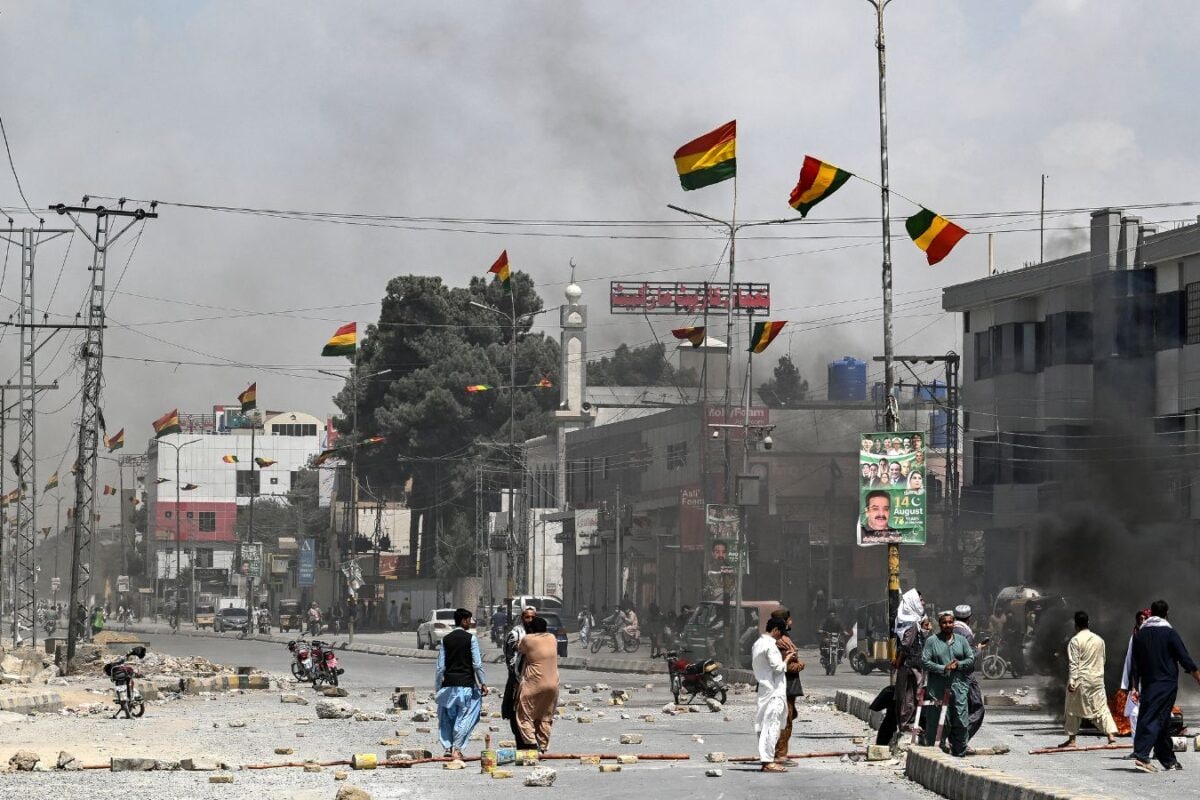
Balochistan Was Independent In 1947: How Pakistan Illegally Seized The Territory Written By, Last Updated: July 17, 2026, 19:12 IST Balochistan’s 1947 independence claim remains disputed. Here's how Kalat’s accession to Pakistan in 1948 shaped the region’s decades-long conflict. After Pakistan’s creation, negotiations began between Islamabad and Kalat over the future of the princely state. (Photo: AFP file) Balochistan has once again emerged as a major security flashpoint after a series of militant attacks in Pakistan’s southwestern province triggered a large-scale security operation by Pakistani forces. The unrest intensified after a statement circulated online in the name of the “Republic of Balochistan" claimed that separatist groups had established a parallel administration, controlling large parts of the region and adopting symbols of statehood, including a flag and governance structure. The claims have not been independently verified. The latest developments have revived a decades-old debate over Balochistan’s political history, particularly the events surrounding the accession of the princely state of Kalat to Pakistan in 1948. While Pakistan maintains that Kalat’s ruler signed the Instrument of Accession voluntarily, Baloch nationalist groups argue that the merger was carried out under military pressure and against the wishes of local political representatives. Balochistan Before Pakistan: The Kalat Question Before Partition in 1947, the region that is today Pakistan’s Balochistan province had a complex political structure. It included areas directly administered by the British, known as British Balochistan, along with several princely states collectively known as the Balochistan States Union.
The most prominent of these was the princely state of Kalat, ruled by Khan Mir Ahmed Yar Khan. Unlike provinces directly under British rule, princely states were given the option of joining either India or Pakistan or, in some interpretations of the period, seeking a separate arrangement after British withdrawal. Also Read | Balochistan ‘Declares Independence’ From Pakistan: What It Means And Why China Is Watching Closely Kalat’s Declaration of Independence On August 11, 1947, an agreement involving the British government, Pakistan’s leadership and the Khan of Kalat recognised Kalat’s special status, according to historical accounts cited by Baloch nationalists. Following the end of British rule, Kalat declared independence on August 15, 1947. The Khan later attempted to maintain Kalat as a sovereign entity, establishing a parliamentary system with two legislative bodies — the Dar-ul-Amra (House of Lords) and Dar-ul-Awam (House of Commons). The Accession Dispute After Pakistan’s creation, negotiations began between Islamabad and Kalat over the future of the princely state. According to Baloch nationalist accounts, Kalat’s parliament rejected the proposal to merge with Pakistan and argued that the region had its own distinct historical and cultural identity. Pakistan’s position, however, is that Kalat was a princely state whose ruler had the authority to decide accession, and that the final merger took place through a legally valid agreement. Balochistan Could Have Been Part Of India Facing increasing diplomatic pressure and the possibility of military action by Pakistan, the Khan of Kalat turned towards India in early 1948 in an attempt to secure the future of his state.
 The BriefWire