After 'Losing' Balochistan, Pakistan Plans To Grant Fifth Province Status To Gilgit-Baltistan
After 'Losing' Balochistan, Pakistan Plans To Grant Fifth Province Status To Gilgit-Baltistan Published By, Last Updated: July 17, 2026, 17:32 IST If approved by Pakistan's
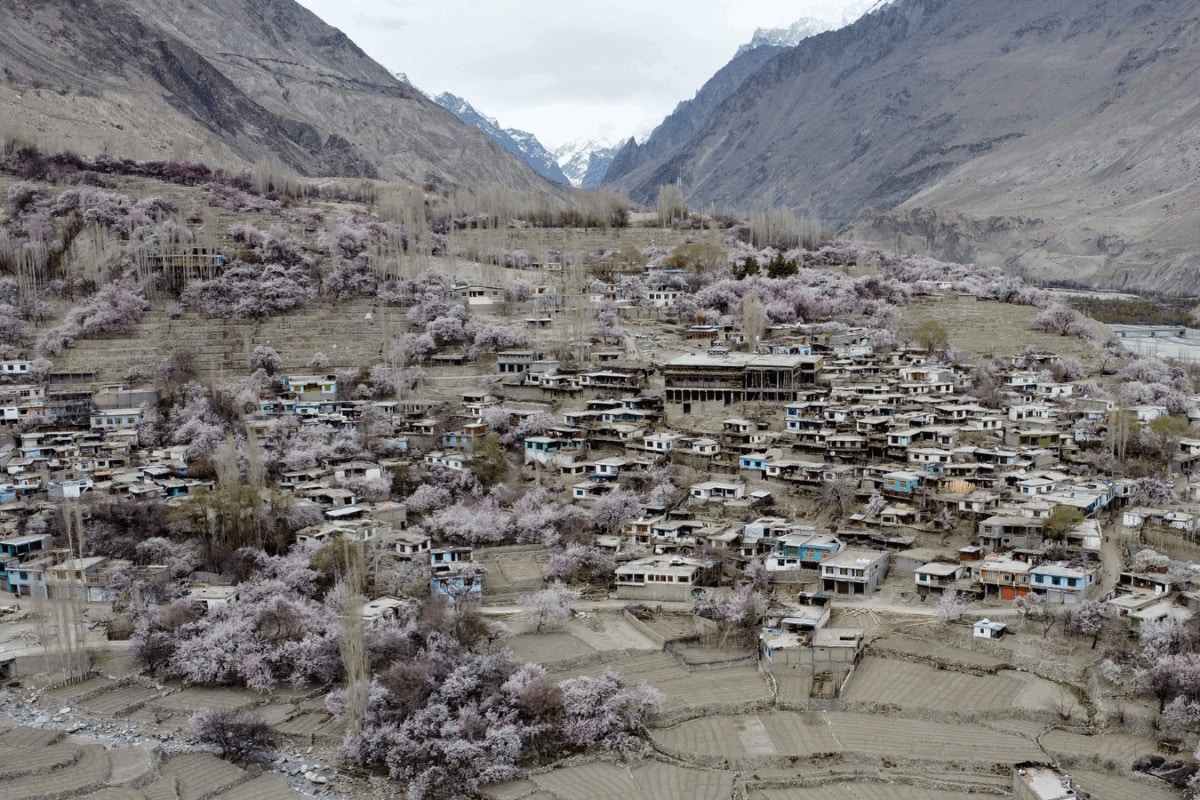
After 'Losing' Balochistan, Pakistan Plans To Grant Fifth Province Status To Gilgit-Baltistan Published By, Last Updated: July 17, 2026, 17:32 IST If approved by Pakistan's Parliament, the move will add a new dimension to the long-standing dispute over Jammu and Kashmir. Visuals from snow-capped mountains at Ghanche district in Gilgit-Baltistan region on March 30, 2026. (AFP photo) Amid intensifying protests in Pakistan-occupied Kashmir (PoK) and a viral letter claiming that Balochistan has “declared its independence", Pakistan is eyeing formally to declare Gilgit-Baltistan, which falls under the disputed territory, as its fifth province after the region’s Legislative Assembly unanimously passed a resolution seeking constitutional recognition. The resolution urges the federal government to revise the Constitution, confer full provincial status on Gilgit-Baltistan, and ensure its representation in Pakistan’s Assembly and Senate. “The people of Gilgit-Baltistan shall be accorded the same constitutional, political, and democratic rights as enjoyed by the citizens of other provinces of Pakistan, including representation in the Assembly, Senate, and other federal constitutional institutions. Appropriate constitutional safeguards shall be incorporated to ensure that the provisional provincial status remains subject to any future settlement of the Jammu and Kashmir dispute in accordance with the wishes of the people concerned and Pakistan’s international obligations," the resolution said.
Internal Crisis In Pakistan This comes amid a host of domestic challenges that Pakistan is facing, including a worsening security situation in Balochistan and a surge in militant attacks in Khyber Pakhtunkhwa. Critics have accused the government of attempting to divert public attention from these internal crises by reviving the long-pending proposal. Pakistan currently comprises four provinces, namely Punjab, Sindh, Balochistan and Khyber Pakhtunkhwa. Gilgit-Baltistan, meanwhile, continues to be governed under a limited self-rule framework and does not enjoy the same constitutional status as the country’s provinces. Why Is Gilgit-Baltistan Seeking Provincial Status? The move comes just weeks after the June 7 elections to the Gilgit-Baltistan Assembly, which were overshadowed by allegations of electoral irregularities. Bilawal Bhutto Zardari’s Pakistan Peoples Party (PPP) emerged as the largest party and formed a coalition government with Prime Minister Shehbaz Sharif’s Pakistan Muslim League-Nawaz (PML-N). Under the power-sharing deal, the PPP secured the posts of Chief Minister and Assembly speaker, while the PML-N was allotted the governor and deputy speaker positions. Soon after taking office, the coalition government passed the resolution seeking provincial status for Gilgit-Baltistan and forwarded it to Pakistan’s Parliament.
 The BriefWire