Iran's oil supply threat extends beyond Strait of Hormuz
Oil and gas producers in the Gulf are seeking alternatives to the Strait of Hormuz as traffic again comes under fire. But is Iran also
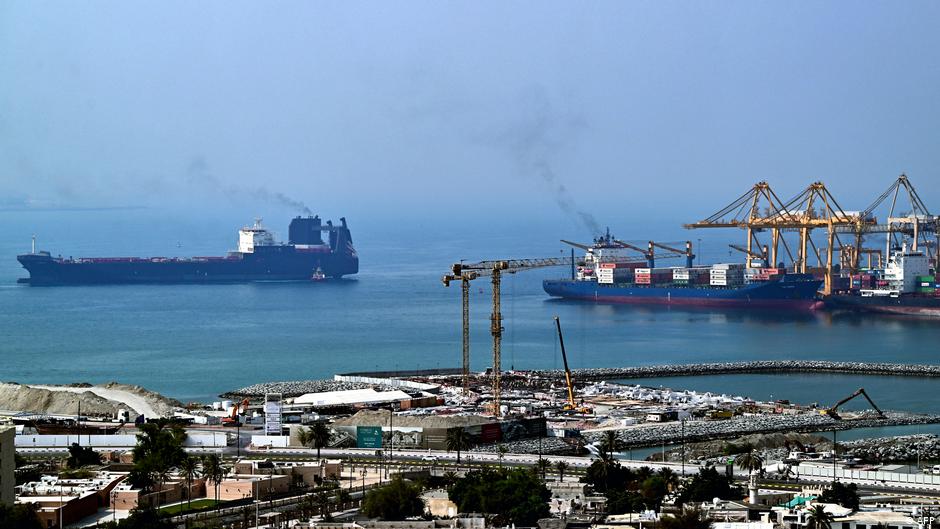
Oil and gas producers in the Gulf are seeking alternatives to the Strait of Hormuz as traffic again comes under fire. But is Iran also turning its attention to the pipelines meant to bypass the waterway? Oil and gas exports from the Gulf face renewed disruption as fighting between the US and Iran intensifies. For both countries control of the Strait of Hormuz is key. Over the past months, Iran has shown that it can control or at least disrupt the strait, says Guntram Wolff, a senior fellow at Bruegel, a think tank, and a professor of economics at the Free University in Brussels. "Several months of bombing campaigns have not undone Iran's ability to control the Strait of Hormuz," said Wolff, leaving the US with the challenge of trying to get the upper hand. This week, traffic in the strait has again nearly stopped as Iran attacked tankers and fired drones and missiles at military facilities in Bahrain, Kuwait and Jordan. The US launched more strikes on Iran and restarted a naval blockade of its ports. It also revoked a sanctions waiver that let Iran openly sell its oil, which brought in much-needed money. Pre-war oil and gas flows through Hormuz Before the war started on February 28, the Strait of Hormuz was a toll-free international waterway and was the gateway for around 20% of global liquefied natural gas (LNG), according to the International Energy Agency.
Additionally, around 20% of the world's oil was transported out of the Persian Gulf via the waterway to the Arabian Sea and beyond. The lion's share went to Asia. For the past few years, that has meant an average of around 20 million barrels a day, according to the US Energy Information Administration. Flows through the Strait of Hormuz fell to about 14.6 million barrels a day in the first quarter and have declined sharply since the conflict escalated. Before the war, an average of around 20 million barrels of oil passed through the Strait of Hormuz each day Image: REUTERS A preliminary US-Iran ceasefire deal signed on June 17 brought some relief for shipping but is no longer in force. In the past weeks, US forces have hit hundreds of Iranian military targets. Analysts warn that further attacks on Iran could prompt retaliation against Gulf oil and gas infrastructure, including refineries, ports and pipelines, making the war costly for the whole region and cause oil shortages. "The limited progress achieved following the June ceasefire has now effectively unraveled," warned Greek maritime risk-management firm MARISKS after the escalation in the region. "The likelihood of further escalation remains very high." The importance of oil and gas pipelines Early in the war there were reports that Iran was charging $2 million (€1.7 million) per ship to use the waterway. Recently, they have demanded that ships use a northern route through Iranian waters.
 The BriefWire