Meet the Black Mambas: In one of South Africa's regions hardest hit by poaching, 36 unarmed women patrol the frontline and protect endangered rhinos
Meet the Black Mambas protecting South Africa 's endangered rhinos They patrol the wilderness without carrying guns Searching for deadly snares is part of their
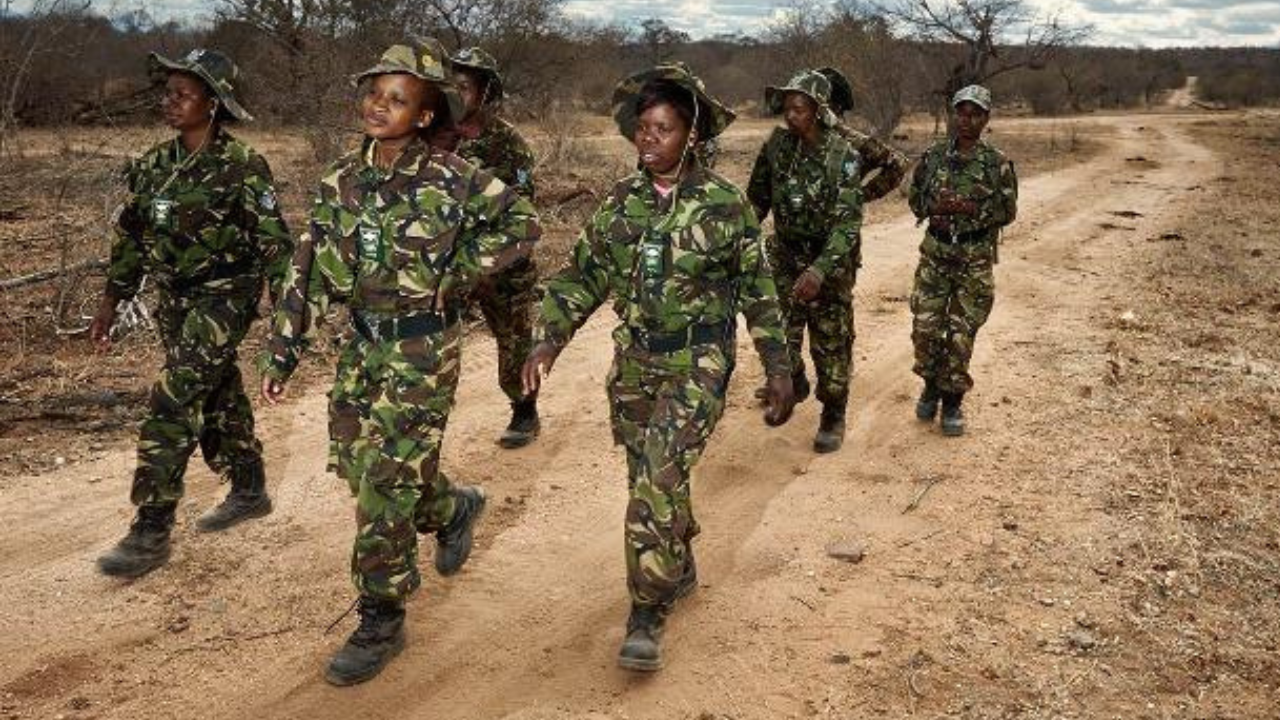
Meet the Black Mambas protecting South Africa 's endangered rhinos They patrol the wilderness without carrying guns Searching for deadly snares is part of their daily mission Why South Africa's rhinos remain under threat Their presence is designed to stop poaching before it happens Conservation also begins outside the reserve Teaching children could help protect the next generation of rhinos The Black Mambas have changed the image of the anti-poaching ranger Across South Africa's Greater Kruger landscape, a pioneering group of women is challenging conventional ideas about how endangered wildlife should be protected. Known as the Black Mambas, these unarmed female rangers patrol the bush looking for snares, damaged fences, footprints and other signs of illegal activity. Rather than confronting suspected poachers with guns, their approach focuses on prevention, surveillance and early detection, helping protect rhinos and other vulnerable animals before they are targeted. Recruited largely from communities surrounding protected areas, the women have also become conservation ambassadors, showing how protecting wildlife can go hand in hand with creating opportunities and strengthening local support for conservation.The Black Mamba Anti-Poaching Unit was established in 2013 by Transfrontier Africa amid growing concern over wildlife crime and rhino poaching in South Africa. The initiative recruited women from communities surrounding protected areas and trained them to become frontline conservation rangers.The unit operates in the Greater Kruger landscape, including areas associated with Balule Nature Reserve. This vast ecosystem is home to some of Africa's most iconic wildlife, including black and white rhinos, elephants, lions and leopards.Although the unit's size has changed over the years and different sources have reported different numbers of rangers, accounts have described dozens of women serving with the Black Mambas.
Their presence has helped bring international attention to a different model of wildlife protection.One of the most remarkable aspects of the Black Mambas is that their regular patrols are conducted without firearms.Instead of operating primarily as an armed response force, the rangers concentrate on preventing poaching by maintaining a visible presence across the landscape. They walk long distances through the bush, inspect fences and look for evidence that people may have entered protected areas illegally.The women are trained to recognise footprints and other signs of suspicious activity. If they discover a serious threat requiring an armed response, specialised security teams or law enforcement personnel can be called to intervene.Their role is therefore often about detecting danger early, before poachers have an opportunity to reach their targets.Rhinos are not the only animals threatened by illegal hunting. Wire snares placed throughout the bush can trap and kill wildlife indiscriminately.These simple devices are often difficult to spot and can remain hidden along animal trails. Antelopes and other animals can become caught in them, sometimes suffering severe injuries or dying before anyone discovers them.Black Mamba patrols therefore involve searching for and removing snares before they can cause further harm. Rangers also look for illegal camps and other evidence of unauthorised activity.This work means the unit contributes to protecting the wider ecosystem rather than focusing exclusively on rhinos.South Africa is one of the world's most important strongholds for rhinos, but its animals have faced sustained pressure from poaching.Rhinos are primarily targeted for their horns, which are trafficked through international criminal networks and sold illegally in overseas markets. The enormous value placed on rhino horn has fuelled organised wildlife crime and made protecting the animals an ongoing challenge.Black rhinos are particularly vulnerable.
 The BriefWire