Fast-Forward From Father To Son: How Sonam Wangchuk's Protest Mirrors Sonam Wangyal's Hunger Strikes
Fast-Forward From Father To Son: How Sonam Wangchuk's Protest Mirrors Sonam Wangyal's Hunger Strikes Written By, Last Updated: July 17, 2026, 17:16 IST The pressure
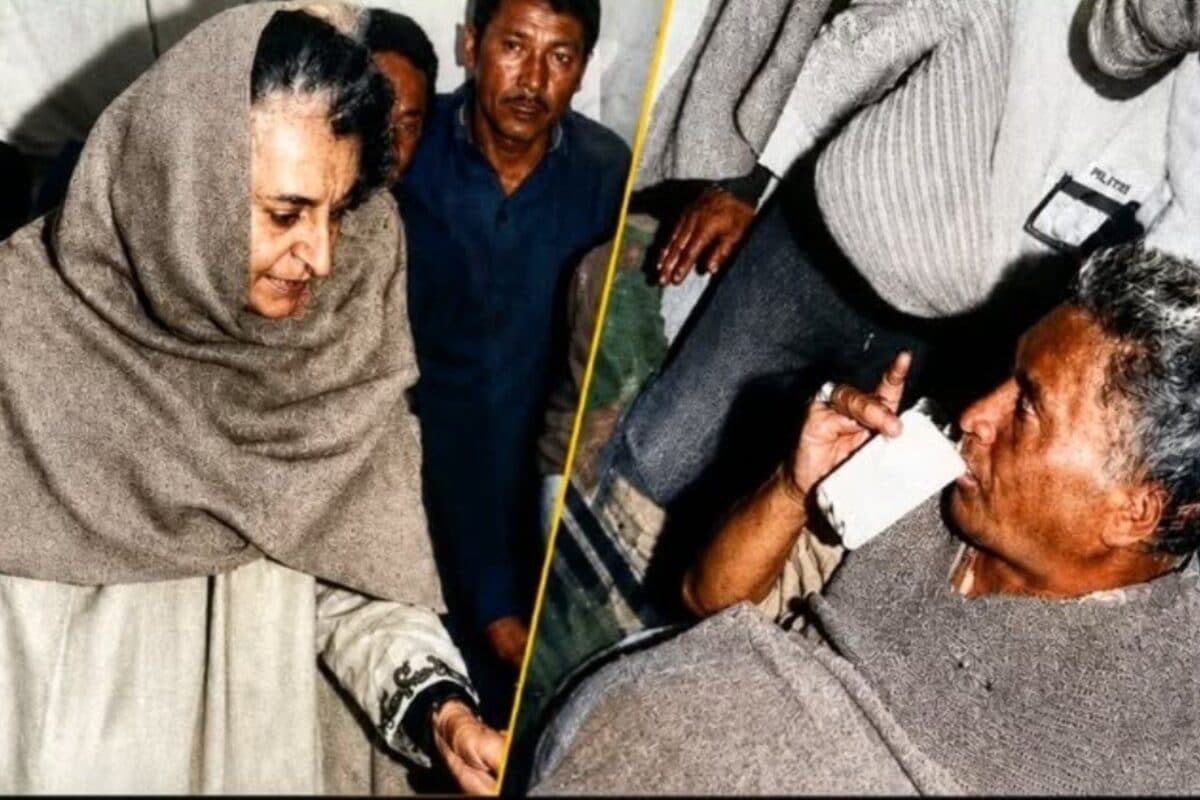
Fast-Forward From Father To Son: How Sonam Wangchuk's Protest Mirrors Sonam Wangyal's Hunger Strikes Written By, Last Updated: July 17, 2026, 17:16 IST The pressure of Wangyal's January 1984 fast led to the then Prime Minister Indira Gandhi making an extraordinary, direct journey to Leh for meeting him Standing by his bedside, Indira Gandhi offered Sonam Wangyal a glass of juice to formally break his fast. During this encounter, Gandhi assured him that her administration would address the socio-political anxieties of the Ladakhi people and look into their demands for tribal status. Image/X At Delhi’s Jantar Mantar, the Cockroach Janta Party (CJP)—formed in response to controversial public remarks comparing unemployed youths to pests—has spent nearly a month protesting over alleged competitive examination irregularities and paper leaks. At the centre of this demonstration is educator and climate activist Sonam Wangchuk, who is entering the third week of an indefinite hunger strike in solidarity with the student-led movement. This high-stakes demonstration is not an isolated political strategy; rather, it is the continuation of a profound family legacy. Forty years ago, Sonam Wangchuk’s father, the late Ladakhi politician Sonam Wangyal, wielded the very same weapon of the hunger strike to reshape the political landscape of his homeland. The Legacy of Sonam Wangyal: Fasts for Ladakh’s Identity In the early 1980s, Ladakh—then a remote district within the state of Jammu and Kashmir—grappled with a profound sense of political and developmental marginalisation.
The local population felt their distinct cultural identity, resource access, and land rights were ignored by far-off administrations. Sonam Wangyal, a towering political figure in the region, recognised that securing Scheduled Tribe (ST) status under the Indian Constitution was a critical step to guarantee long-term protections for the indigenous population. To force the central government to take notice of this frontier struggle, he undertook two high-stakes hunger strikes The 1982 Fast: Wangyal initiated a gruelling 16-day hunger strike, pushing his physical health to extreme limits to demonstrate the urgency of the tribal status demand. The 1984 Fast: In January 1984, he launched a pivotal 5-day fast in Leh, a move that successfully escalated the local movement into a matter of national priority. Indira Gandhi’s Historic Visit to Leh The pressure of the January 1984 fast eventually reached the highest office in the country. Recognising the strategic sensitivity of the border region and the moral weight of the protest, the then Prime Minister of India, Indira Gandhi, made an extraordinary, direct journey to the high-altitude town of Leh. In a powerful moment of political reconciliation, Prime Minister Gandhi personally visited the ailing Ladakhi leader. Standing by his bedside, she offered Sonam Wangyal a glass of juice to formally break his fast. During this encounter, Gandhi assured him that her administration would address the socio-political anxieties of the Ladakhi people and look into their demands for tribal status.
 The BriefWire