Five Gulf Sites Iran Could Target To Inflict Maximum Costs On The US
Five Gulf Sites Iran Could Target To Inflict Maximum Costs On The US Published By, Last Updated: July 17, 2026, 16:16 IST Iran reportedly eyes
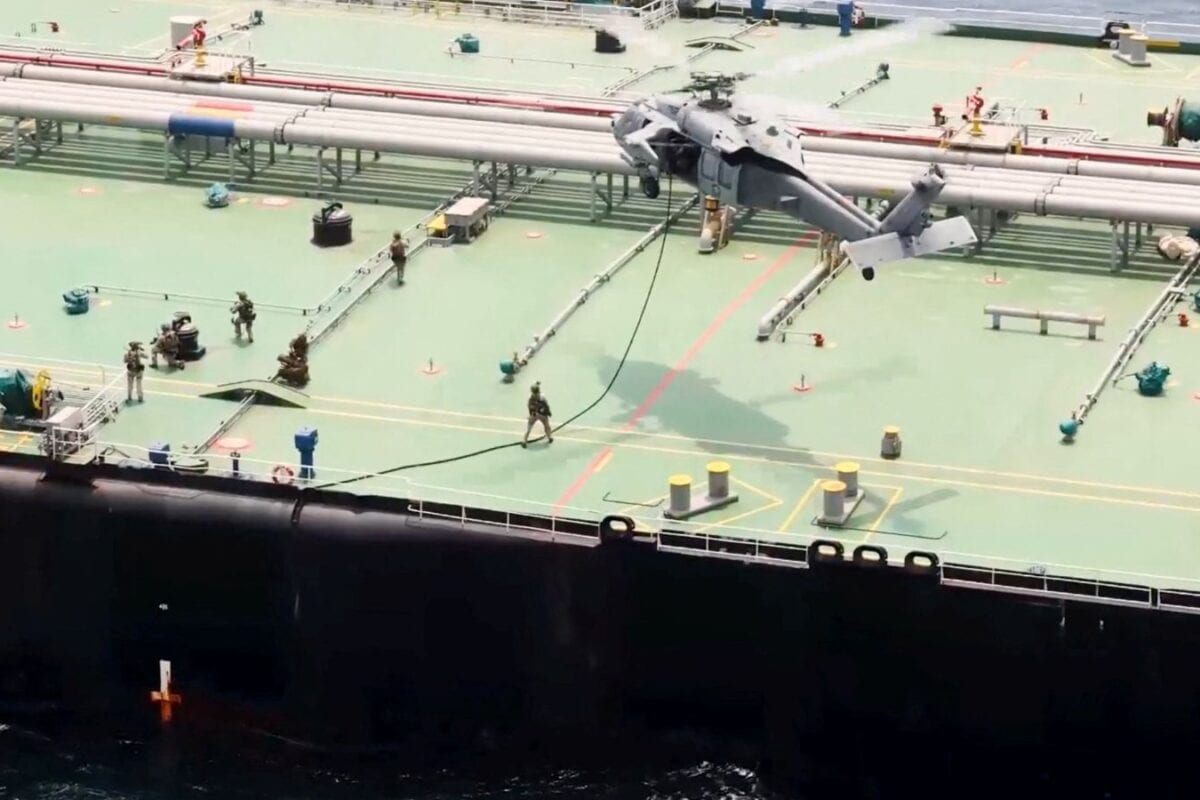
Five Gulf Sites Iran Could Target To Inflict Maximum Costs On The US Published By, Last Updated: July 17, 2026, 16:16 IST Iran reportedly eyes key Gulf sites tied to U.S. presence and global oil trade after a Chabahar strike, raising risks to energy flows, regional stability, and allied economies. Rapid Read There are five sites in the Gulf region which Iran could be eyeing to inflict high costs on US after attacks on Chabahar. (Image source: Reuters) Iran’s elite revolutionary guards has drawn up a plan to hit five key US military and commercial targets in the Gulf region, Fars News Agency, linked with the IRGC reported. The plan comes in response to the Americans’ attack on their southeastern port city, Chabahar. These five sites are spread across different nations of West Asia – United Arab Emirates (UAE), Bahrain, Kuwait, Qatar, and Saudi Arabia. All five nations are considered close allies of the US in the region. All these nations also happen to be petrostates, a term used for nation-states that have a semi-official arrangement with the United States through which they make all their oil trade Dollar-denominated in exchange for security guarantees from Washington D.C. Attack on their territory risks worsening the already sensitive oil-market situation. What Sites Are Tehran’s Hit List? According to the Fars News Agency report, UAE’s Jebel Ali Port, Bahrain’s Naval Support Activity at Mina Salman, Kuwait’s Shuaiba Port and Camp Arifjan, Qatar’s Hamad Port, and Saudi Arabia’s King Fahd Industrial Port in Yanbu city could be the likely targets.
Emirati Jebel Ali Port is the most frequently visited foreign port by the US Navy, according to Wikipedia. It also hosts aircraft carriers and large naval groups of the Americans. Naval Support Activity Bahrain at Mina Salman headquarters of the U.S. Fifth Fleet, which oversees naval operations across the Gulf, Red Sea, and Arabian Sea. It is a permanent U.S. naval base with thousands of personnel. Camp Arifjan serves as the forward headquarters of the US Army’s Central and Ali Al Salem Air Base. It is around 40km from the Iraqi border and is unofficially called “The Rock" due to its isolated, rugged environment. The base was established here during the Second Gulf War (2003) and is staging post for army units. Hamad Port is one of the newest and largest ports in the Gulf, built in the aftermath of the 2017 blockade of Qatar led by the Saudis who accused them of supporting terrorists and having close ties to Iran. Today, Qatar is one of the primary targets for Iran, due in part because of Doha’s ties with the US. The Hamad port was built to enhance Qatar’s economic resilience in events such as the one it finds itself in today with the closing of the Strait of Hormuz. The port remains central to Doha’s economic independence and supply chain resilience. Last but not the least, the King Fahd Industrial Port provides Saudi Arabia with an alternative export route if Gulf shipping is disrupted.
 The BriefWire