New Bundesliga broadcasting deal in the US: Reach over money
The Bundesliga has a new home on American screens after Germany's top football league left ESPN. The new deal is a sign of the times
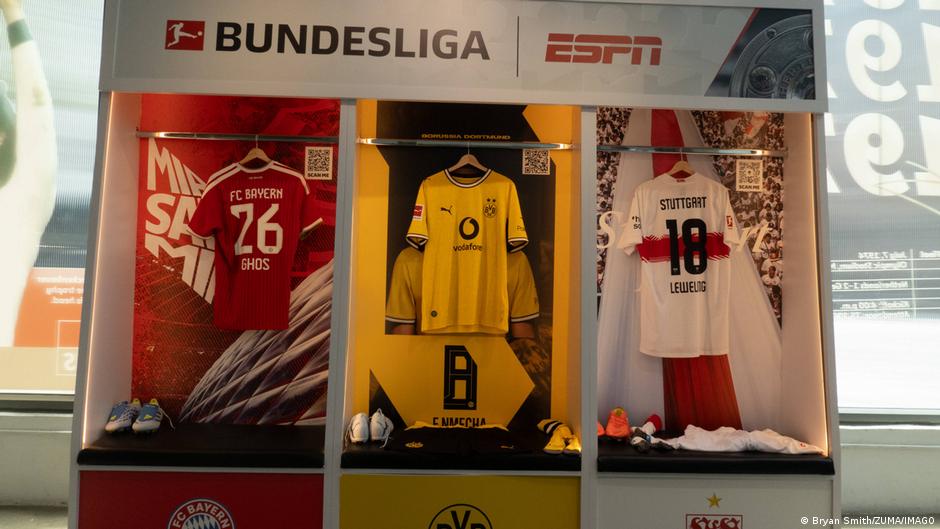
The Bundesliga has a new home on American screens after Germany's top football league left ESPN. The new deal is a sign of the times. After six years of being on ESPN, the Bundesliga has a new home in the United States of America. A combination of USA Network and Fandango has reportedly struck a deal through the 2030-31 season to be the English-language broadcaster of Germany's top flight in the USA. The deal is reportedly worth $20 million (€17.4 million) per year, which is noticeably less than the $34 million per year paid by ESPN. USA and Fandango are part of Versant, a media company in the country that is trying to develop itself as a home for broadcasting rights below the top leagues of the NFL and NBA. Fandango is predominately an app to buy movie tickets, but Versant is looking to diversify its offering by including live sports. All 300-plus Bundesliga games will air on either channel, with USA requiring a subscription and Fandango being free and ad-supported. The reaction from US-based Bundesliga fans on social media was mostly negative. "This will only make the Bundesliga even more obscure," posted @skierpro on X. "Any momentum the league had in the US and growing viership will be destroyed. The folks in Germany signing this agreement have no idea about the US it seems.
They just shot themselves in the foot with this deal." "This is bad. The simplicity of having every game on ESPN that already has a lot of other sports was perfect. Fandango, a company with nearly no sports streaming experience, may be free, but the games on USA will require an expensive YT TV, Fubo or similar package," posted Corbin Williams on X. "SAD! USA is OK but Fandango is not a popular streaming app. ESPN was easily accessible. Games on Fandango is going to be like going to the bike shop to buy a BMW," wrote Eric Smith on social media. New Bundesliga deal in the US a case of less money, but more reach Some believe the drop in financial return is a sign of the times for the Bundesliga. Others see it as an opportunity. "From the outside, the new agreement appears to deliver less media-rights income per season but broader distribution, greater discoverability, and a better chance of reaching viewers beyond the Bundesliga's existing fan base. In essence, the reported financial return appears lower, but the potential reach is greater," Dominik Schreyer, a professor of sports economics at Germany's Otto Beisheim School of Management, told DW. While Schreyer admits that the reported fee being less than the previous deal is disappointing from a business perspective, it is also important to consider its context.
 The BriefWire