A campaign eliminated billions of sparrows to protect crops in 1958; the birds' disappearance accidentally triggered one of history's most devastating locust plagues
Why China declared war on sparrows in 1958 The ecological mistake that allowed pests to multiply China's farms were already facing a much larger crisis
Why China declared war on sparrows in 1958 The ecological mistake that allowed pests to multiply China's farms were already facing a much larger crisis The Great Chinese Famine followed China eventually reversed the campaign against sparrows A lasting lesson about interfering with ecosystems A campaign intended to protect China's food supply became one of history's starkest examples of ecological miscalculation. In 1958, Mao Zedong's government targeted sparrows under the nationwide Four Pests Campaign because the birds were believed to consume valuable grain. Millions of citizens were mobilised to destroy nests, break eggs and drive the birds from the skies. The strategy overlooked a crucial part of the food chain: sparrows also consumed insects that damaged crops. As bird populations plummeted, agricultural pests faced fewer natural predators, contributing to worsening infestations and adding further pressure to China's struggling farms during the catastrophic Great Leap Forward.The campaign emerged during the Great Leap Forward, Mao's ambitious programme to rapidly transform China's economy and increase agricultural and industrial production. Sparrows were classified alongside rats, flies and mosquitoes as pests that authorities believed should be eliminated.The reasoning appeared straightforward. Sparrows ate grain, so killing them would theoretically leave more food for people.What followed was an extraordinary mass mobilisation involving citizens, workers and students across the country.People destroyed nests and eggs, while crowds used drums, pots and pans to continuously frighten birds.
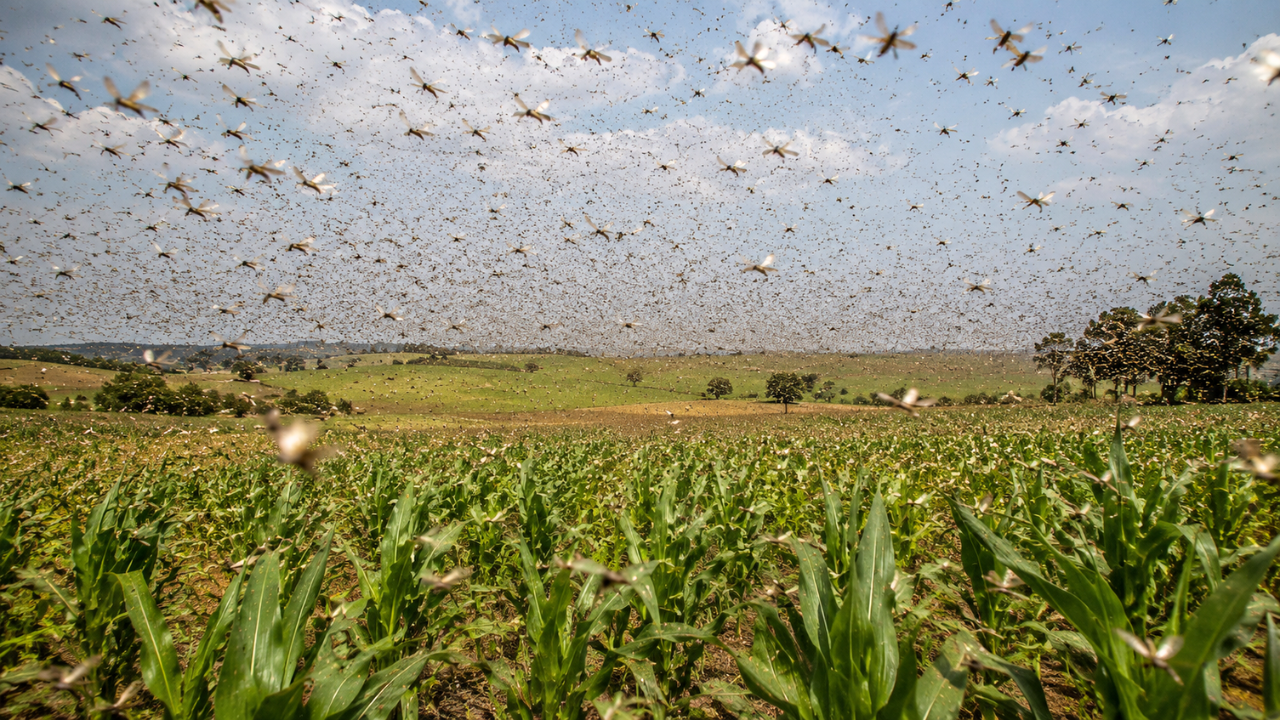
Prevented from landing and resting, some sparrows eventually collapsed from exhaustion. The campaign severely reduced their numbers, although precise estimates of how many were killed remain uncertain.The strategy failed to consider the sparrow's wider place in the food chain. Along with seeds and grain, the birds consume insects, particularly when feeding their young.With fewer sparrows hunting them, crop-eating insects faced less natural predation. Historical accounts associate the decline in bird populations with worsening outbreaks of agricultural pests, including locusts, which placed additional pressure on already vulnerable farmland.The episode demonstrated a basic ecological principle: removing one species can produce unexpected consequences elsewhere in an ecosystem. A bird viewed primarily as a competitor for food had also been providing a natural form of pest control.It is important, however, not to overstate the connection. Although sparrow eradication is widely cited as contributing to increased pest problems, evidence does not establish that it alone caused a single record-breaking locust plague.The environmental disruption occurred during one of the most turbulent periods in modern Chinese history. The Great Leap Forward introduced sweeping changes to agriculture and rural life, including widespread collectivisation and the diversion of labour towards industrial projects.Agricultural production was further affected by unrealistic targets and inaccurate reporting. Local officials facing political pressure sometimes exaggerated harvest figures, creating a distorted picture of how much food was actually available.State grain procurement continued even as shortages became increasingly severe in some regions.
 The BriefWire