70 Kg Silver Offered, Only 3 Kg Found To Be Real: Inside Vaishno Devi's Rs 500 Crore Donation Row
70 Kg Silver Offered, Only 3 Kg Found To Be Real: Inside Vaishno Devi's Rs 500 Crore Donation Row Published By, Last Updated: July 17
70 Kg Silver Offered, Only 3 Kg Found To Be Real: Inside Vaishno Devi's Rs 500 Crore Donation Row Published By, Last Updated: July 17, 2026, 14:51 IST Tests on the melted batch from Vaishno Devi showed that much of what was recorded and handled as “silver” was in fact adulterated or non-silver material Rapid Read Pilgrims traditionally offer silver chhatars (canopies), coins, ornaments and other articles at the shrine in the Trikuta Hills near Katra One of India’s wealthiest and most visited religious institutions has found itself at the centre of a controversy over devotees’ offerings. The Shri Mata Vaishno Devi Shrine Board (SMVDSB) has initiated a review of its system for managing offerings after allegations surfaced that nearly Rs 500 crore worth of silver donated by devotees over the years was either unaccounted for or replaced with low-purity metal. The matter, currently under judicial scrutiny, has raised broader questions about transparency and accountability in the management of offerings at major religious institutions. The issue surfaced after reports that the Shri Mata Vaishno Devi Shrine Board (SMVDSB) sent around 20 tonnes of accumulated silver offerings, collected over about 5-6 years, to a government mint outside Jammu & Kashmir for testing, melting and processing. When the material was assayed for purity, only 5-6 per cent was found to be actual silver, while the rest reportedly consisted of cadmium, iron and other cheaper metals. Had the metal been pure silver, it could have been worth nearly Rs 550 crore at prevailing market rates; instead, the realisable value is a small fraction of that.
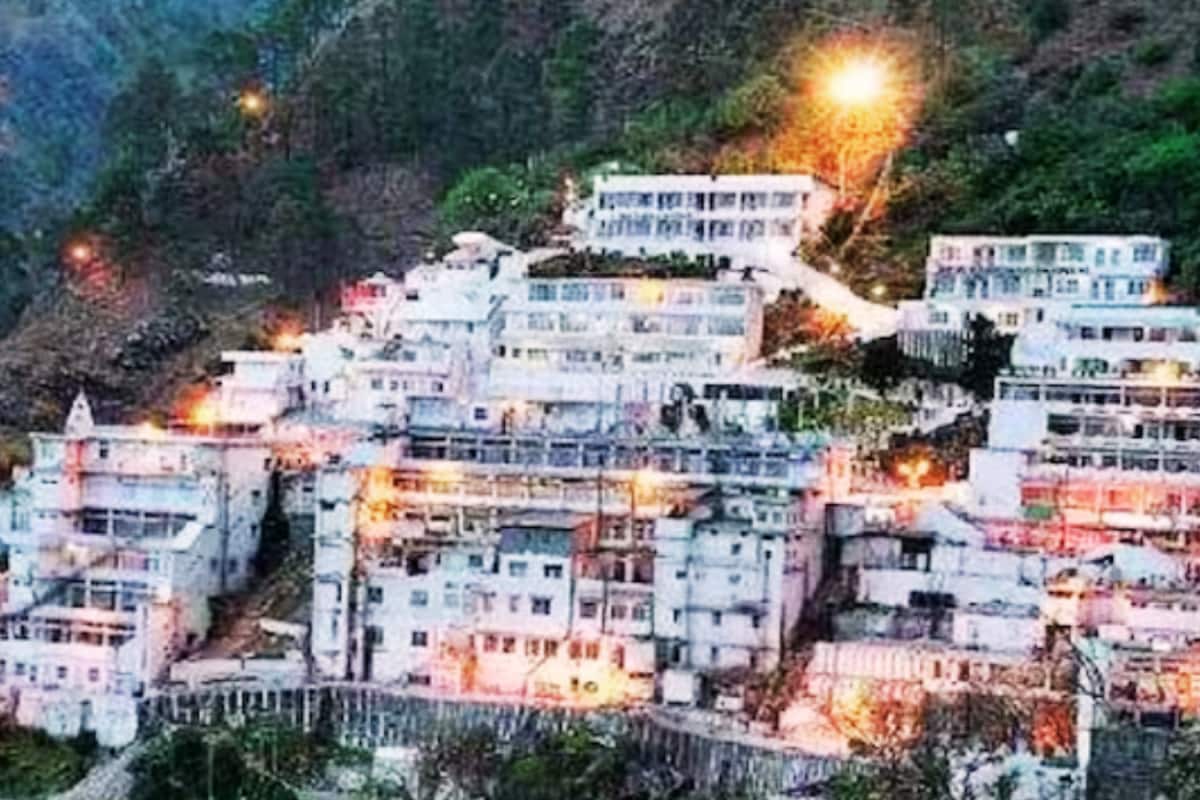
One figure cited in a Times Of India said that about 70 kg of offerings yielded only 3 kg of real silver. What Devotees Offered, And What Was Found Pilgrims traditionally offer silver chhatars (canopies), coins, ornaments and other articles at the shrine in the Trikuta Hills near Katra. These items are collected, stored under security, and periodically sent for refining so the recovered metal can be monetised or used as per Shrine Board norms. However, tests on the melted batch showed that much of what was recorded and handled as “silver" was in fact adulterated or non-silver material. Cadmium, a key impurity flagged in reports, is highly toxic and classified as a carcinogen, raising not just financial but also health and safety concerns for workers handling the offerings. Vaishno Devi Donations: The Legal Angle On May 9, 2026, advocate Deepak Sharma filed a complaint with the J&K Police Crime Branch, alleging serious offences including criminal conspiracy, cheating, criminal breach of trust, misappropriation, manipulation of records, and possible use of cadmium-laden material in offerings. The complainant sought an investigation into whether devotees were sold fake or adulterated silver articles by vendors and jewellers before offering them at the shrine, or whether genuine silver offerings were substituted, diluted, pilfered or misappropriated after receipt by the Shrine Board. Following this, a Jammu court directed an inquiry officer of the Crime Branch to appear in person with all records related to the alleged Rs 500-crore misappropriation and the “fake silver" issue. The matter has been listed for further hearing on July 29, 2026.
 The BriefWire