With new Iran threats, Trump may repeat mistakes
Live Events as a Reliable and Trusted News Source Addas a Reliable and Trusted News Source Add Now! (You can now subscribe to our (You
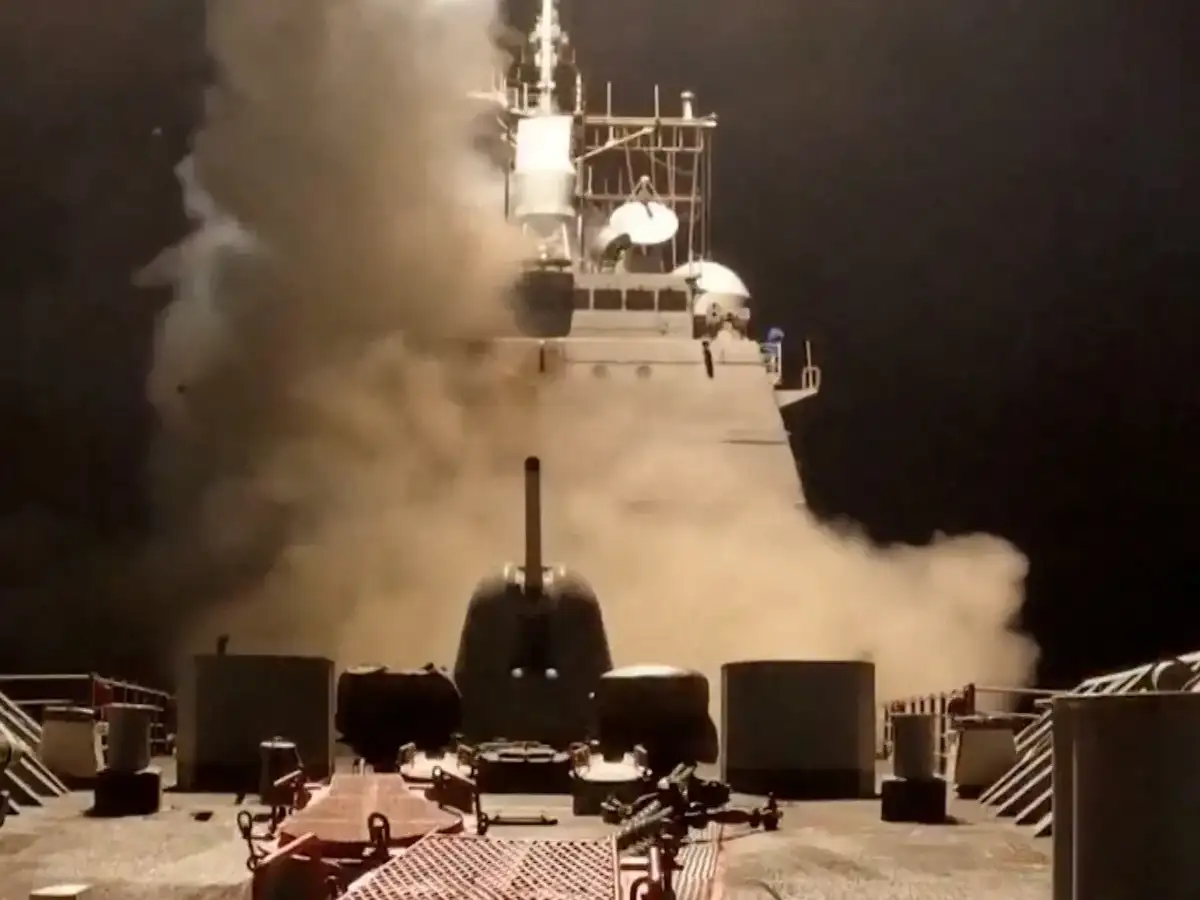
Live Events as a Reliable and Trusted News Source Addas a Reliable and Trusted News Source Add Now! (You can now subscribe to our (You can now subscribe to our Economic Times WhatsApp channel Washington: President Donald Trump has ramped up U.S. air strikes on Iran and threatened broader escalation, but there is little sign that a military strategy that has already failed to extract concessions from Tehran will succeed this time.With the collapse of an interim ceasefire deal reached a month ago, Trump - unable to disentangle the U.S. from the unpopular war he started - finds himself in a bind as he seeks to break Iran's grip on the vital Strait of Hormuz and bend a defiant Tehran to his will.While the two sides have so far avoided a return to full-scale conflict, increasingly ominous developments have dimmed hopes of finding an off-ramp anytime soon in a crisis that has again driven up global oil prices and sent shockwaves through financial markets.A wave of tit-for-tat attacks continued into a sixth day on Thursday while Iran signaled it could prod its Houthi allies in Yemen to close another key oil-shipping strait -- the Bab al-Mandeb at the mouth of the Red Sea - if Washington hits Iran's power infrastructure as Trump has threatened.Signaling increased frustration, Trump has discussed with aides, and in some cases spoken publicly, about possibly expanding targets to include strikes on energy plants and bridges, sending ground forces to seize Iran's Kharg Island oil hub and bombing a deep-underground nuclear-linked site known as Pickaxe Mountain.Some of these options may be unrealistic due to the high risks and potential for domestic and geopolitical blowback.
He has issued similar threats before only to back down.But most analysts agree that a major U.S. escalation - short of a highly dangerous and politically untenable ground invasion to oust Iran's government - would have little chance of being any more effective in forcing Iran to change course than earlier phases of the nearly 4-1/2-month-old war in which U.S. and Israeli strikes killed senior leaders and heavily damaged military capabilities."There's no reason to believe that this latest set of attacks or whatever the president has in mind will compel the Iranians to change their thinking," said Jonathan Panikoff, a former deputy U.S. intelligence officer for the Middle East now at the Atlantic Council think tank. "It's perhaps more likely to harden their position."The White House did not immediately respond to a request for comment.The unraveling of the deal comes as Trump faces pressure to end a war that has killed thousands, mostly in Iran and Lebanon, inflicted economic pain at home and driven down his approval ratings months ahead of November's midterm elections.Negotiations meant to turn the interim accord into a permanent peace deal have stalled, though there have been hints of possible diplomatic movement behind the scenes. Trump welcomed what he described as the release of a U.S. citizen detained in Iran, calling it a goodwill gesture. But Iran's judiciary said no prisoner had been freed or exchanged, according to state media.Trump may be hoping he can bomb Iran back to the negotiating table over its nuclear program, which he set as his main war objective.
 The BriefWire