Pakistan Took India To Arbitration Over Indus Waters Treaty. Now, It's Paying India's Bill Too
Pakistan Took India To Arbitration Over Indus Waters Treaty. Now, It's Paying India's Bill Too Written By, Last Updated: July 17, 2026, 09:08 IST Under
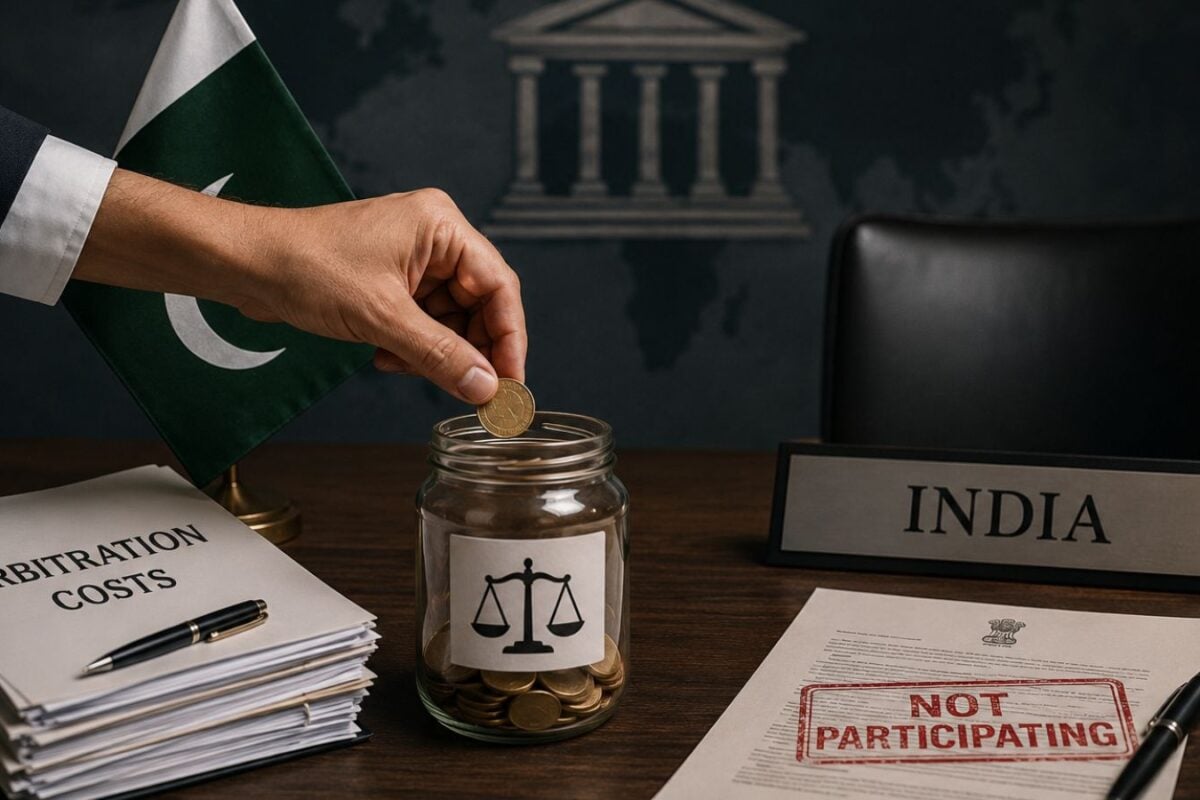
Pakistan Took India To Arbitration Over Indus Waters Treaty. Now, It's Paying India's Bill Too Written By, Last Updated: July 17, 2026, 09:08 IST Under the dispute resolution mechanism of the Indus Waters Treaty, both India and Pakistan are required to share the costs of arbitration proceedings Rapid Read Islamabad has been paying not only its own expenses but also India's share to prevent the proceedings from coming to a halt. Imagine taking a country to international arbitration, and ending up paying its legal costs too. That’s the situation Pakistan now finds itself in. According to an Economic Times report, Islamabad has been bearing not only its own expenses but also India’s share of the arbitration costs in the ongoing Indus Waters Treaty dispute after New Delhi boycotted the proceedings and placed the treaty in abeyance. The report says Pakistan has already spent over $6,00,000 to keep the arbitration process before the Permanent Court of Arbitration (PCA) going, with the costs expected to rise as the dispute drags on. ALSO READ | No Indus Waters Treaty Concessions Or Track II Diplomacy With Pakistan: Govt Sources | Exclusive But why is Pakistan paying India’s bill? Can the arbitration continue even if one country stays away? And what does this mean for the future of the Indus Waters Treaty? Why Is Pakistan Paying India’s Share? Under the dispute resolution mechanism of the Indus Waters Treaty, both India and Pakistan are required to share the costs of arbitration proceedings. However, after the April 2025 Pahalgam terror attack, India suspended its participation in all proceedings related to the treaty, arguing that the agreement would remain in abeyance until Pakistan takes credible and irreversible action against cross-border terrorism.
Despite India’s absence, Pakistan has continued pursuing the arbitration. According to the Economic Times, Islamabad has therefore been paying not only its own expenses but also India’s share to prevent the proceedings from coming to a halt. What Is The Dispute About? The arbitration revolves around India’s Kishanganga and Ratle hydroelectric projects on the western rivers governed by the Indus Waters Treaty. ALSO READ | Pakistan Feared Major Water Crisis After India’s Indus Treaty Move, Floods Saved It | Exclusive Pakistan, alleging that the design of the two projects violates the treaty, has sought arbitration before the Permanent Court of Arbitration. India, however, has consistently argued that such technical disagreements should be examined by a Neutral Expert, not a Court of Arbitration. New Delhi has maintained that running both mechanisms simultaneously goes against the treaty’s dispute resolution framework. Why Is India Boycotting The Proceedings? India’s decision to disengage from the arbitration followed the Pahalgam terror attack, after which New Delhi announced that it was placing the treaty in abeyance. The government has since maintained that it will not resume cooperation under the treaty until Pakistan “credibly and irrevocably" ends support for cross-border terrorism. India has also repeatedly rejected the jurisdiction of the Permanent Court of Arbitration, calling the tribunal “illegally constituted" and asserting that any decisions it delivers are “null and void". Can The Arbitration Continue Without India? Yes. Under international arbitration rules, proceedings can continue even if one party chooses not to participate, provided the tribunal determines that it has jurisdiction over the dispute. The Permanent Court of Arbitration has already ruled that it is competent to hear Pakistan’s case despite India’s objections.
 The BriefWire