India-Linked Cargo Vessels Rank Among Highest For Strait Of Hormuz Transit Requests
India-Linked Cargo Vessels Rank Among Highest For Strait Of Hormuz Transit Requests Published By, Last Updated: July 17, 2026, 08:09 IST India-linked vessels were top
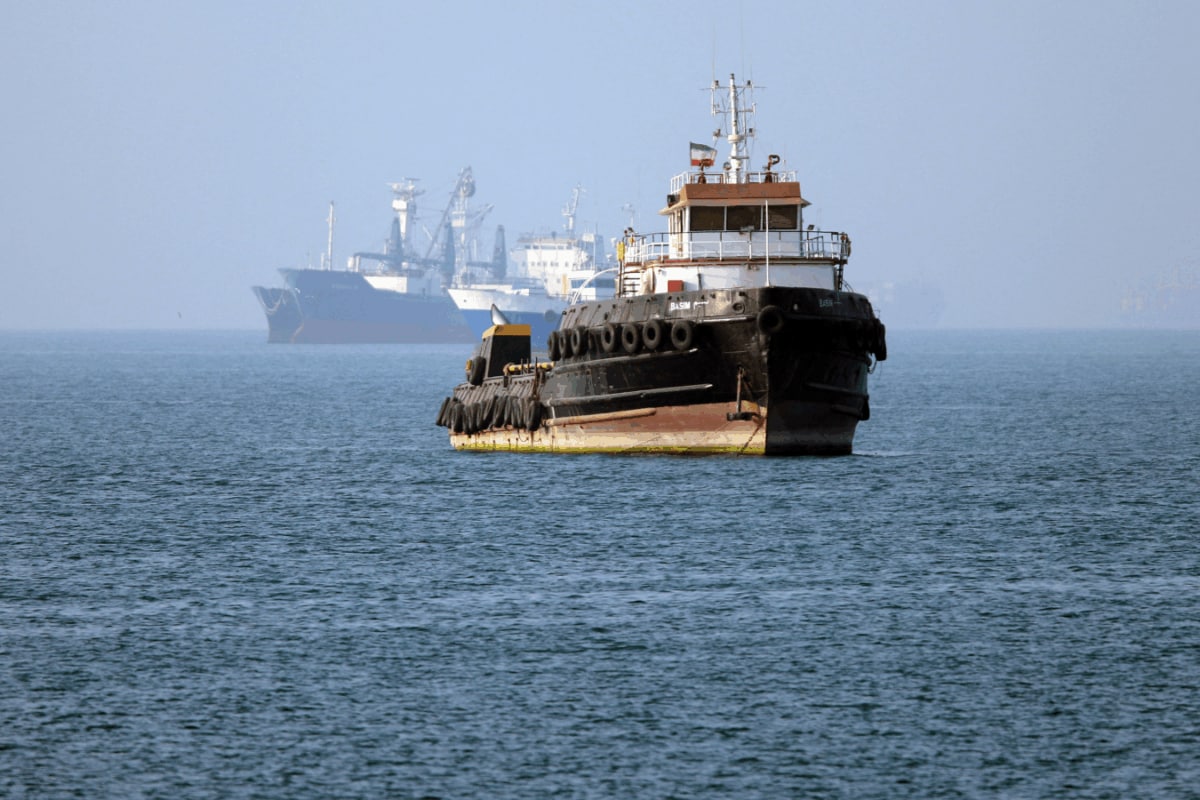
India-Linked Cargo Vessels Rank Among Highest For Strait Of Hormuz Transit Requests Published By, Last Updated: July 17, 2026, 08:09 IST India-linked vessels were top applicants for passage through Iran-designated routes in the Strait of Hormuz after the US-Iran MoU, with India accounting for 20% of exit requests. Commercial ships seen passing through the war-hit Strait of Hormuz. (Source: AFP) Merchant vessels travelling to and from India were among the largest applicants for passage through Iran-designated routes in the Strait of Hormuz during the three weeks following the June 17 US-Iran peace memorandum of understanding (MoU), according to data released by Iran. Figures published by the Persian Gulf Strait Authority (PGSA), established by Tehran to regulate maritime traffic through the strategic waterway, showed that more than 200 non-Iranian vessels sought passage permits and insurance coverage from the authority during the period, The Indian Express reported. India Accounts For 20% Of All Transit Requests Among vessels seeking to exit the Persian Gulf, ships headed to India accounted for 20% of all transit requests received by the PGSA, second only to China at 21%. Other Asian destinations represented 29% of requests, while intra-Gulf movements made up 22%. The remaining 8% were bound for the rest of the world. Also Read: ‘Avoid Deploying Indian Seafarers On Vessels Crossing Hormuz’: Centre’s New Advisory To Ship Owners For vessels entering the Persian Gulf, India was the largest country of origin, accounting for 21% of transit requests.
China followed with 19%, while other Asian countries together represented 20%. Intra-regional movements accounted for 24%, with the rest of the world contributing the remaining 16%, as per The Indian Express. Is India The Principal Destination For Cargo? The trend reflects existing trade patterns, with India and China remaining the principal destinations for cargo, particularly energy shipments, moving through the Strait of Hormuz, while the rest of Asia accounts for much of the remaining traffic. India relies heavily on the route for its energy imports. Around 40% of the country’s crude oil imports, 60% of its liquefied natural gas (LNG) imports, and 90% of its liquefied petroleum gas (LPG) imports originate in West Asia and pass through the Strait of Hormuz. India’s dependence on imports stands at more than 88% for crude oil, 60% for LPG, and about 50% for natural gas, which is imported as LNG. According to PGSA data, 53% of the more than 200 transit applications received during the three weeks after the MoU were from vessels exiting the Persian Gulf, while 47% sought entry. The authority said it had approved 79% of the requests, with another 14% still under review as of July 14. The average processing time for applications was 50 hours. Also Read: After Hormuz, Red Sea Route Could Be Next: Inside Iran’s Plan To Disrupt Global Trade Before the conflict erupted in late February, the Strait of Hormuz handled roughly one-fifth of global oil and LNG flows.
 The BriefWire