SC On Bulldozer Action: No Blanket Ban, But No Room For Selective Demolitions
SC On Bulldozer Action: No Blanket Ban, But No Room For Selective Demolitions Published By, Last Updated: July 17, 2026, 07:44 IST The Supreme Court
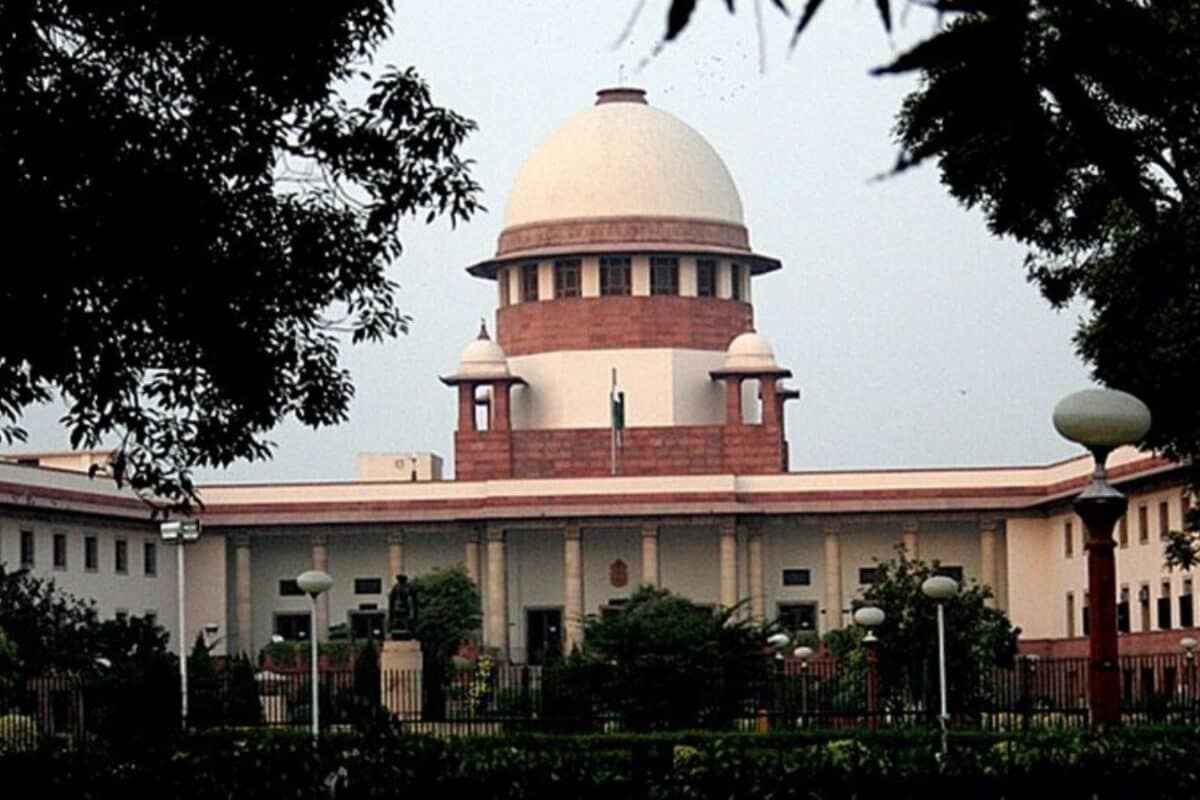
SC On Bulldozer Action: No Blanket Ban, But No Room For Selective Demolitions Published By, Last Updated: July 17, 2026, 07:44 IST The Supreme Court said bulldozer action against illegal encroachments is permissible but warned that demolitions cannot be used to selectively target individuals. The Supreme Court allowed bulldozer action but barred selective demolitions. | Image for representation The Supreme Court on Thursday clarified that its earlier judgment does not prohibit all bulldozer action, but made it clear that demolitions cannot be used as a tool to selectively target individuals. Hearing a batch of contempt petitions alleging arbitrary demolitions, the court observed that the legality of each action must be examined on its own facts and that High Courts are the appropriate forums to undertake that exercise. A bench comprising Chief Justice of India Surya Kant, Justice Joymalya Bagchi and Justice V Mohana declined to entertain the contempt petitions, holding that the issues raised involved disputed questions of fact that required detailed scrutiny. ‘Bulldozers Needed Against Illegal Encroachments, Not Individuals’ During the hearing, Justice Joymalya Bagchi underlined that bulldozer action may be justified in cases of illegal encroachments, but warned against using it in a discriminatory manner. “Yes, bulldozers need to be used when the rule of law is throttled by comfortable corruption between authorities and illegal encroachers. But in the guise of implementing law, there should not be characterisation of individuals. It runs against basic tenets… The question is whether a person had authorisation and procedure of law was followed?" he observed. The bench reiterated that the central issue in every demolition case is whether the structure was legally authorised and whether authorities complied with the prescribed legal procedure before taking action.
High Courts Best Suited to Examine Individual Cases The petitions before the Supreme Court alleged that authorities had violated the safeguards laid down in its landmark November 2024 judgment on demolitions. However, the bench said those allegations required factual determination, making the High Courts the appropriate forums to examine whether due process had been followed. The court observed that its November 2024 ruling should be read together with the exceptions mentioned in the judgment and not as a standalone statutory provision. It also said contempt proceedings were not the proper mechanism for resolving factual disputes arising in individual demolition cases. Accordingly, the Supreme Court transferred all pending petitions to the respective High Courts, leaving every legal and factual issue open for fresh consideration. It further clarified that notices issued earlier by the apex court in some contempt matters would not influence the High Courts while deciding those cases independently. Lawyers Cite Alleged Targeted Demolitions Senior Advocate Huzefa Ahmadi argued that the Supreme Court should directly intervene in cases involving what he described as “egregious violations" of its earlier directions. Referring to a petition concerning the demolition of certain mosques in Somnath, Ahmadi submitted that the alleged breach was evident from the affidavits already on record and could be demonstrated within minutes. He contended that the demolitions were targeted, claiming they followed a politician’s public objection to the presence of a large mosque in the state and asserting that the structure did not stand on public land. Appearing in a matter from Maharashtra, Senior Advocate Chander Uday Singh argued that demolitions were frequently preceded by public statements from political leaders promising “bulldozer justice".
 The BriefWire