Quote of the day by Roman poet Virgil: 'If I cannot move Heaven, I will raise Hell', and a celebration of determination
Quote of the day by Roman poet Virgil. f I cannot bend the powers above, I shall move Acheron Roman poet Virgil who is best
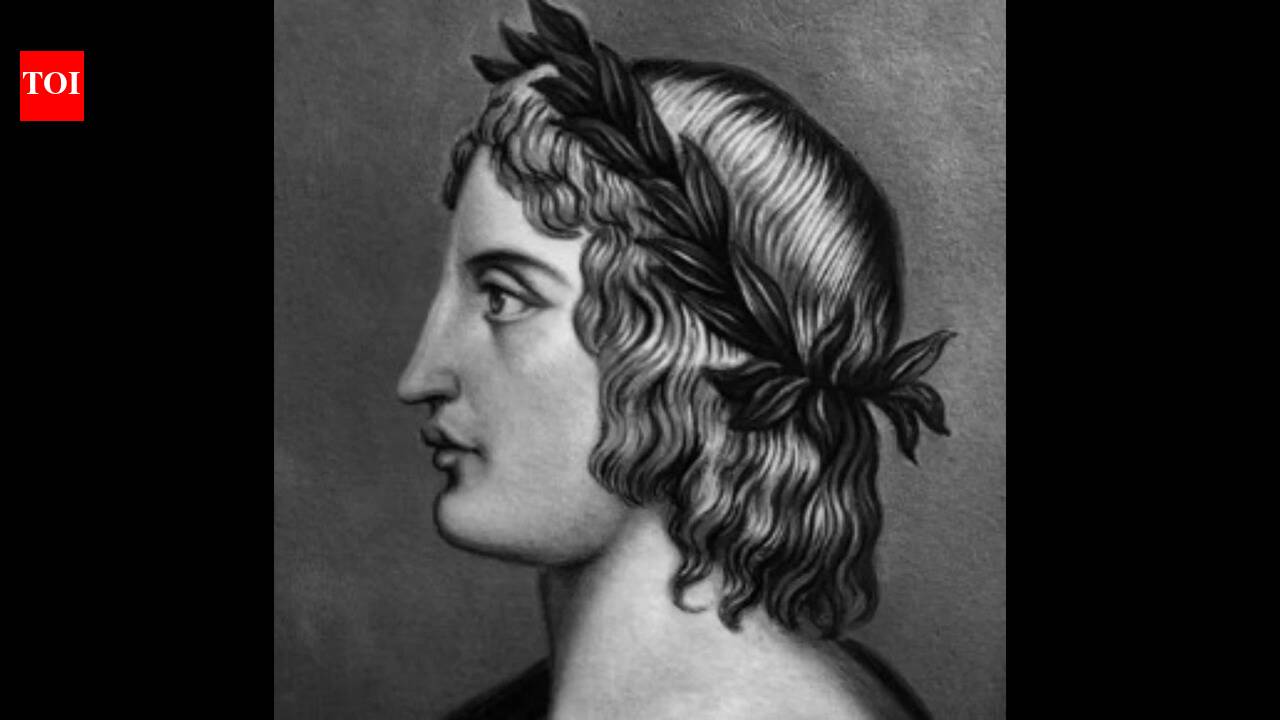
Quote of the day by Roman poet Virgil. f I cannot bend the powers above, I shall move Acheron Roman poet Virgil who is best known for his epic, The Aeneid, wrote a famous line through the character of Juno. "If I cannot move Heaven, I will raise Hell," is one of the most memorable declarations in classical literature. The original Latin reads: "Flectere si nequeo superos, Acheronta movebo." A more literal translation is: "I." Acheron was one of the rivers of the Underworld in Greek and Roman mythology. So the literal meaning of the phrase is calling upon the forces of Hell when Heaven refuses to cooperate.The speaker is Juno, the queen of the gods. Understanding who she is, why she utters these words, and where they appear in the epic is essential to understanding the quote itself.Virgil wrote the Aeneid between roughly 29 and 19 BCE during the reign of the Roman emperor Augustus. The poem was intended to provide Rome with a national epic comparable to Homer's Iliad and Odyssey. It follows the Trojan hero Aeneas, who escapes the destruction of Troy and journeys across the Mediterranean to Italy, where his descendants will eventually found the civilization that becomes Rome.From the opening lines of the poem, Virgil makes clear that Aeneas' greatest obstacle is not simply storms, monsters, or enemy armies.His greatest obstacle is Juno's relentless hatred.
She despises the Trojans for several reasons rooted in myth. Paris, a Trojan prince, had judged Venus more beautiful than Juno in the famous Judgment of Paris. Juno also favored the city of Carthage and knew of a prophecy that descendants of the Trojans would one day destroy it, a prophecy fulfilled centuries later in Rome's wars against Carthage. Her hostility is therefore deeply personal as well as political.By the time Book VII begins, Aeneas has survived years of hardship. He has lost companions, endured storms, visited the Underworld, and finally reached Italy, the land promised to him by destiny. It appears that his wandering has ended and that fate is about to be fulfilled. Even Juno recognizes that she cannot overturn Jupiter's decree. The king of the gods has determined that Aeneas will establish the line that leads to Rome.It is at this moment that Juno speaks the famous words.She acknowledges that she cannot persuade or influence the gods above. Heaven has already decided Aeneas' future. But rather than accepting defeat, she resolves to unleash the powers of the Underworld instead. She summons Allecto, one of the Furies, terrifying spirits associated with vengeance and madness. Allecto spreads rage among the Latins, turning potential allies into bitter enemies. She inflames Queen Amata against the proposed marriage between Aeneas and Lavinia, drives Turnus into a fury, and engineers a seemingly trivial hunting incident that escalates into full-scale war.The significance of the quote lies precisely in this decision.
 The BriefWire