Fact check: Claims linking statins to dementia are false
Viral posts claim that a drug widely used to lower cholesterol is contributing to a dementia epidemic. DW Fact Check examined the scientific evidence. "Saw
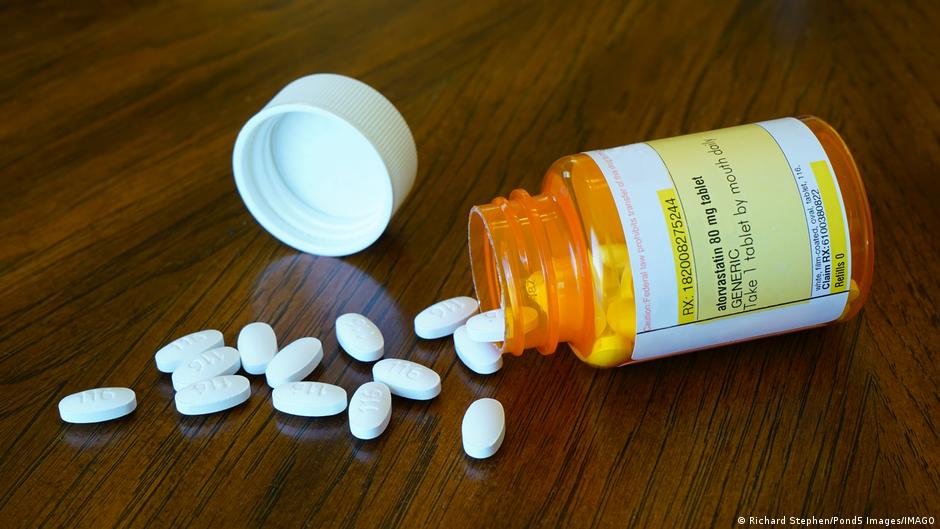
Viral posts claim that a drug widely used to lower cholesterol is contributing to a dementia epidemic. DW Fact Check examined the scientific evidence. "Saw people on Facebook, including doctors, warning that statins cause dementia. Then I googled it and found an NIH-listed study that says the opposite. It's so difficult to know what to do with our health choices." A Bluesky user wrote this after encountering conflicting claims about statins — cholesterol-lowering drugs prescribed to reduce the risk of heart attacks and strokes. The post reflects a dilemma that many people face online: distinguishing evidence-based medical information from unsupported or misleading health claims. According to Johns Hopkins Medicine, more than 200 million people worldwide take statin drugs, so misleading claims about the safety of such medications have the potential to directly affect millions of patients. Posts alleging that statins cause dementia, damage memory or starve the brain of cholesterol resurface regularly across platforms and languages, usually delivered in an urgent, confident tone with no supporting evidence, and often with the suggestion that doctors or health authorities are hiding the "truth." Following these waves of posts over the past year, Google Trends has shown spikes in searches about statins and dementia. DW Fact Check examined the evidence behind the claims and what decades of medical research actually show. Do statins cause dementia? Claim: "Statins are [the] number one reason dementia is rampant." This claim emerged in a Facebook post by a self-described health influencer with tens of thousands of followers. Presented in large, bold text with no supporting evidence, it's one of many similar posts circulating on TikTok, and X that claim statins cause dementia, Alzheimer's disease and other chronic memory problems. DW Fact check: False The best available scientific evidence does not support the claim that statins increase the risk of dementia or cognitive decline.
One of the most comprehensive analysis to date comes from the Cholesterol Treatment Trialists' (CTT) Collaboration, a research group coordinated by Oxford Population Health, published in The Lancet in early 2026. Researchers analyzed data from more than 123,000 participants across 19 large, double-blind, randomized statin trials. They found no difference in reports of cognitive or memory impairment between the statin group and the placebo group. Several other systematic reviews and meta-analyses came to the same conclusion: Statin users have no increased dementia risk. Claims like this regularly resurface online, often shared by self-described health influencers who present themselves as authorities on medical topics but do not necessarily have relevant scientific or clinical expertise Image: Facebook Some researchers say the evidence goes a step further. Rather than harming cognitive health, statins may even help lower the risk of certain types of dementia. "We have reasons to believe that statins can help with memory disease such as dementia and Alzheimer's," said Dr. Wenzel Glanz, neurologist and senior physician at the memory clinic of Universitätsmedizin Magdeburg and the German Center for Neurodegenerative Diseases (DZNE) in Magdeburg. "We know that elevated blood lipids are ultimately a risk factor for the development of dementia, especially dementias related to vascular disease — so-called vascular dementia," Glanz said. "Statins actually play a positive role here, because they lower blood lipids and thus probably even reduce the risk of developing dementia." Do statins deprive brain of cholesterol? Claim: "Your doctor prescribes statins to lower your cholesterol. Cholesterol is what your brain is made of. Side effects of statins include memory problems, muscle weakness, and fatigue. The drug lowers the very substance your nervous system depends on, and you're surprised when your nervous system starts having problems. Medicine calls this a side effect. Everyone else calls it a mechanism." This claim was made by an X user, repeating what other users had said about the drug on TikTok, Facebook and other platforms.
 The BriefWire