Italy: E highway head sentenced to 12 years for deadly bridge collapse
The collapse of the Morandi bridge in Genoa in 2018 killed 43. The court found the former Italian highway CEO guilty of neglecting maintenance despite
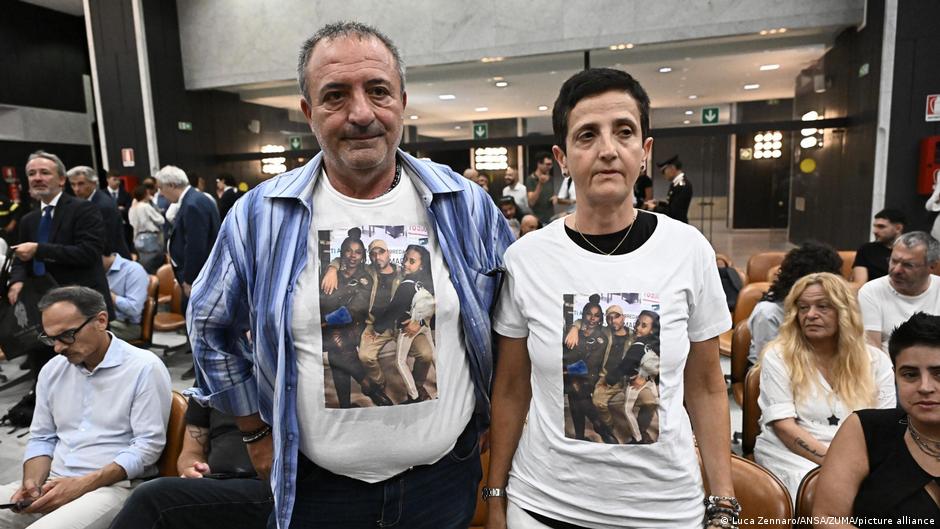
The collapse of the Morandi bridge in Genoa in 2018 killed 43. The court found the former Italian highway CEO guilty of neglecting maintenance despite prior warnings and sentenced him to 12 years in prison. A Genoa court on Thursday delivered its long-awaited verdict in the Morandi bridge collapse case, concluding nearly four years of proceedings. In total, 32 people were found responsible for the disaster, receiving sentences ranging from 23 months to 12 years. Among those convicted was Giovanni Castellucci, the former CEO of Italy's highway operator Autostrade per l'Italia. He received the longest sentence — 12 years in prison — after being found guilty of vehicular homicide and negligence linked to the collapse. Castelucci is already serving a prison sentence after being convicted over a seperate 2013 accident in which a bus plunged off an overpass, killing 40 people. Others sentenced included managers and engineers from Autostrade's engineering subsidiary SPEA, as well as former officials from Italy's Infrastructure and Transport Ministry.
The Morandi bridge collapsed the day before Italy's Ferragosto holiday, when many people were traveling [FILE: August 2018] Image: Fabio Palli/NurPhoto/picture alliance What led to the bridge collapse? On the morning of August 14, 2018, a 200-meter (650-foot) central section of the Morandi Bridge collapsed during a rainstorm, plunging 45 meters (148 feet) to the ground below. The collapse came during the peak summer holiday season. About 30 vehicles were travelling on the affected section when it gave way, killing 43 people and injuring 16 others. When the bridge opened in 1967, it was considered an engineering landmark. Designed by renowned Italian engineer Riccardo Morandi, it served as a key transport link connecting northern Italy with the coastline and northern France. Although reinforcement work was carried out in the 1990s, experts had warned for years that the structure was deteriorating and required major repairs. Investigators later found that the cable stays on the bridge's ninth pillar, which carried the load of the road deck, had fractured after steel and concrete components corroded.
A new bridge was opened in the place of the Morandi bridge in 2020, spanning a memorial to the victims of the collapse. Germany's billions in funds not enough to fix infrastructure To view this video please enable JavaScript, and consider upgrading to a web browser that supports HTML5 video Lack of maintenance made bridge a "ticking time bomb" During the trial, prosecutors argued that warning signs had existed before the collapse, and that the defendants had demonstrated neglect in maintenance. Castellucci, in particular, was accused of postponing much needed work on the bridge, as the magistrate's investigation found that "not even minimal maintenance work was carried out to reinforce the stays of pillar number 9" during the bridge's five-decade existence. One prosecutor in the case dubbed the bridge "a ticking time bomb." Raffaele Caruso, one of the lawyers representing victims, argued that the trial had shown that the need for maintenance was long known. "From 1993 onward, the problem was known.
 The BriefWire