Sea Shepherd chased Japan's whalers for years but ultimately lost the battle
Image: AI Generated How Sea Shepherd's battle against Japan's Antarctic whaling began Why Sea Shepherd ultimately lost the Antarctic whale hunt battle Why Japan stopped
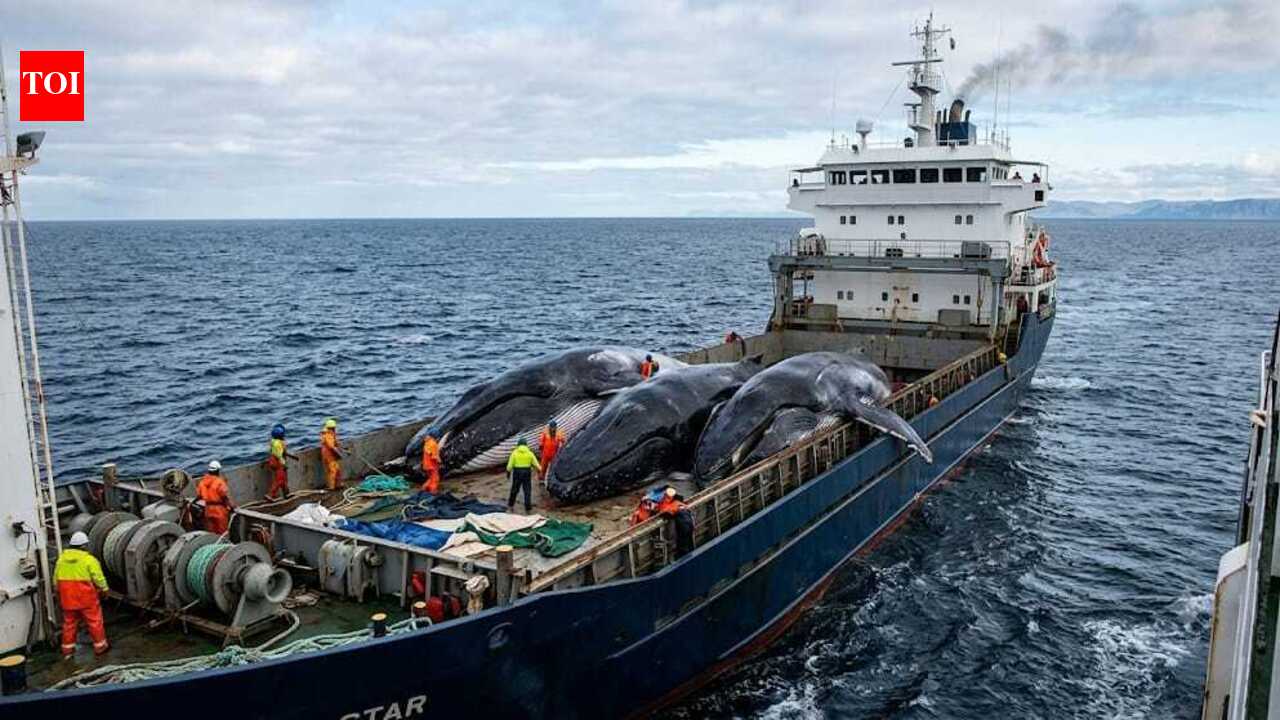
Image: AI Generated How Sea Shepherd's battle against Japan's Antarctic whaling began Why Sea Shepherd ultimately lost the Antarctic whale hunt battle Why Japan stopped Antarctic whaling but resumed commercial whaling elsewhere What the Sea Shepherd campaign changed for global whale conservation For decades, the icy waters of Antarctica became the stage for one of the world's most high-profile environmental confrontations. On one side was Sea Shepherd Conservation Society, whose activists chased, blocked and attempted to disrupt Japanese whaling vessels in a bid to stop the annual hunts. On the other was Japan's whaling fleet, which maintained that its expeditions were conducted for scientific research before later resuming commercial whaling under revised policies. The confrontations attracted global attention through dramatic ship chases, helicopter footage and television documentaries. Yet despite years of activism, legal battles and international criticism, Sea Shepherd's campaign gradually came to an end. Today, Japan no longer hunts whales in Antarctic waters, but not because the activists won. Instead, changes in international law, enhanced security measures and Japan's withdrawal from an international treaty fundamentally reshaped the conflict.The conflict dates back to the early 2000s, although opposition to Japan's Antarctic whaling programme had existed for decades. Following the International Whaling Commission's (IWC) commercial whaling moratorium in 1986, Japan continued hunting whales under a provision allowing catches for scientific research, arguing that biological data were needed to manage whale populations.Much of the meat from these whales was later sold commercially, prompting criticism from conservation groups and several governments.Sea Shepherd made the Southern Ocean one of its primary campaign areas.
Using fast vessels, inflatable boats and direct-action tactics, activists attempted to obstruct Japanese harpoon ships by positioning their own vessels between whales and the fleet, trailing ropes behind ships, launching smoke flares and documenting every stage of the hunt. As reported by BBC and The New York Times, the confrontations often lasted for weeks in some of the harshest maritime conditions on Earth, turning Antarctica into an annual flashpoint in the global debate over whaling.The campaign gained worldwide recognition through the television series Whale Wars, which followed Sea Shepherd's missions and brought unprecedented public attention to the issue. Supporters viewed the activists as defenders of marine wildlife, while critics argued that their increasingly confrontational tactics endangered lives at sea.The turning point came through a combination of legal rulings, operational changes and Japan's increasingly sophisticated response to activist interference.In 2014, the International Court of Justice (ICJ) ruled that Japan's JARPA II Antarctic research programme did not meet the criteria for scientific research and ordered the permits revoked. Japan temporarily suspended its Antarctic hunt but later introduced a revised programme with reduced quotas, arguing that it complied with the court's decision.Sea Shepherd also faced mounting legal setbacks outside Antarctica. In 2015, the organisation agreed to pay 2.55 million yen (around US$20,500 at the time) to Japanese whaling operators after admitting it had breached a US court injunction that prohibited its vessels from approaching the Japanese fleet.As reported by The Guardian, the payment settled a contempt-of-court case stemming from the 2014–15 whaling season, when Sea Shepherd ships entered the exclusion zone around the fleet despite the injunction.
 The BriefWire