SUV was E20 compatible: Maruti Suzuki to challenge order to replace Grand Vitara
Maruti Suzuki on Thursday said it will challenge an order of the Raipur consumer commission that directed the carmaker and a dealer to replace a
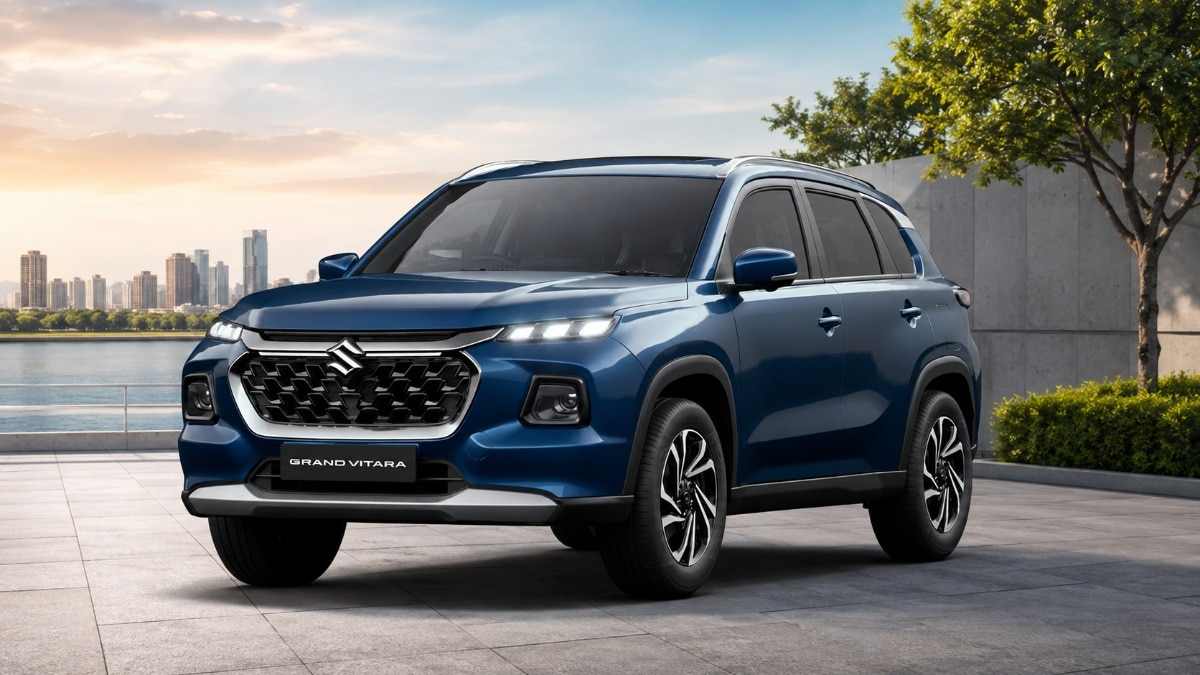
Maruti Suzuki on Thursday said it will challenge an order of the Raipur consumer commission that directed the carmaker and a dealer to replace a customer's faulty Grand Vitara after holding that the vehicle was not compatible with E20 fuel. In a statement, the company said the vehicle was fully E20-compatible and that this had been disclosed in the owner's manual. It also claimed there was evidence of fuel contamination and that key facts were not reflected in the commission's order, adding that it will challenge the ruling before the appropriate higher forum. Read Full Story The response came after the District Consumer Disputes Redressal Commission in Raipur ordered Maruti Suzuki and its dealer to replace a SUV owned by Raipur-based doctor Premraj Debta after concluding that it was not compatible with E20 fuel despite being sold after the rollout of the ethanol-blending programme.
The commission ordered the manufacturer and dealer to provide the complainant with a new Grand Vitara Strong Hybrid Zeta Plus equipped with an E20-compatible engine within 45 days. Failing that, they would have to refund Rs 20.50 lakh paid towards the vehicle, registration and insurance. The commission also awarded Rs 1 lakh as compensation for mental harassment and Rs 10,000 towards litigation expenses. It further directed that if the amounts were not paid within the stipulated period, they would attract interest at 7 per cent per annum until payment. The order, passed on July 14 by the Commission held that Maruti Suzuki and the dealer had committed deficiency in service and indulged in unfair trade practice by refusing to take back the allegedly defective vehicle and replace it with a new E20-compatible model.
According to the complaint, Debta purchased a top-end Maruti Grand Vitara from Nexa Magneto, an authorised Maruti Suzuki dealer, in June 2024. Including insurance and RTO charges, he paid Rs 20.5 lakh for the vehicle. However, after the vehicle had covered around 22,000 km, it developed recurring engine-related issues, including warning lights, stalling and performance problems. Despite repeated visits to authorised service centres and several repair attempts, the problems persisted. During the proceedings, Maruti Suzuki and the dealer argued that the vehicle was compatible with E20 fuel and that the defects could have arisen due to fuel contamination, maintenance issues, wear and tear or other unrelated factors. The commission, however, noted that the vehicle had been manufactured in January 2023 and sold in June 2024. It accepted the complainant's contention that the vehicle was not adequately compatible with E20 fuel and observed that the defects continued despite repeated cleaning of the fuel tank and repair efforts.
 The BriefWire