More Than 500 Rohingya Feared Dead After Two Boats Capsize In Bay Of Bengal
More Than 500 Rohingya Feared Dead After Two Boats Capsize In Bay Of Bengal Published By, Last Updated: July 16, 2026, 19:49 IST Officials said
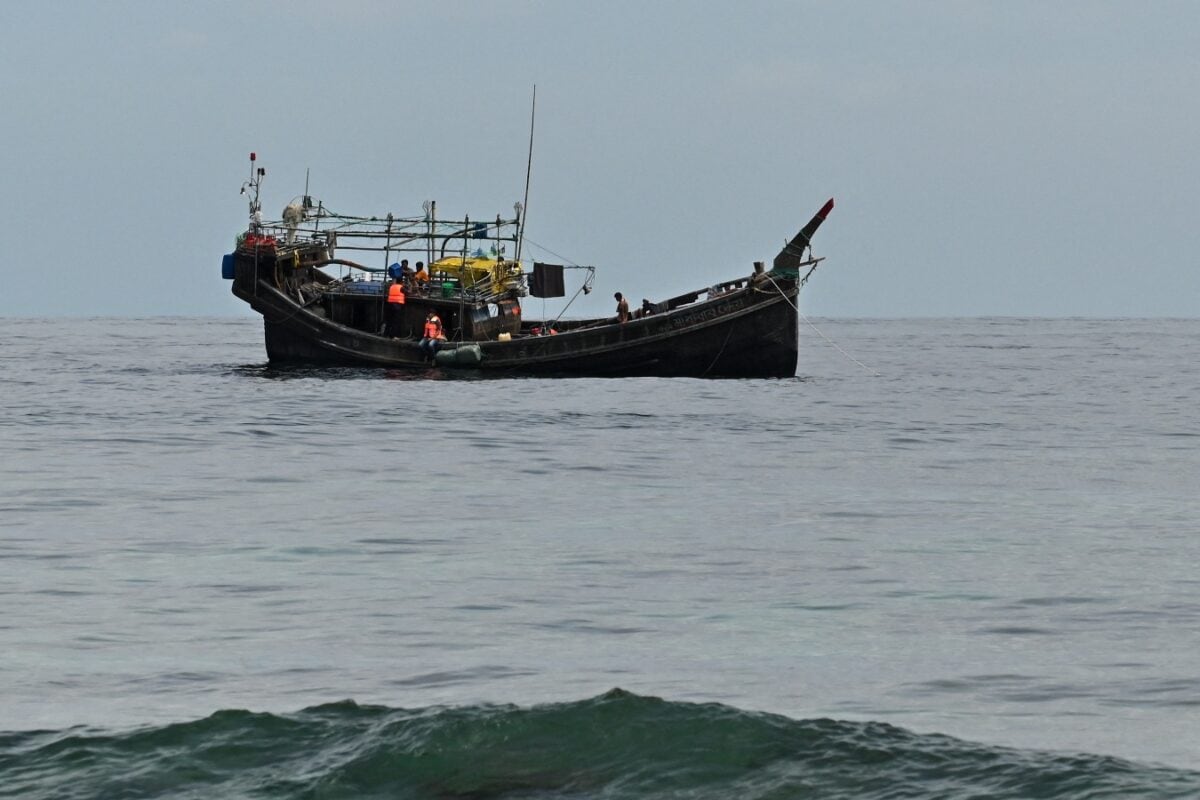
More Than 500 Rohingya Feared Dead After Two Boats Capsize In Bay Of Bengal Published By, Last Updated: July 16, 2026, 19:49 IST Officials said one boat, believed to be carrying around 250 people, lost contact shortly after leaving Myanmar. Officers check a boat that with newly-arrived Rohingya at a beach in Sabang island. (AFP file photo) More than 500 Rohingya people are feared dead after two boats carrying members of Myanmar’s persecuted Rohingya community reportedly capsized in the Bay of Bengal, officials said on Thursday. According to preliminary information shared by the International Organisation for Migration (IOM) and the United Nations High Commissioner for Refugees (UNHCR), the two boats left Myanmar’s western Rakhine state in late June. Most of those on board were Rohingya passengers, including some who had travelled from refugee camps in Bangladesh.
Officials said one boat, believed to be carrying around 250 people, lost contact shortly after leaving Myanmar. A second boat, carrying around 280 passengers, is believed to have sunk near Myanmar’s Ayeyarwady coast on July 8. The UN agencies said the incidents and the exact number of casualties are yet to be officially confirmed. However, they expressed serious concern over the possible loss of hundreds of lives. The Rohingya, who have in recent years fled both Myanmar and Bangladesh’s squalid refugee camps by the thousands, typically avoid such boat journeys at this time of year, when monsoons are frequent and conditions at sea are particularly dangerous. The UNHCR and IOM noted this in their statement, saying that recent torrential rain and flooding across the region would have made such journeys especially risky. The agencies said the latest incident shows the urgent need for stronger search and rescue operations, better protection for refugees and action against smuggling networks.
“Stronger regional and international efforts are needed to prevent further loss of life along one of the world’s deadliest maritime routes, including through enhanced search and rescue efforts, access to asylum and protection, and actions against smuggling and trafficking networks," it said. (With inputs from agencies) News18 Newsletter Handpicked stories, in your inbox A newsletter with the best of our journalism submit Key Questions Answered How do monsoon conditions impact refugee sea travel? Monsoon conditions make sea travel particularly dangerous for refugees. Torrential rain and flooding during monsoons increase the risks associated with sea journeys. These journeys often occur outside the regular sailing season when maritime conditions are typically more hazardous. Could international efforts improve search and rescue operations? Stronger regional and international efforts are needed to prevent further loss of life, including enhanced search and rescue efforts.
 The BriefWire