What Happens If The Red Sea Route Shuts Down? Why It Matters For India
What Happens If The Red Sea Route Shuts Down? Why It Matters For India Published By, Last Updated: July 16, 2026, 19:54 IST Iran's reported
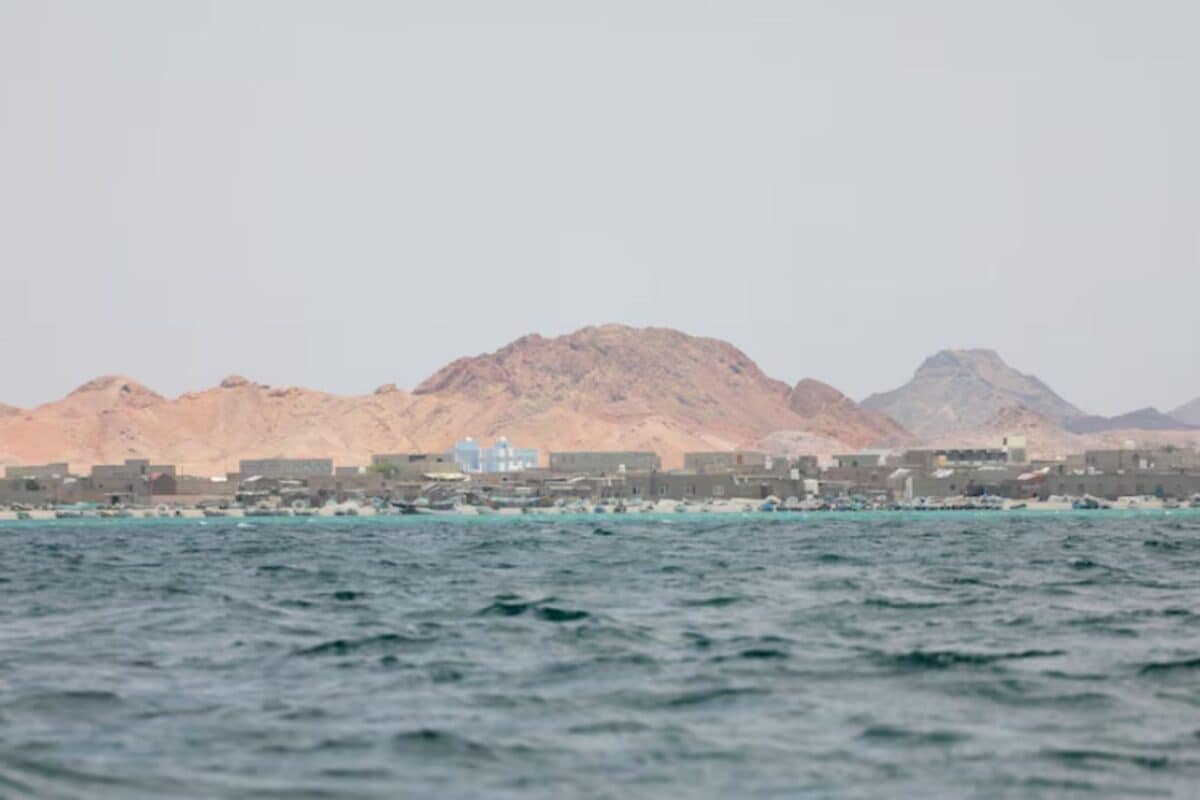
What Happens If The Red Sea Route Shuts Down? Why It Matters For India Published By, Last Updated: July 16, 2026, 19:54 IST Iran's reported move to prepare the Houthis for a Red Sea shutdown has raised fears of a major disruption to global trade, energy supplies and India's economy. Rapid Read A view of a village on the coast of Bab el-Mandeb Amid the intensifying tensions between Iran and the US over the Strait of Hormuz, Tehran has now asked Yemen’s Houthi movement to prepare to shut the Bab el-Mandeb Strait, the gateway to the Red Sea, if the United States targets Iranian power infrastructure. The warning raises fresh concerns over a possible disruption to one of the world’s busiest shipping routes, with experts cautioning that any closure could have far-reaching consequences for global trade and energy supplies. The Red Sea is a narrow body of water that lies between north-east Africa and the Arabian Peninsula. It stretches from the Suez Canal in Egypt in the north to the Bab el-Mandeb Strait in the south, where it connects to the Gulf of Aden and the Arabian Sea. Countries bordering the Red Sea include Egypt, Sudan, Eritrea, Djibouti, Saudi Arabia and Yemen. Its strategic location makes it one of the world’s busiest maritime corridors, linking Europe with Asia and carrying a significant share of global trade, including oil, natural gas and container cargo. Where Is the Red Sea and Why Does It Matter To India? The Red Sea lies between north-east Africa and the Arabian Peninsula. It connects the Indian Ocean to the Mediterranean Sea through the Suez Canal, providing the shortest sea route between Asia and Europe. For India, this corridor is a crucial trade link. A large share of Indian exports to Europe, including engineering goods, textiles, chemicals and pharmaceuticals, passes through the Red Sea.
It is also an important route for imports of crude oil, liquefied natural gas (LNG) and other essential commodities. Why Is The Red Sea So Important? The Red Sea is among the world’s busiest maritime corridors. Around 12-15 per cent of global maritime trade and nearly 30 per cent of global container traffic passes through this route every year. It carries crude oil, LNG, food products, electronics, automobiles and manufactured goods between Asia, Europe and beyond. Any disruption in this corridor affects not only international shipping but also countries like India that depend on it for trade with Europe. What Happens If The Red Sea Is Closed? If ships are unable to pass through the Red Sea, they would have to avoid the Suez Canal and instead sail around the Cape of Good Hope at the southern tip of Africa. This diversion adds roughly 10 days or more to voyages between Asia and Europe, increases fuel consumption and raises shipping and insurance costs. Delivery of goods would also slow significantly. How Will It Affect Global Trade? A prolonged disruption would ripple through the global economy. Freight costs would rise, supply chains could face delays, and prices of imported goods, including consumer products, machinery and energy, may increase. Oil and LNG shipments would also be affected, putting upward pressure on energy prices and inflation across several countries. Who Controls The Red Sea Route? No country controls the entire Red Sea. However, the Bab el-Mandeb Strait, located between Yemen and Djibouti-Eritrea, is a strategic chokepoint. The Houthis control large parts of Yemen’s western coastline overlooking the Red Sea and have targeted commercial ships since late 2023. While they cannot control the entire sea, attacks near the strait can disrupt shipping and force vessels to take longer routes. How Could A Red Sea Closure Affect India?
 The BriefWire