Did Maruti Suzuki sell a non-E20 Grand Vitara? Know why you need to pay attention
A consumer court in Chhattisgarh has passed what is believed to be India's first major ruling linking vehicle compatibility with E20 petrol, holding that Maruti
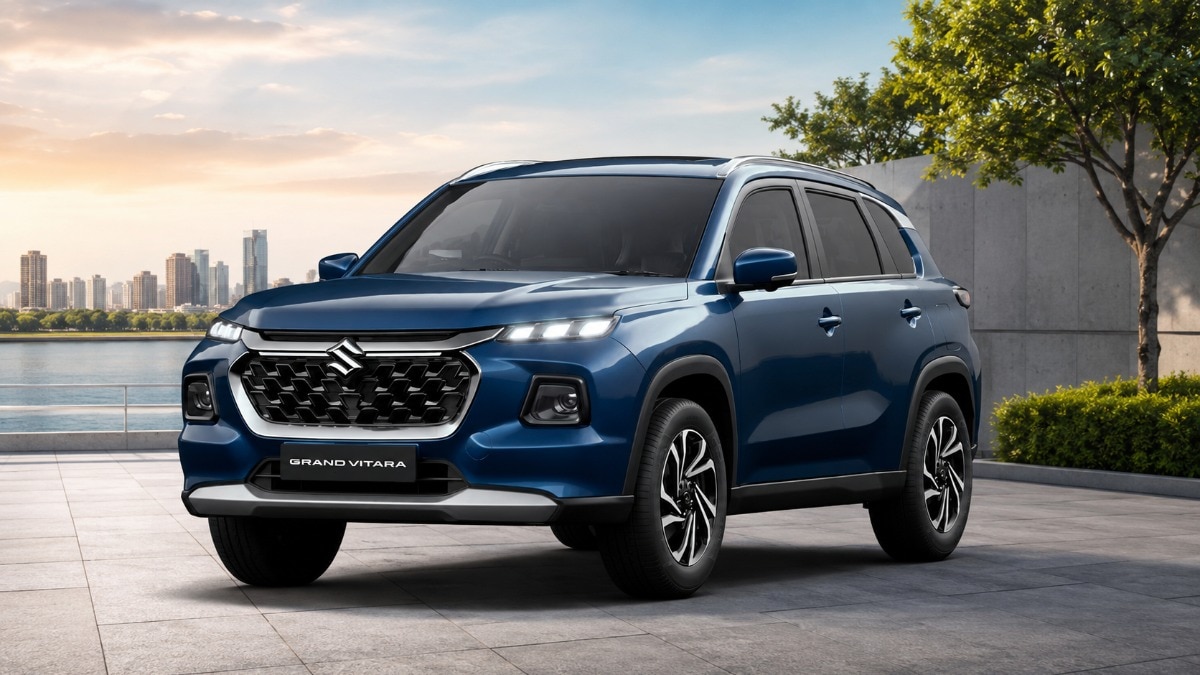
A consumer court in Chhattisgarh has passed what is believed to be India's first major ruling linking vehicle compatibility with E20 petrol, holding that Maruti Suzuki sold a Grand Vitara that was not compatible with the country's ethanol-blended fuel despite it being retailed after the transition to E20. The District Consumer Disputes Redressal Commission (Additional Bench), Raipur, ordered Maruti Suzuki to replace the complainant's vehicle with a new E20-compatible model within 45 days. If the replacement is not carried out within the stipulated period, the company will have to reimburse the owner the entire purchase amount of around Rs 20.50 lakh. The Commission also awarded Rs 1 lakh towards mental harassment and Rs 10,000 towards litigation expenses. Read Full Story The key issue wasn't when the car was sold, it was when it was built The ruling has drawn attention because of a timeline that sits at the heart of the dispute. The Grand Vitara in question was manufactured in January 2023 but sold to the customer in June 2024. According to India's emission and ethanol roadmap, all new passenger vehicles manufactured from April 1, 2023, in line with BS6 Phase-II norms, were required to be E20 material-compatible. The transition was further strengthened from April 1, 2025, when complete E20 calibration and nationwide availability of E20 petrol became mandatory. The Commission observed that despite being sold well after the rollout of the E20 programme, the vehicle was allegedly not compatible with the fuel now commonly available across the country.
What happened? The complainant, Dr Premraj Debta of Raipur, purchased a Maruti Grand Vitara Hybrid Zeta+ in June 2024. After several months of ownership and over 21,000 kilometres of usage, the SUV reportedly began displaying engine malfunction warnings and repeatedly stalled. According to the complaint, the vehicle suffered recurring engine-related issues, prompting multiple visits to authorised service centres. On more than one occasion, the dealership drained and cleaned the fuel tank after claiming that contaminated petrol had damaged the engine. The owner alleged that despite repeated repairs, the problems continued to reappear. At one stage, he was reportedly informed that the engine would require replacement at a cost of around Rs 5.30 lakh, with the repair being excluded from warranty coverage due to alleged fuel contamination. It is not uncommon in the automobile industry for some vehicles to remain unsold at dealerships for several months, or even more than a year, before eventually finding a buyer. Such vehicles continue to be sold as new because they have never been registered, even though their manufacturing date may be considerably older than the date of sale. To clear ageing inventory, manufacturers and dealers often offer substantial discounts on these older stock models, making them attractive to buyers. In this case, however, the Commission examined whether the Grand Vitara, manufactured in January 2023 but sold in June 2024, complied with India's E20 requirements, especially since all new passenger vehicles manufactured from April 1, 2023 were required to be E20-material compliant.
 The BriefWire