Think E20 Petrol Damaged Your Car Or Bike? Who Pays For Repairs And Can You Claim Compensation?
Think E20 Petrol Damaged Your Car Or Bike? Who Pays For Repairs And Can You Claim Compensation? Published By, Last Updated: July 16, 2026, 18:27
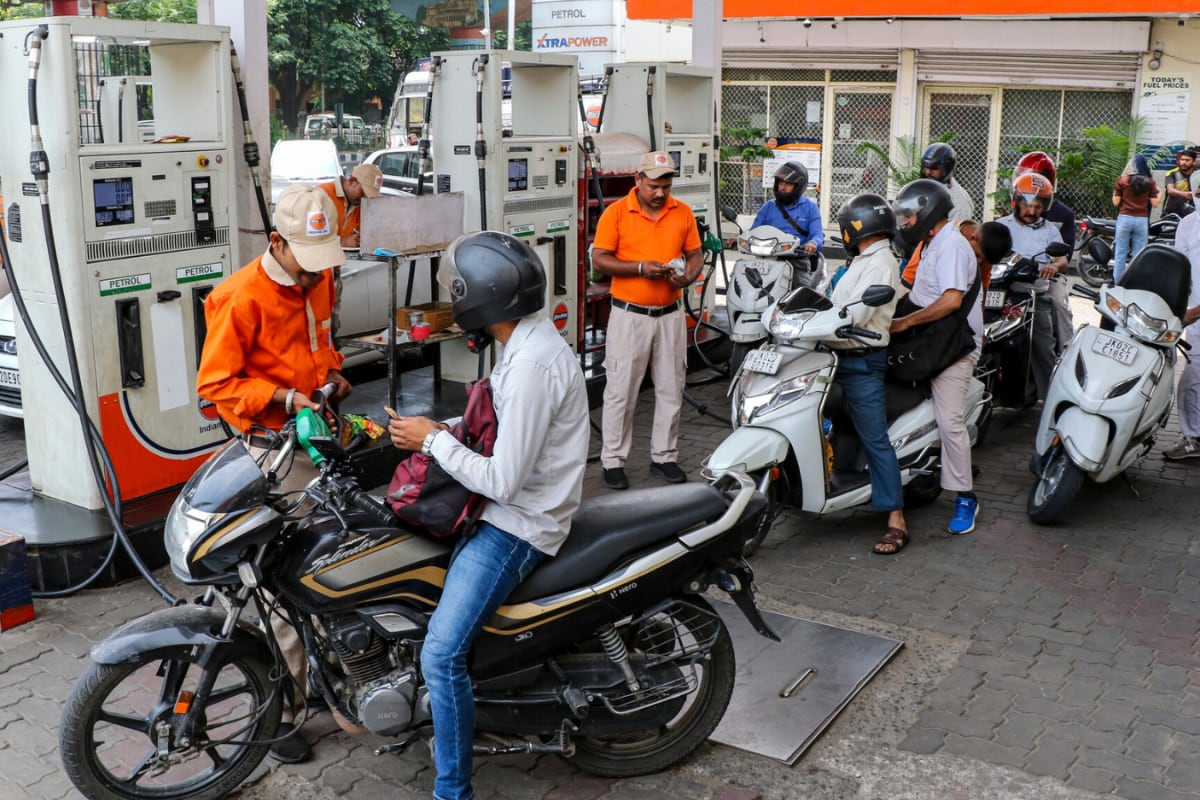
Think E20 Petrol Damaged Your Car Or Bike? Who Pays For Repairs And Can You Claim Compensation? Published By, Last Updated: July 16, 2026, 18:27 IST Worried that E20 petrol damaged your car or bike? Here's what experts, consumer courts and the government say about liability, insurance claims and compensation for vehicle owners.. A professional inspection can help determine whether the problem stems from fuel quality, mechanical defects, maintenance issues or another cause. As videos and social media posts alleging vehicle damage due to E20 petrol continue to circulate online, many vehicle owners are asking the same question: If ethanol-blended fuel damages your car or bike, who is liable for the repairs—and can you seek compensation? The issue has gained renewed attention following claims by popular content creators that E20 fuel affected their vehicles’ performance. However, experts and government officials say owners should first establish the actual cause of the problem before attributing it to ethanol-blended fuel. What Should You Do If You Suspect E20 Petrol Has Damaged Your Vehicle? The first step is to get the vehicle inspected at an authorised service centre. Recently, YouTuber Sourav Joshi claimed that E20 petrol had significantly reduced the mileage of his Mercedes-Benz SUV. However, he later clarified that a visit to the company’s service centre revealed an engine-related issue, not the fuel, was responsible for the poor mileage. He subsequently apologised for linking the problem to E20 petrol. Similarly, YouTuber Manish Kashyap alleged that ethanol-blended petrol had damaged his Toyota SUV. The claim was later rejected by Union Road Transport and Highways Minister Nitin Gadkari, who said an inspection conducted by Toyota found a mixture of petrol and water inside the vehicle’s fuel tank.
Two FIRs have been filed against Kashyap over his claim so far. Vehicle owners should avoid drawing conclusions based solely on symptoms such as reduced mileage, warning lights or engine performance issues. A professional inspection can help determine whether the problem stems from fuel quality, mechanical defects, maintenance issues or another cause. Who Pays For Repairs? Liability depends on what the investigation reveals. If an authorised service centre determines that the damage was caused by a manufacturing defect, repairs may be covered under warranty, subject to the manufacturer’s terms and conditions. If poor-quality fuel is found to be responsible, vehicle owners may have to pursue claims against the fuel supplier or retailer, depending on the circumstances and available evidence. Insurance coverage may also vary. Most standard motor insurance policies cover accidental damage rather than mechanical failures, meaning claims related to engine damage can be subject to policy exclusions. Owners should carefully review their policy documents or consult their insurer. Can You Claim Compensation? Yes—but only if you can prove negligence, a manufacturing defect, deficient service or unfair trade practices. One such case recently emerged in Chhattisgarh, where a vehicle owner successfully challenged an automaker before a consumer court. The Raipur District Consumer Disputes Redressal Commission ruled in favour of the owner of a Grand Vitara SUV after repeated engine-related issues allegedly remained unresolved despite multiple visits to the manufacturer. According to advocate P.K. Nishad, the vehicle began experiencing engine shutdowns and warning light alerts after around 21,000 kilometres of use. The company initially attributed the issue to poor-quality petrol and replaced the fuel.
 The BriefWire