Iceland heats every home using energy from volcanoes, and almost all of its electricity comes from renewable sources, making it one of the world's cleanest energy systems
How Iceland turned volcanic heat into everyday energy How geothermal energy heats almost every home Nearly all of Iceland's electricity comes from renewable sources A
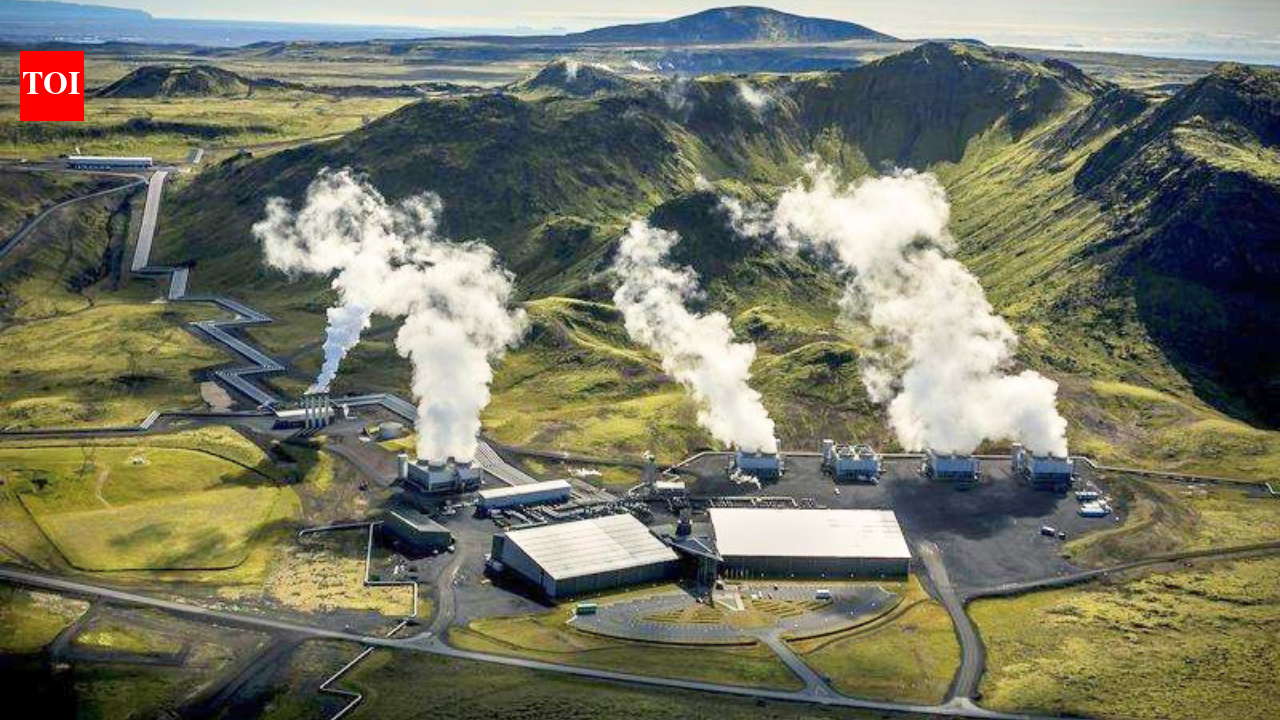
How Iceland turned volcanic heat into everyday energy How geothermal energy heats almost every home Nearly all of Iceland's electricity comes from renewable sources A country shaped by geothermal innovation Can other countries copy Iceland's success? A global example of clean energy For most countries, volcanoes represent danger, destruction and uncertainty. In Iceland, they are also one of the nation's greatest assets. Sitting atop one of the world's most geologically active regions, the Nordic island has spent decades harnessing the heat beneath its surface to warm homes, generate electricity and reduce its dependence on fossil fuels. Today, around 90% of Icelandic homes are heated using geothermal energy, while nearly all of the country's electricity comes from renewable sources, primarily hydropower and geothermal power. This remarkable transformation has made Iceland one of the world's cleanest and most sustainable energy systems, offering lessons for countries seeking cleaner alternatives.Iceland lies on the Mid-Atlantic Ridge, where the North American and Eurasian tectonic plates slowly drift apart. This unique location places magma relatively close to the Earth's surface, creating hundreds of geothermal areas filled with naturally heated water and steam.
Rather than allowing this underground heat to go unused, Iceland has invested heavily in geothermal technology for nearly a century.Engineers drill deep wells into geothermal reservoirs, where groundwater has been heated by volcanic activity. The hot water and steam are then brought to the surface and transported through an extensive network of insulated pipelines, supplying homes, schools, hospitals and businesses with reliable heat throughout the year.Unlike countries where individual homes rely on gas boilers or electric heaters, most Icelandic communities are connected to district heating systems. Hot geothermal water flows directly from nearby power stations or geothermal fields into buildings, where heat exchangers warm indoor spaces and provide hot water for everyday use.Around 90% of Iceland's homes are heated this way, making geothermal heating one of the country's greatest environmental successes. The same naturally heated water also supplies public swimming pools, greenhouses, pavements designed to melt snow during winter and various industrial facilities.Iceland's electricity system is just as remarkable as its heating network. Nearly 100% of the country's electricity comes from renewable energy, with roughly 70% generated by hydropower and 30% by geothermal power.
 The BriefWire