Skyroot’s Historic Vikram-1 Launch: ISRO Opens Sriharikota Viewing Gallery For Public; Here’s How To Book A Spot
Skyroot’s Historic Vikram-1 Launch: ISRO Opens Sriharikota Viewing Gallery For Public; Here’s How To Book A Spot Written By, Last Updated: July 16, 2026, 17:27
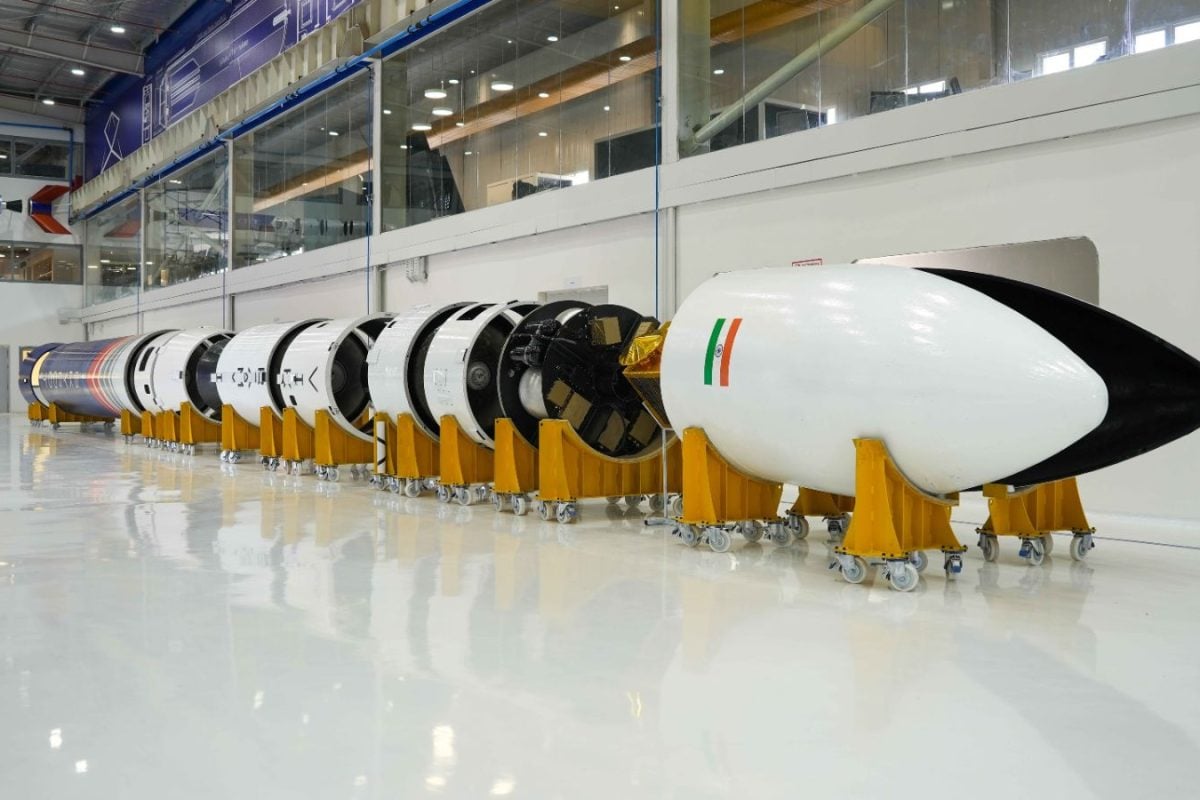
Skyroot’s Historic Vikram-1 Launch: ISRO Opens Sriharikota Viewing Gallery For Public; Here’s How To Book A Spot Written By, Last Updated: July 16, 2026, 17:27 IST Scheduled for Saturday at 11:30 am, the orbital-class vehicle will lift off from the first launch pad at the Satish Dhawan Space Centre (SDSC-SHAR) in Sriharikota, Andhra Pradesh For this inaugural flight, the rocket will carry technology demonstration payloads from global and domestic firms, including Grahaa Space, DCubed, Cosmoserve, and Skyroot’s proprietary SCOPE platform. Representational image India’s commercial space sector is poised to mark a historic milestone as Hyderabad-based aerospace start-up Skyroot Aerospace prepares for the maiden test flight of its Vikram-1 rocket. Scheduled for Saturday at 11:30 am, the orbital-class vehicle will lift off from the first launch pad at the Satish Dhawan Space Centre (SDSC-SHAR) in Sriharikota, Andhra Pradesh. Dubbed “Mission Aagaman"—signifying the formal arrival of private industry players into India’s orbital market—the launch represents the first time a fully privately designed and developed multi-stage orbital rocket will take flight from domestic soil.
Space enthusiasts eager to witness the event firsthand can now book spots, as the official Sriharikota Launch Viewing Gallery has formally opened public registrations. Technical Specifications and Mission Objectives Named in honour of the father of the Indian space programme, Dr Vikram Sarabhai, the Vikram-1 rocket stands nearly seven storeys tall. The vehicle features an all-carbon composite structure, built to withstand extreme mechanical stress during ascent while keeping the overall mass minimal. Target Orbit: A 450-kilometre low-Earth orbit (LEO) at a 60-degree inclination. Payload Capacity: Designed to deploy small satellites weighing up to 350 kilograms. Propulsion Tech: Utilises high-thrust solid-fuel boosters and cutting-edge, in-house developed 3D-printed engines. For this inaugural flight, the rocket will carry technology demonstration payloads from global and domestic firms, including Grahaa Space, DCubed, Cosmoserve, and Skyroot’s proprietary SCOPE platform. The payload stack even includes a micro-art installation named “Cosmic Bloom". Relevant aviation and maritime authorities have already established strict restricted zones along the rocket’s flight path to ensure safety.
Witnessing History from the Viewing Gallery To allow citizens to share in the milestone, the Indian Space Research Organisation (ISRO) has opened the stadium-style Launch Viewing Gallery at Sriharikota. The facility accommodates up to 5,000 visitors and features a clear, unobstructed line of sight to the launch pads. Large electronic screens are set up throughout the gallery to provide real-time commentary, technical breakdowns, and pre- and post-launch visual feeds. Visitors intending to register via the official portal must keep a valid government-issued identity card, mobile number, and email address ready to complete the online pass reservation process. News18 Newsletter Handpicked stories, in your inbox A newsletter with the best of our journalism submit Key Questions Answered How will private space launches impact India's space industry? Private space launches, such as Skyroot Aerospace's Vikram-1, are expected to strengthen the role of private entities in India's space sector. The Vikram-1 rocket is designed to carry small satellites into low Earth orbit. What are the future plans for Skyroot Aerospace after Vikram-1?
 The BriefWire