US slaps 25% tariffs on Brazil with election looming
The US will impose a 25% tariff on most imports from Brazil starting later this month. It's the first action in the Trump administration's new
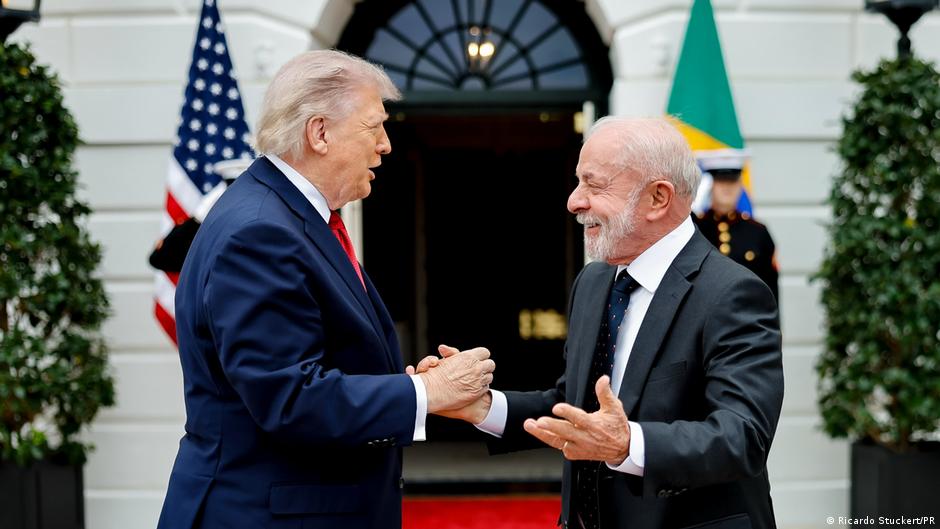
The US will impose a 25% tariff on most imports from Brazil starting later this month. It's the first action in the Trump administration's new tariff strategy, after the Supreme Court struck down its prior impositions. The US Trade Representative's office (USTR) has said it will impose a 25% tariff on most imports from Brazil. The charges are set to come into effect in a week, on July 22. The trade barriers are the first of their kind since the Supreme Court annulled the cornerstone of US President Donald Trump's prior sweeping tariff regime, famously announced on what Trump dubbed "Liberation Day" in 2025. It also comes amid friction between the Trump administration and Brazil's President Luiz Inacio "Lula" da Silva, not least because of Trump's ties to Brazil's far-right former president Jair Bolsonaro and his family. Brazil votes in general elections this October. What US measures are planned against Brazil? Following an investigation, the USTR argued that Brazil's trade practices on a range of issues from digital trade to illegal deforestation were unfair. It also singled out Brazil's instant payment system, Pix, arguing that this disadvantages US credit card companies. "Extensive negotiations with Brazil over the past year have not resolved these issues, but we remain open to continuing negotiations with Brazil to bring about long-needed changes to the problems identified in this investigation," the USTR's Jamieson Greer said in a statement issued on Wednesday.
Greer called safeguarding American economic interests against unfair practices the "bedrock of President Trump's America First policies." The tariffs will apply to most Brazilian imports, including sugar, agricultural machinery, clothing, electrical machinery, paper and steel. But various products that are in considerable demand among US consumers or businesses are exempt, including beef, coffee, rare earths, energy products, aircraft and aircraft parts, organic honey and pig iron. US Secretary of State Marco Rubio said that the blame lay with Lula and his administration, asserting that they had not negotiated with the US in good faith. "[Lula's] economic policies are bad for Americans and bad for Brazilians," Rubio wrote. "For the past year, Lula has put his own ego ahead of making a deal for the welfare of the Brazilian people, and these tariffs are the price for that." How do Trump's ties to Lula and the Bolsonaros fit in? Brazil's President Lula on Thursday called the move a "lamentable milestone" in bilateral ties. He said there was "no justification" for the "unilateral imposition" of tariffs, and played a somewhat Trumpian card in reverse, alluding to the US' sizeable trade surplus with Brazil. He said Brazil would seek reciprocal measures via a World Trade Organization dispute mechanism.
 The BriefWire