‘Negotiation Is Not Capitulation’: Iran Leaves Door Open For Diplomacy Amid US Attacks
‘Negotiation Is Not Capitulation’: Iran Leaves Door Open For Diplomacy Amid US Attacks Published By, Last Updated: July 16, 2026, 15:05 IST Ghalibaf emphasised that
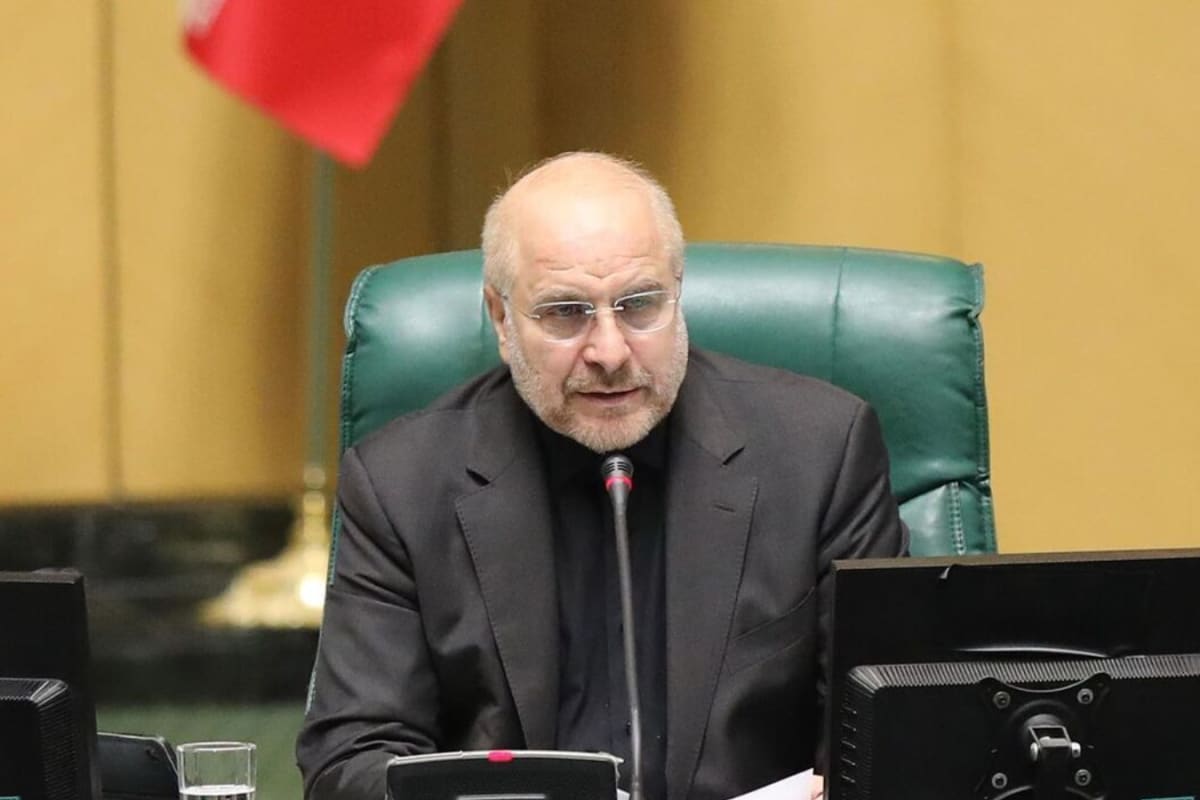
‘Negotiation Is Not Capitulation’: Iran Leaves Door Open For Diplomacy Amid US Attacks Published By, Last Updated: July 16, 2026, 15:05 IST Ghalibaf emphasised that Tehran should strike a balance between responding militarily to US attacks and pursuing diplomatic efforts. Rapid Read Iran Parliament Speaker Mohammad Bagher Ghalibaf (Image: IRNA news agency) US-Iran War: Amid escalating tensions between the United States and Iran after fresh wave of militry strikes, Tehran has indicated that it remains open to diplomacy, with Iran Speaker and chief negotiator Mohammad Bagher Ghalibaf saying negotiations are necessary to safeguard the country’s national interests. In a statement carried by state media, Ghalibaf said that “we must also use the tools of diplomacy and negotiations to achieve and realise our national interests," and added that “negotiations at this stage do not amount to capitulation". He further emphasised that Tehran should strike a balance between responding militarily to US attacks and pursuing diplomatic efforts. “We must create coordination between the military and diplomatic tracks, and we must fear neither war nor negotiations.
War and negotiations are two methods of protecting the national interest," he said. Ghalibaf’s statement is being seen as an attempt to balance Iran’s military response with a willingness to engage in dialogue, even as tensions between Washington and Tehran continue to escalate. Meanwhile, Iranian Foreign Minister Abbas Araghchi travelled to Qatar to attend the funeral of former Emir Sheikh Hamad bin Khalifa Al Thani. As Qatar has previously acted as a mediator between the United States and Iran, the visit has fuelled speculation about possible diplomatic contacts, although neither side has confirmed any meetings. Ghalibaf also acknowledged divisions within Iran over negotiations with the United States. He said he had faced criticism from hardliners for leading talks in the past but defended diplomacy, saying it was pursued under the guidance of Supreme Leader Ayatollah Mojtaba Khamenei and was aimed at advancing Iran’s national interests. The remarks came after the US launched a fresh wave of strikes against Iran on Wednesday, targeting Iranian military capabilities that Washington says are being used to threaten shipping in the Strait of Hormuz.
The US military also said it disabled an empty oil tanker attempting to break the naval blockade on Iran’s ports. Iranian state media reported explosions in several cities, including Bandar Abbas, Chabahar and Rask. Reports also said fresh US strikes hit Bushehr, home to Iran’s only civilian nuclear power plant. Iran’s Revolutionary Guards claimed they targeted the US Fifth Fleet in Bahrain, while Jordan said it intercepted three missiles launched from Iran. News18 Newsletter Handpicked stories, in your inbox A newsletter with the best of our journalism submit Key Questions Answered Will Iran's diplomatic efforts de-escalate US tensions? Iran has indicated openness to diplomacy to de-escalate US tensions, stating that negotiations are necessary for national interests and do not constitute capitulation. What role could Qatar play in future negotiations? Qatar could play a role in future negotiations as it has previously acted as a mediator between the United States and Iran. How might hardliners react to continued talks? Hardliners have previously criticized Parliament Speaker Mohammad Bagher Ghalibaf for leading talks, accusing him of showing weakness or even betrayal.
 The BriefWire