Shielding A Terrorist? Pakistan Backs Hafiz Saeed, Rejects Pahalgam Attack Probe
Shielding A Terrorist? Pakistan Backs Hafiz Saeed, Rejects Pahalgam Attack Probe Reported By, Edited By Last Updated: July 16, 2026, 15:00 IST Tahir Andrabi said
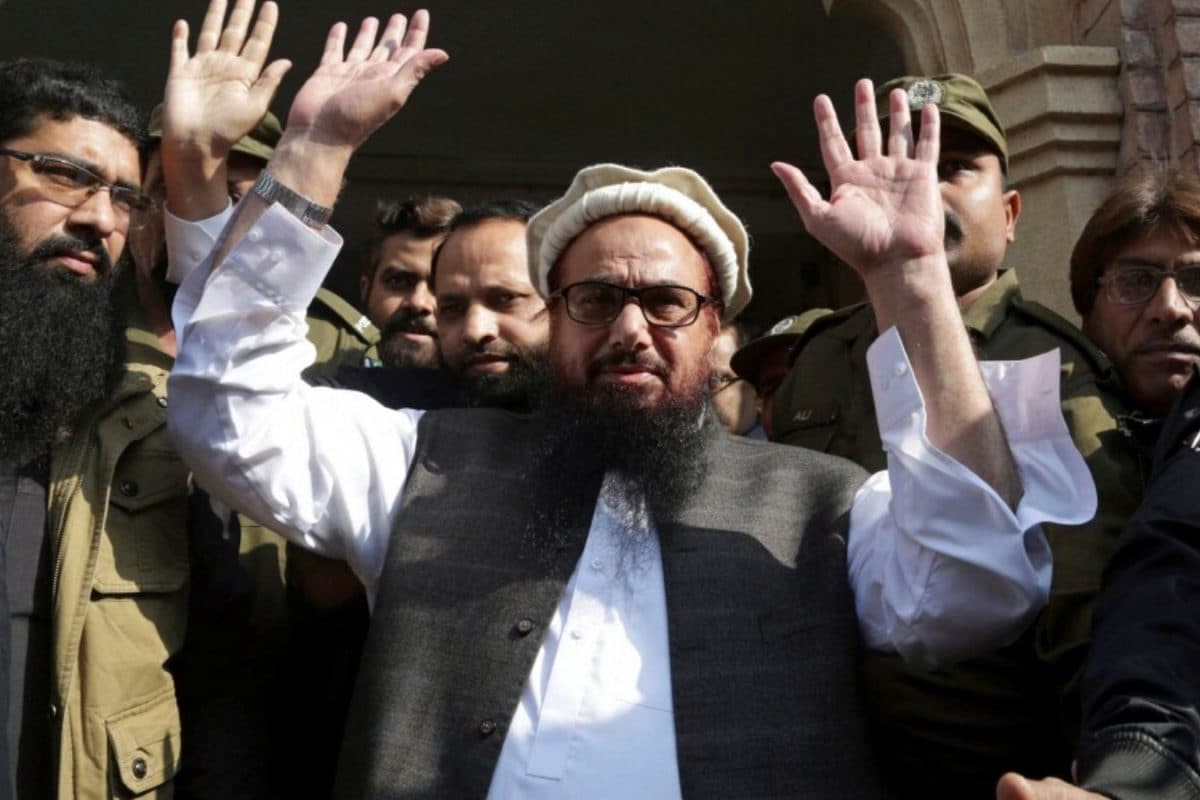
Shielding A Terrorist? Pakistan Backs Hafiz Saeed, Rejects Pahalgam Attack Probe Reported By, Edited By Last Updated: July 16, 2026, 15:00 IST Tahir Andrabi said Pakistan "categorically rejects India's baseless and politically motivated attempts to link Pakistan with the Pahalgam attacks." Rapid Read File photo of Lashkar-e-Taiba chief Hafiz Saeed (Image: PTI/File) Pakistan has mounted an official diplomatic defence of UN-designated terrorist Hafiz Saeed, with its Ministry of Foreign Affairs (MOFA) publicly rejecting India’s investigation into the Pahalgam terror attack and dismissing the Investigation Agency’s (NIA) latest chargesheet against the Lashkar-e-Taiba (LeT) founder. The development comes days after CNN-News18 first exclusively reported that the NIA was preparing to chargesheet Hafiz Saeed and seek to have him declared a proclaimed offender in connection with the April 22 Pahalgam terror attack. The following day, the agency secured a non-bailable warrant (NBW) against Saeed, marking another step in India’s effort to pursue legal action against the LeT chief despite his continued presence in Pakistan. Now, Pakistan’s Foreign Ministry has entered the fray, using its official weekly media briefing to reject the NIA’s findings and defend individuals named in the investigation. MOFA spokesperson Tahir Andrabi described the NIA chargesheet as “a clear afterthought" and alleged that it was part of India’s “continuing policy of using sham legal processes to target the Kashmiri political leadership." He further claimed that reopening a case linked to events dating back nearly three decades demonstrated how India’s investigative and judicial institutions were being used to advance a political agenda.
The spokesperson also objected to the inclusion of deceased Hurriyat leaders in the chargesheet, calling it evidence of what he described as a politically motivated exercise. Pakistan further maintained that no legal action by India could alter what it termed the “internationally recognised disputed status" of Jammu and Kashmir. Beyond rejecting the chargesheet, Pakistan also categorically denied India’s findings linking Pakistan-based terror infrastructure to the Pahalgam massacre. During the briefing, Andrabi said Pakistan “categorically rejects India’s baseless and politically motivated attempts to link Pakistan with the Pahalgam attacks" and claimed India had failed to produce credible evidence. He repeated Islamabad’s demand for what it called an independent and transparent investigation, while accusing New Delhi of using the issue for domestic political purposes. However, according to top intelligence sources, Pakistan’s latest diplomatic intervention is aimed at preserving the deniability surrounding The Resistance Front (TRF), which investigators say functioned as a proxy of Lashkar-e-Taiba. Sources said that the international narrative has shifted significantly, with TRF now widely recognised as a legal alias of Hafiz Saeed’s LeT, weakening Pakistan’s long-standing claim that the group operates independently. They argue that Islamabad’s public defence reflects concerns that the NIA investigation has substantially eroded this position. According to the investigation, the NIA has gathered multiple layers of evidence linking the attack to Pakistan-based handlers.
 The BriefWire