US Cyclospora outbreak: What is fresh produce and why eating raw foods can be risky
A fresh salad, a bowl of berries, or sliced cucumbers may seem like some of the healthiest foods you can eat. However, the recent Cyclospora
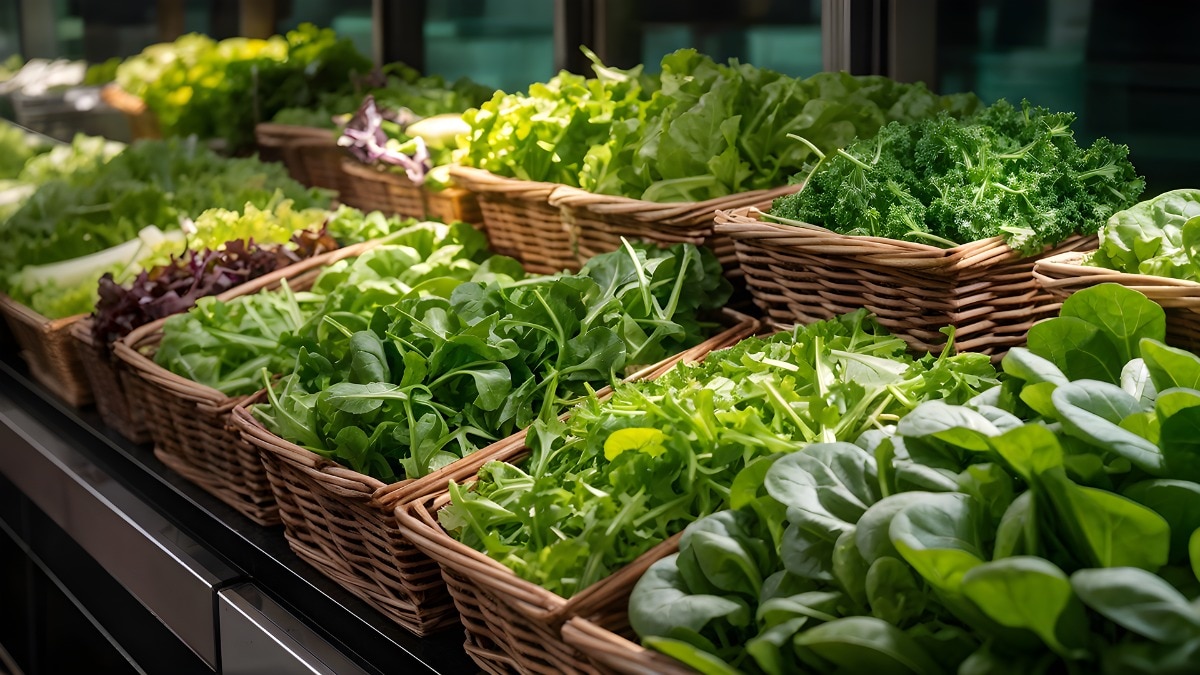
A fresh salad, a bowl of berries, or sliced cucumbers may seem like some of the healthiest foods you can eat. However, the recent Cyclospora outbreak in the United States has highlighted an important food safety issue: even healthy foods can become contaminated before they reach your plate. Health authorities are investigating the outbreak after lettuce emerged as a possible source of infection. While the investigation is still ongoing, experts say the incident is a reminder that raw fruits and vegetables require proper handling, washing, and storage to reduce the risk of foodborne illnesses. Read Full Story The good news is that there is no need to stop eating fruits and vegetables. Instead, understanding what "fresh produce" means and following a few simple hygiene practices can go a long way in protecting yourself and your family. WHAT IS FRESH PRODUCE? Fresh produce refers to fruits and vegetables that are sold fresh and are often eaten raw or with very little cooking. These foods are rich in vitamins, minerals, antioxidants and fibre, making them an important part of a healthy diet. According to Dt. Divya Jain, Senior Dietitian at CK Birla Hospitals, Jaipur, fresh produce includes Lettuce Spinach Cabbage Coriander Mint Tomatoes Cucumbers Berries Other salad vegetables and herbs "These foods are packed with nutrition, since we often eat them raw, they do not receive the necessary heat treatment that can help get rid of harmful microorganisms," she explains.
WHY CAN FRESH PRODUCE BECOME CONTAMINATED? Unlike foods that are cooked before eating, raw fruits and vegetables do not undergo heating that can kill parasites, bacteria or viruses. Cyclospora is a microscopic parasite that can contaminate produce through Contaminated irrigation or washing water Poor hygiene during harvesting Improper handling while packaging Contamination during transportation or storage Because the parasite is invisible to the naked eye, a fruit or vegetable may look perfectly fresh and clean while still carrying the infection. SHOULD YOU STOP EATING RAW FRUITS AND VEGETABLES? The answer is no. Experts stress that fresh fruits and vegetables remain an essential part of a balanced diet. The focus should be on making them safer to eat rather than avoiding them altogether. "People should not stop eating fruits and vegetables. The emphasis should be on food safety," says Divya Jain. HOW CAN YOU REDUCE THE RISK? Simple food safety practices can significantly lower the chances of infection. 1. Wash produce thoroughly Always wash fruits and vegetables under clean running water before eating, peeling or cutting them. 2. Peel when possible Removing the outer skin of fruits like mangoes, oranges and melons can reduce contamination on the surface.
 The BriefWire