Skyroot’s Vikram-1: India’s First Private Orbital Rocket To Launch On July 18
Skyroot’s Vikram-1: India’s First Private Orbital Rocket To Launch On July 18 Reported By, Edited By Last Updated: July 16, 2026, 14:50 IST The mission
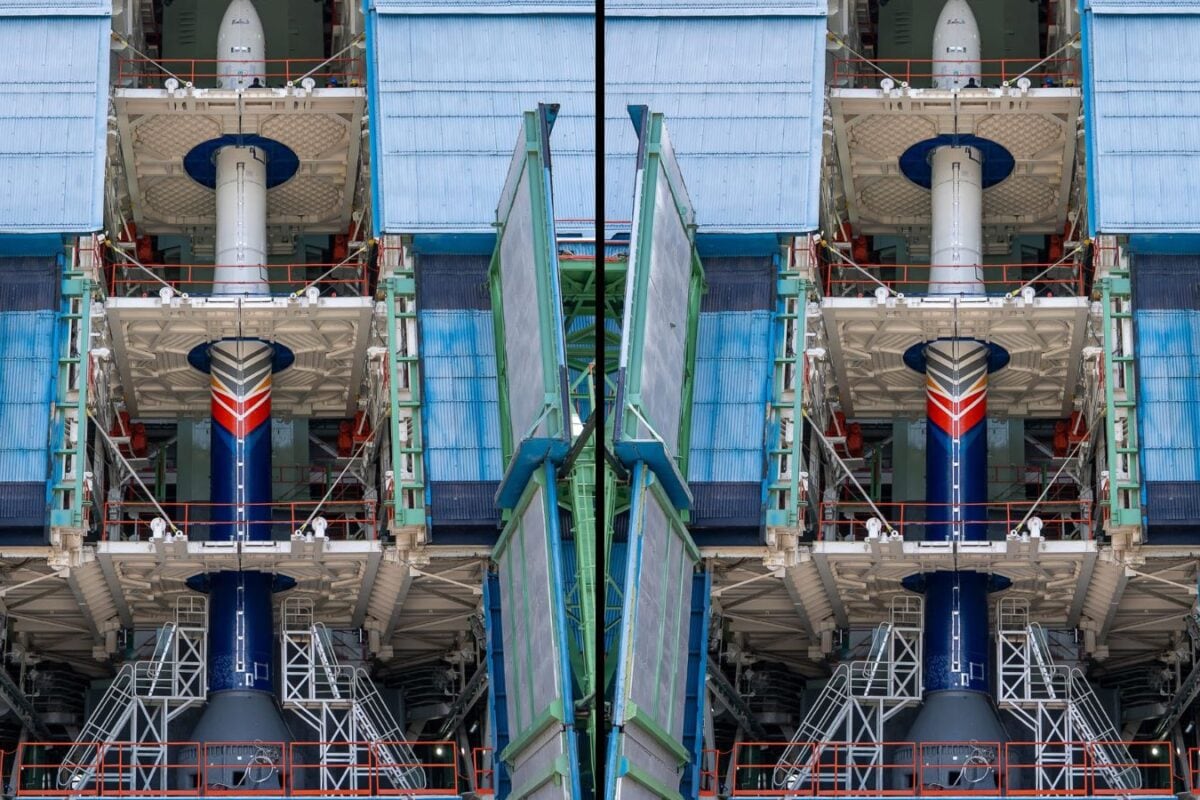
Skyroot’s Vikram-1: India’s First Private Orbital Rocket To Launch On July 18 Reported By, Edited By Last Updated: July 16, 2026, 14:50 IST The mission, called Aagaman, marks the arrival of India's private sector in the global launch business Rapid Read Vikram-1 is a seven-storey-tall, multi-stage orbital launch vehicle built with an all-carbon composite structure. (News18) Skyroot Aerospace’s maiden test flight of Vikram-1 will attempt to launch from the first launch pad at Satish Dhawan Space Centre, Sriharikota, on July 18, at 11.30am. This will be the first time an orbital-class rocket, fully designed and developed by a private player, will attempt to fly from Indian soil. The authorities have issued the necessary airspace and maritime notices, formally designating the restricted zones along Vikram-1’s ascent and impact corridor for launch day. The mission, called Aagaman, marks the arrival of India’s private sector in the global launch business.
“We have done everything that could be done to test Vikram-1 on ground. Now we are eager to see how Vikram-1 performs in real flight environment for the first time. This is our first test flight, and we will be getting valuable data from it. We are excited to see this through," said Pawan Kumar Chandana, Co-founder & CEO, Skyroot Aerospace. This is Skyroot’s second mission following the successful suborbital flight of Vikram-S, the first private rocket to reach space from Indian soil, on November 18, 2022. Vikram-1 will carry technology demonstration payloads from Grahaa Space, Cosmoserve, DCubed and Skyroot’s own SCOPE, along with Cosmos Diamonds’ artwork “Cosmic Bloom" and a micro-art piece.All stages of Skyroot’s Vikram-1 have been successfully integrated and stacked on the launch pad. Following which, the final integrated checks of the vehicle on the launch pad from Skyroot’s launch control centre have been completed along with the interface checks with all the telemetry ground stations and tracking radars.
Vikram-1 is a seven-storey-tall, multi-stage orbital launch vehicle built with an all-carbon composite structure and powered by in-house developed propulsion systems, including 3D-printed engines and high-thrust solid-fuel rocket boosters. Designed to carry small satellites weighing up to 350 kg to Low Earth Orbit (LEO), its first test flight is targeting a 450 km orbit at 60° inclination. “What we are aiming to do on July 18 is bigger than a single launch. It represents the hopes and hard work of around 1,000 people, the contributions of over 400 suppliers, and nearly 3,000 days of resolve to build a global offering from India. This test flight will show us how every technology we have developed over the years performs in real-world conditions," said Naga Bharath Daka, Co-founder & COO, Skyroot Aerospace. News18 Newsletter Handpicked stories, in your inbox A newsletter with the best of our journalism submit About the Author Srishti Choudhary Srishti Choudhary, Senior Assistant Editor at CNN-News18 specializes in science, environment, and climate change reporting.
 The BriefWire