Ring Of Fire's Heart: This Country Has Asia's Most Active Volcanoes. Any Guesses?
Ring Of Fire's Heart: This Country Has Asia's Most Active Volcanoes. Any Guesses? Published By, Last Updated: July 16, 2026, 14:10 IST Trapped in a
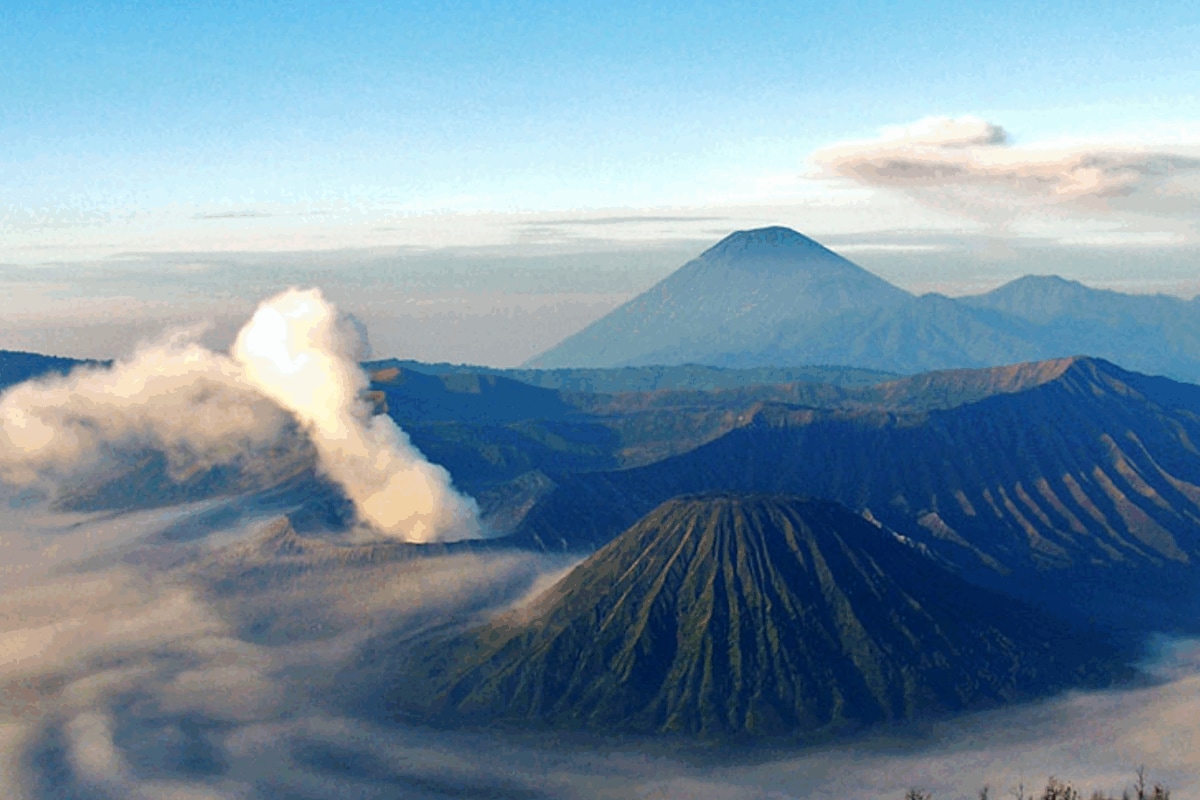
Ring Of Fire's Heart: This Country Has Asia's Most Active Volcanoes. Any Guesses? Published By, Last Updated: July 16, 2026, 14:10 IST Trapped in a three-way tectonic collision, Indonesia is home to over 130 active volcanoes. Here's the science behind Asia's most volatile geological hotspot. Rapid Read Indonesia's unique subduction zones produce highly viscous, silica-rich magma. When it comes to raw, explosive geology, one country in Asia stands completely unchallenged. Indonesia is home to roughly 130 active volcanoes- the highest concentration of active volcanic systems anywhere in Asia. Spanning a massive 3,000-kilometer arc, this sprawling archipelago doesn’t just sit on a geological fault line. It serves as the primary collision zone for some of the most aggressive tectonic shifts on the planet. 1. The Tectonic Triple Threat The secret behind Indonesia’s hyper-active volcanic landscape lies deep beneath the ocean floor. While many volcanic areas are formed by the interaction of two tectonic plates, Indonesia is trapped in a violent, multi-directional squeeze between three major tectonic plates: The Eurasian Plate (sliding slowly to the south), the Indo-Australian Plate (thrusting aggressively northward) and the Philippine Sea Plate (shoving westward) Read more: Most Expensive Weather In The Universe: Does It Rain Diamonds On Neptune And Uranus?
As the heavy oceanic crust of the Indo-Australian Plate plunges beneath the lighter Eurasian Plate, it melts under extreme mantle temperatures. This molten rock (magma) is highly pressurized and rich in gases, forcing its way upward to create the iconic, cone-shaped stratovolcanoes that define the Indonesian landscape. 2. The Infamous Ancestors Of Global Catastrophe Indonesia’s unique subduction zones produce highly viscous, silica-rich magma. This thick magma traps volcanic gases, causing immense pressure to build up over centuries until it erupts with cataclysmic force. This specific chemical makeup is why Indonesia is responsible for the most violent volcanic eruptions in recorded human history Unlike empty volcanic zones in Alaska or remote parts of Chile, Indonesia’s volcanoes erupt in highly populated areas. Because volcanic ash decomposes into incredibly fertile, nutrient-rich soil, millions of farmers choose to live directly on the slopes of active peaks. It is estimated that more than 9 million Indonesians live within just 10 kilometers of an active volcano.
Read more: 3,300 Years Ago, Someone Invented Crotch: The Mind-Blowing Story Of World’s Oldest Pair Of Pants To manage this constant threat, the country relies on the Volcanological Survey of Indonesia, which constantly monitors active peaks like Mount Merapi- the nation’s most active and hazardous volcano- using seismic sensors, gas detectors and thermal imaging. News18 Newsletter Handpicked stories, in your inbox A newsletter with the best of our journalism submit Key Questions Answered What are the risks of living near an active volcano? Living near an active volcano poses risks including destruction from lava, toxic gases, ash, and volcanic mudflows known as 'lahar'. Volcanic ash can travel for kilometers, and eruptions can cause widespread devastation, destroying trees and bridges. How does Indonesia monitor its many active volcanoes? Indonesia monitors its active volcanoes using the Volcanological Survey of Indonesia, which employs seismic sensors, gas detectors, and thermal imaging to observe peaks like Mount Merapi. The country has the highest concentration of active volcanoes in Asia, with over 130 peaks.
 The BriefWire