Gaganyaan Mission: ISRO Battles Scientist Exodus To Keep India's Human Spaceflight On Course
Gaganyaan Mission: ISRO Battles Scientist Exodus To Keep India's Human Spaceflight On Course Published By, Last Updated: July 16, 2026, 11:28 IST The DoS has
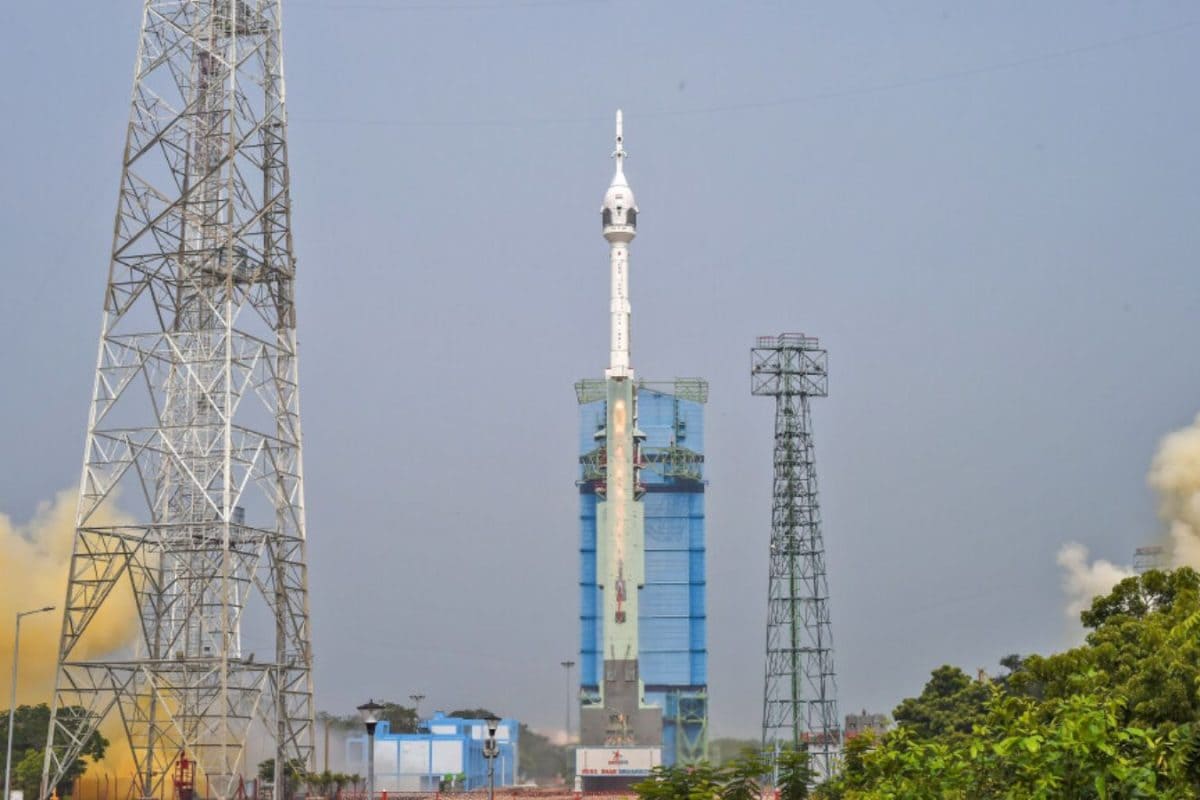
Gaganyaan Mission: ISRO Battles Scientist Exodus To Keep India's Human Spaceflight On Course Published By, Last Updated: July 16, 2026, 11:28 IST The DoS has observed that the increasing number of resignations from scientists and engineers working on Gaganyaan and other key programmes had become a matter of concern Rapid Read To support manned missions, ISRO is planning to build a strong, secure, and highly reliable communication network. (Representational Image: PTI) When Prime Minister Narendra Modi announced the Gaganyaan programme from the Red Fort in 2018, the goal was ambitious: make India only the fourth nation to independently send humans into space. The first crewed mission was originally targeted for 2022, coinciding with the 75th year of India’s Independence. That deadline has since slipped several times, first because of disruptions caused by the Covid-19 pandemic and later due to the extensive testing and certification required for a human spaceflight programme. As of July 2026, ISRO is expected to carry out the first uncrewed Gaganyaan mission by the end of 2026 or in 2027, with the crewed mission to follow only after a series of successful test flights. Against this backdrop, reports of a wave of resignations among ISRO scientists have put the spotlight on a challenge that is less visible than rocket launches but equally crucial: retaining the people behind the mission. According to a report in The Times of India, more than 100 scientists have resigned from ISRO in recent months, many of them associated with Gaganyaan and other strategically important programmes.
In response, the Department of Space (DoS) issued an internal memorandum on July 14 tightening rules governing resignations and voluntary retirement for scientists working on flagship missions. Why Gaganyaan Is Unlike Any Other ISRO Mission Unlike Chandrayaan or Mangalyaan, Gaganyaan is a human spaceflight mission, where every system must meet stringent safety standards because astronauts’ lives are at stake. The programme involves developing and integrating complex technologies, including the crew module, environmental control and life-support systems, crew escape systems, avionics, navigation, human-rated launch vehicles, mission operations, re-entry technology and recovery mechanisms. Each component undergoes multiple rounds of testing before it is certified for flight. ISRO has already completed thousands of ground tests and recently cleared three major qualification tests for crew module systems, marking another milestone in preparations for the mission. Before astronauts fly, the agency plans multiple uncrewed demonstration missions to validate every critical system. Why The Resignations Of Scientists Matter The Department of Space has not said that the resignations have delayed Gaganyaan. Nor has ISRO officially linked staff departures to any change in mission timelines. However, the government’s latest memorandum makes clear that it considers experienced scientific manpower critical to the successful execution of national missions. The DoS has observed that the increasing number of resignations from scientists and engineers working on Gaganyaan and other key programmes had become a matter of concern, prompting it to withdraw the powers delegated to directors of ISRO centres in 2020 to approve resignations and voluntary retirement requests.
 The BriefWire