Parliament's New Arithmetic: Can NDA Push Big-Ticket Reforms This Monsoon Session?
Parliament's New Arithmetic: Can NDA Push Big-Ticket Reforms This Monsoon Session? Written By, Last Updated: July 16, 2026, 10:55 IST The BJP must rely on
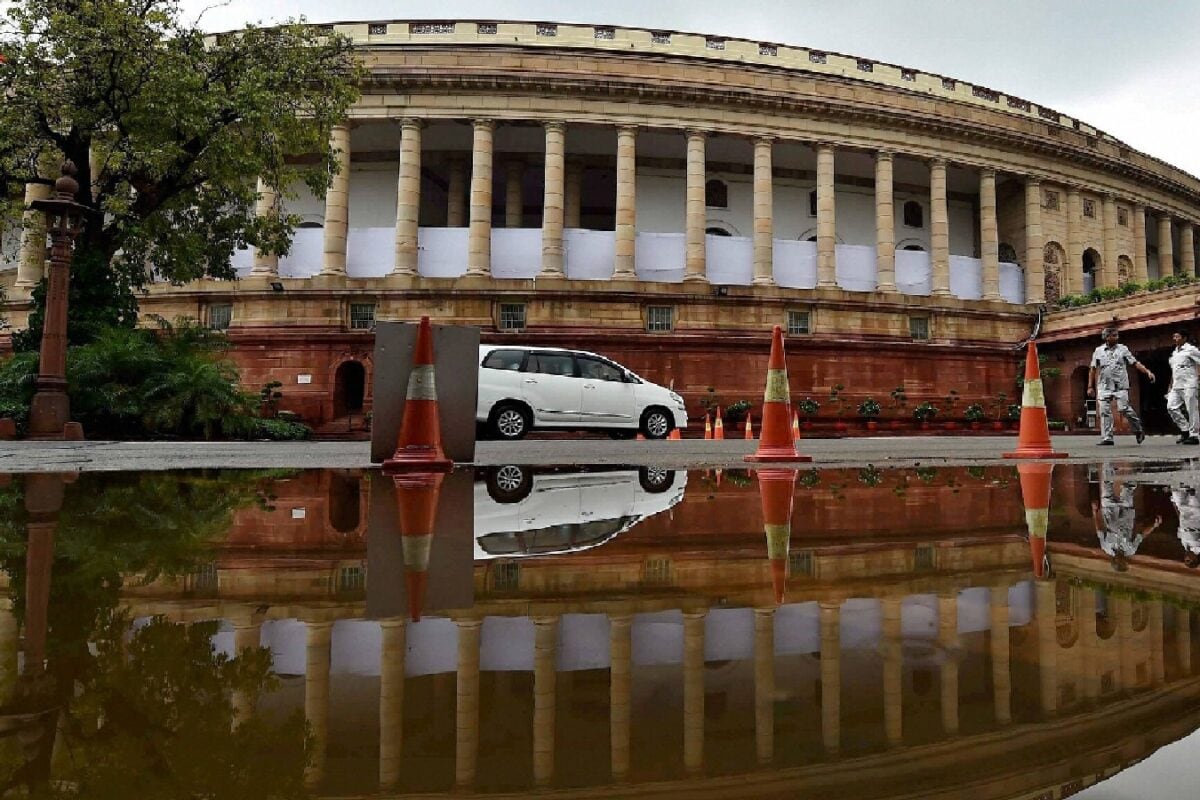
Parliament's New Arithmetic: Can NDA Push Big-Ticket Reforms This Monsoon Session? Written By, Last Updated: July 16, 2026, 10:55 IST The BJP must rely on a combination of regional party support, strategic abstentions and reduced attendance from the Opposition if it decides to push constitutional amendments Rapid Read The Centre is hopeful of securing issue-based support from sections of the opposition as it prepares to reintroduce the two Constitution amendment bills that failed to secure a two-thirds majority earlier this year. (IMAGE: PTI FILE) The Narendra Modi government is preparing for one of its biggest legislative tests since returning to power for a third term. Reports suggest it could revive contentious constitutional amendment bills during the Monsoon Session, including the long-pending One Nation, One Election proposal and legislation linked to delimitation. Unlike ordinary legislation, however, these bills cannot be passed on the strength of a simple majority. They require a special majority, making every MP, every vacancy and every political realignment crucial. That is why the parliamentary numbers game has become the biggest story ahead of the session. Why Is The Two-Thirds Mark So Important? A constitutional amendment bill must clear two hurdles in each House of Parliament. It needs the support of more than half of the total membership of the House and at least two-thirds of the members present and voting. That is precisely where the government stumbled in April. The Constitution (131st Amendment) Bill, which sought to pave the way for women’s reservation after fresh delimitation and an expansion in the strength of the Lok Sabha and state assemblies, secured 298 votes in favour against 230, but still fell 54 votes short of the special majority required.
A total of 528 MPs participated in the vote, making the two-thirds mark 352. The defeat demonstrated that while the NDA could comfortably win ordinary votes, it still lacked the numbers for constitutional changes. So, What Has Changed Since April? Quite a lot. Over the past three months, the political landscape has shifted dramatically, not because of fresh general elections, but due to defections, party splits, changing alliances and parliamentary vacancies. These developments have strengthened the NDA while steadily shrinking the Opposition’s effective strength. 1. The Trinamool Split: Perhaps the biggest change has come from West Bengal. Twenty rebel Trinamool Congress MPs have broken away to form the Common People’s Initiative (NCPI) and have pledged support to the NDA. If the Speaker formally recognises the merger before the session, the ruling alliance’s numbers in the Lok Sabha will receive a substantial boost while the Opposition loses one of its largest blocs. 2. Shiv Sena (UBT) Loses MPs: Another boost for the NDA has come from Maharashtra. Six MPs from Uddhav Thackeray’s Shiv Sena faction have moved to Eknath Shinde’s Shiv Sena, an NDA constituent. Once recognised, these MPs will shift from the Opposition benches to the ruling alliance. 3. INDIA Bloc Loses Key Partner: The Congress-DMK alliance has collapsed after more than a decade, fundamentally altering Opposition politics. Although the DMK has not formally joined the NDA, its exit from the INDIA bloc means the Opposition can no longer automatically count on the support of its 22 Lok Sabha MPs. Reports suggest the BJP hopes to secure issue-based backing from the party on select legislation.
 The BriefWire