Iran may be overplaying its hand on Hormuz
Let’s be honest. Iran has US President Donald Trump in a headlock over the Strait of Hormuz. The White House is fighting to reopen a
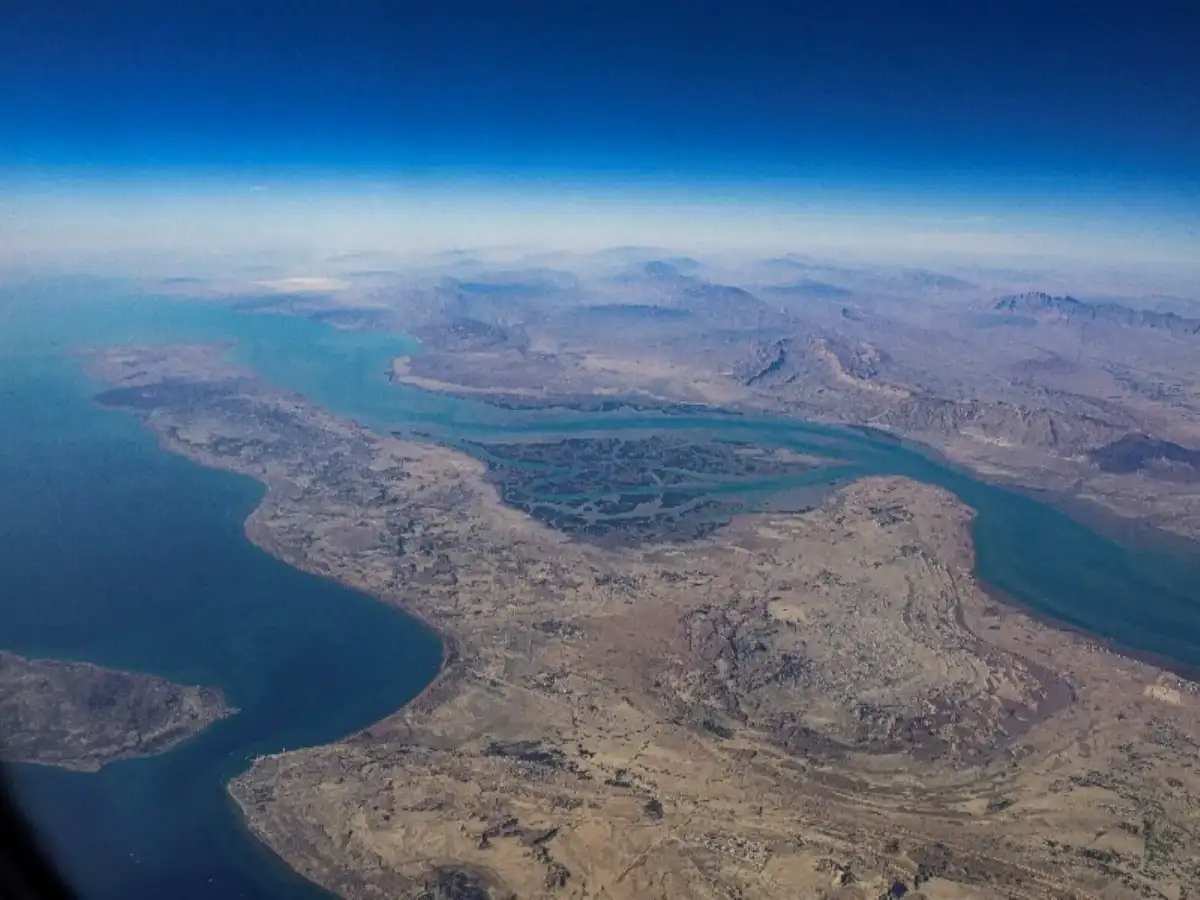
Let’s be honest. Iran has US President Donald Trump in a headlock over the Strait of Hormuz. The White House is fighting to reopen a waterway that wasn’t closed before the conflict started. But Tehran risks overplaying its hand: If it continues to squeeze, it will lose strategic leverage — not immediately, but over the next five years or so as its neighbors build more bypass routes.Don’t take my word for it. Listen to what Iranian officials say themselves. “The strait is valuable while the traffic through it increases day by day, not when it decreases,” Mohammad Bagher Ghalibaf, the Iranian parliament speaker and top negotiator, told state television earlier this month. “We must not turn the strait against itself.”And yet, that’s precisely what the Islamic Republic is doing. By striking oil tankers off the coast of Oman, it has convinced every one of the Persian Gulf states, as well as oil importers including deep-pocketed nations such as China and Japan, that the only way to guarantee future oil flows is to invest billions of dollars in new pipeline capacity.Also read | India tells seafarers to steer clear of Hormuz StraitSure, Iran will win some short-term battles; the Islamic Revolutionary Guard Corps. can prevent ships from crossing the strait, maybe even for an extended period. If so, oil prices will increase, piling economic and political pressure on Trump. Only the use of the US strategic petroleum reserves, alongside China reducing its oil purchases dramatically, will stop the energy market from exploding. But over the longer term, Iran’s ability to hold the global economy to ransom will fade as transit overground displaces seaborne passage via Hormuz — which will happen relatively quickly.132429494Before the war started, Hormuz carried about 20% of the world’s oil, split between 15 million barrels a day of crude and another five million barrels of petroleum-refined products.
Iran itself accounted for about three million barrels a day of crude and refined products, leaving 17 million barrels from its neighbors traversing the strait. Of that, Saudi Arabia and the United Arab Emirates have already re-routed about five million barrels a day via pre-existing pipelines.So the race is on to find alternative routes for the remaining 12 million daily barrels needing to avoid the waterway. Oil pipelines are straightforward engineering projects, and can be built at what feels like lightning speed compared with other infrastructure. Consider, for example, the so-called Tapline, a 1,640-kilometer (1,019-mile) conduit that once ran from Saudi Arabia to Lebanon, crossing on the way Jordan and Syria. It was built in just three-and-a-half years and was completed in 1950. In the 1980s, other major regional pipelines, including the two phases of the Iraq-Saudi pipeline, or IPSA, were built in less than four years.But politics, rather than steel welding and pumping capacity, pose the main obstacle to construction. Projects become pieces in a game of Middle East diplomacy the moment they need to cross an international border — and only Riyadh and Abu Dhabi can build new pipelines within their own territory. Everyone else must cross at least one border, if not more, to reach the sea.Also read | Iran shuts door on US talks, vows defence focusFor decades, the region has struggled to build — and then operate — regional culverts. The rusted remnants of old channels, built from the 1950s to the 1990s and since abandoned, bear witness to the numerous failed projects to ship oil from the Middle East bypassing Hormuz.
 The BriefWire