Smell Of Alcohol On Driver Not Enough To Charge Him With Drunk Driving: Uttarakhand HC
Smell Of Alcohol On Driver Not Enough To Charge Him With Drunk Driving: Uttarakhand HC Published By, Last Updated: July 16, 2026, 09:30 IST The
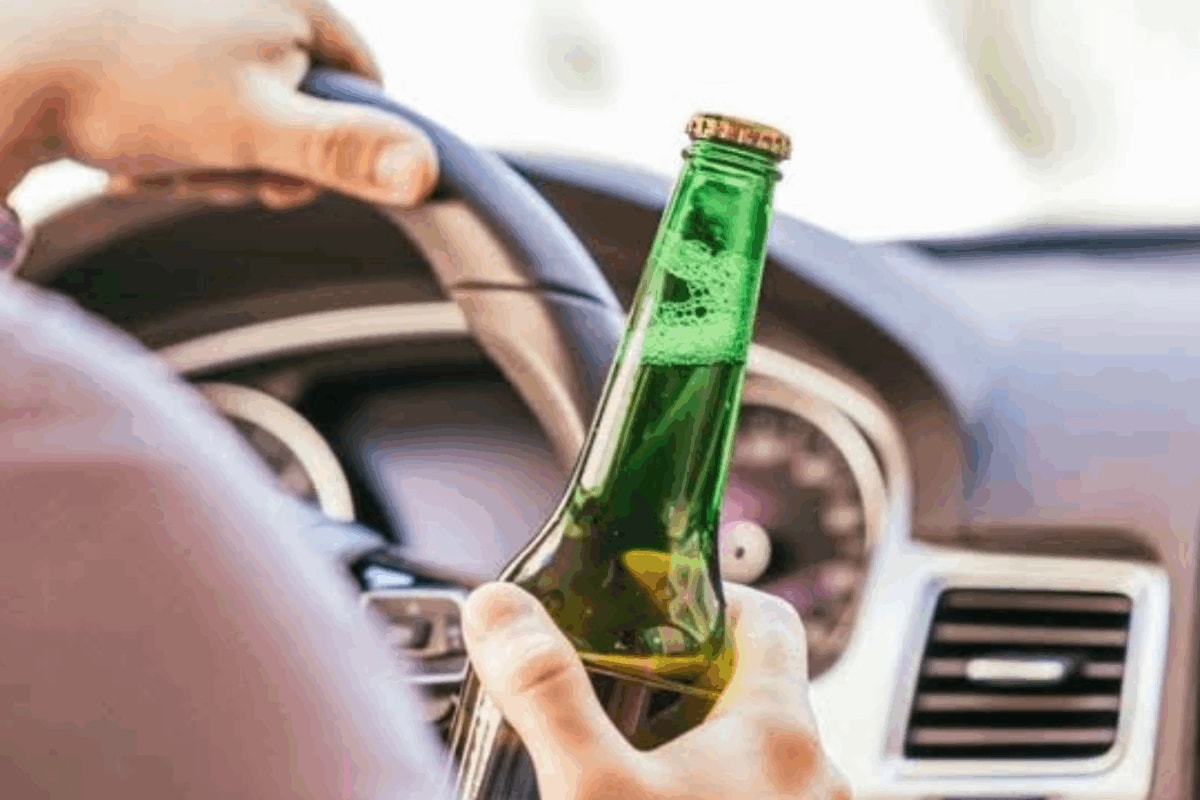
Smell Of Alcohol On Driver Not Enough To Charge Him With Drunk Driving: Uttarakhand HC Published By, Last Updated: July 16, 2026, 09:30 IST The court observed that "scientific evidence, such as a breathalyser or blood alcohol test, is necessary before a charge of culpable homicide can be framed." Representative image of drunk driving. The Uttarakhand High Court has held that the mere smell of alcohol on a driver cannot be treated as sufficient evidence to sustain a charge of drunk driving, observing that scientific tests are necessary to establish intoxication before serious criminal charges can be framed, as per a report published in The Times Of India. Hearing a criminal revision petition filed by Amar Singh, a resident of Chamoli, Justice Alok Mahra ruled that “subjective perception of the smell of alcohol on a driver is insufficient to sustain a charge of drunk driving", adding that it only indicates alcohol consumption and does not prove intoxication. The court further observed that “scientific evidence, such as a breathalyser or blood alcohol test, is necessary before a charge of culpable homicide can be framed." Also Read: Supreme Court Raps Patna HC Over ‘Grabbing Breast Not Attempt To Rape’ Ruling, Cites ‘Lack Of Research’ The High Court set aside the charge under Section 105 of the Bharatiya Nyaya Sanhita (BNS), which deals with culpable homicide.
However, it upheld charges under Sections 125(a) (causing hurt), 125(b) (causing grievous hurt) and 281 (rash or negligent driving), while directing the trial court to expedite the proceedings. The case stems from a road accident in Chamoli, where Singh was driving a vehicle from Badrinath when it overturned after one of its tyres burst. The accident claimed the life of one passenger and left several others injured. A sessions court in Chamoli had earlier charged Singh under multiple provisions of the BNS, including Section 105, on the allegation that he was driving under the influence of alcohol at the time of the accident. However, after reviewing the evidence and the manner in which the investigation was conducted, the High Court found the culpable homicide charge to be “unsustainable." The court relied on the technical inspection report as well as eyewitness testimonies, both of which indicated that Singh had shown no visible signs of intoxication and had been driving “steadily" throughout the journey. The High Court also noted that although the medical report mentioned the smell of alcohol, investigators had not conducted either a breathalyser test or a blood alcohol test to scientifically determine whether Singh was intoxicated.
 The BriefWire