The Hormuz Conundrum: Can UAE Shield India's Energy Supplies From West Asia's Growing Instability?
The Hormuz Conundrum: Can UAE Shield India's Energy Supplies From West Asia's Growing Instability? Published By, Last Updated: July 16, 2026, 08:12 IST US-Iran War
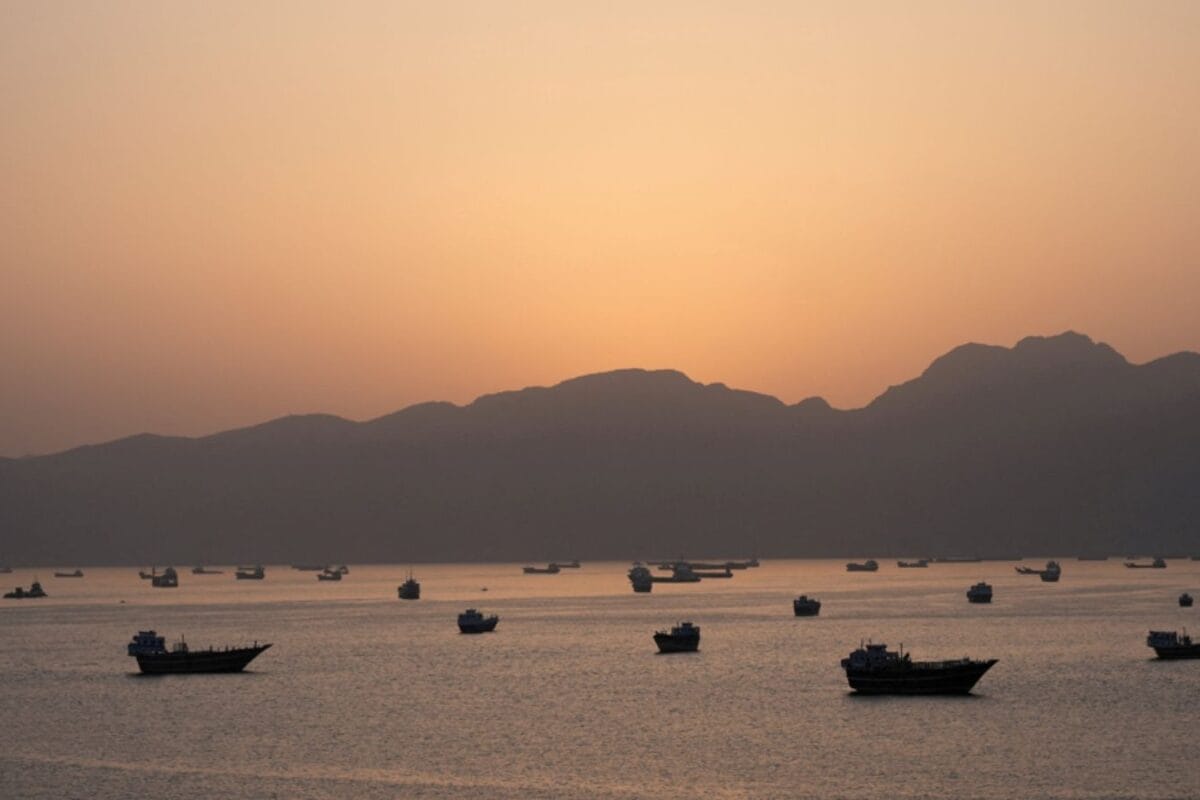
The Hormuz Conundrum: Can UAE Shield India's Energy Supplies From West Asia's Growing Instability? Published By, Last Updated: July 16, 2026, 08:12 IST US-Iran War News: Unlike ports located inside the Persian Gulf, Fujairah sits on the UAE's eastern coast, facing the Gulf of Oman and the Arabian Sea. Rapid Read Ships and boats in the Strait of Hormuz, Musandam, Oman. (Reuters photo) US-Iran War News: As tensions continue to simmer in West Asia, a critical question is confronting India’s energy planners: can alternative routes through the United Arab Emirates reduce the country’s dependence on the Strait of Hormuz? For decades, the narrow waterway between Iran and Oman has served as the primary gateway for a significant share of India’s crude oil, liquefied natural gas (LNG) and cooking gas imports. But recurring conflicts, attacks on commercial vessels and threats to maritime traffic have again exposed the risks of relying heavily on one of the world’s most strategically sensitive shipping lanes. Against this backdrop, the UAE’s Fujairah and Khor Fakkan ports- located outside the Strait of Hormuz on the Gulf of Oman- are drawing renewed attention.
Together with pipeline infrastructure that allows oil to bypass the strait, these facilities could offer India and other major importers an alternative route for sourcing energy supplies from the region. Why Hormuz Matters? The Strait of Hormuz is often described as the world’s most important oil chokepoint. Every day, millions of barrels of crude oil and petroleum products pass through the narrow passage connecting the Persian Gulf to the Arabian Sea. For India, the significance is hard to overstate. Before the latest conflict in the region, around 60% of India’s crude oil imports, 54% of LNG imports and nearly 90% of LPG imports were routed through the strait. Any disruption can quickly ripple through global energy markets, raising costs for importers and fuelling concerns over supply security. As one of the world’s largest energy importers, India remains particularly vulnerable to such shocks. What Makes Fujairah Different? Unlike ports located inside the Persian Gulf, Fujairah sits on the UAE’s eastern coast, facing the Gulf of Oman and the Arabian Sea. Crucially, ships leaving Fujairah do not need to pass through the Strait of Hormuz.
This advantage is reinforced by the UAE’s Habshan-Fujairah pipeline, which transports crude oil from inland oil fields directly to the coast, enabling exports that bypass the strait altogether. Khor Fakkan offers a similar geographic advantage. Together, the two ports provide an alternative outlet for energy shipments at a time when concerns over maritime security remain elevated. For Indian refiners and importers, these facilities could help maintain access to Gulf energy supplies even during periods of heightened uncertainty. Can These Ports Replace Hormuz? Not entirely. While Fujairah and Khor Fakkan reduce dependence on the strait, they do not eliminate the region’s broader geopolitical risks. The ports can facilitate exports from the UAE and serve as transit hubs for cargo originating elsewhere in the Gulf. They can also support shipments routed through alternative pipeline networks. However, much of West Asia’s energy infrastructure remains interconnected. A major regional conflict would likely affect shipping, insurance costs, freight rates and market sentiment regardless of which port is used. News18 Newsletter Handpicked stories, in your inbox A newsletter with the best of our journalism submit Key Questions Answered Will UAE ports fully replace the Strait of Hormuz for India?
 The BriefWire