Bypassing The Red Tape: How Ajit Doval Transformed BIMSTEC Into A Bilateral Power Play | Exclusive Details
Bypassing The Red Tape: How Ajit Doval Transformed BIMSTEC Into A Bilateral Power Play | Exclusive Details Reported By, Last Updated: July 16, 2026, 00:04
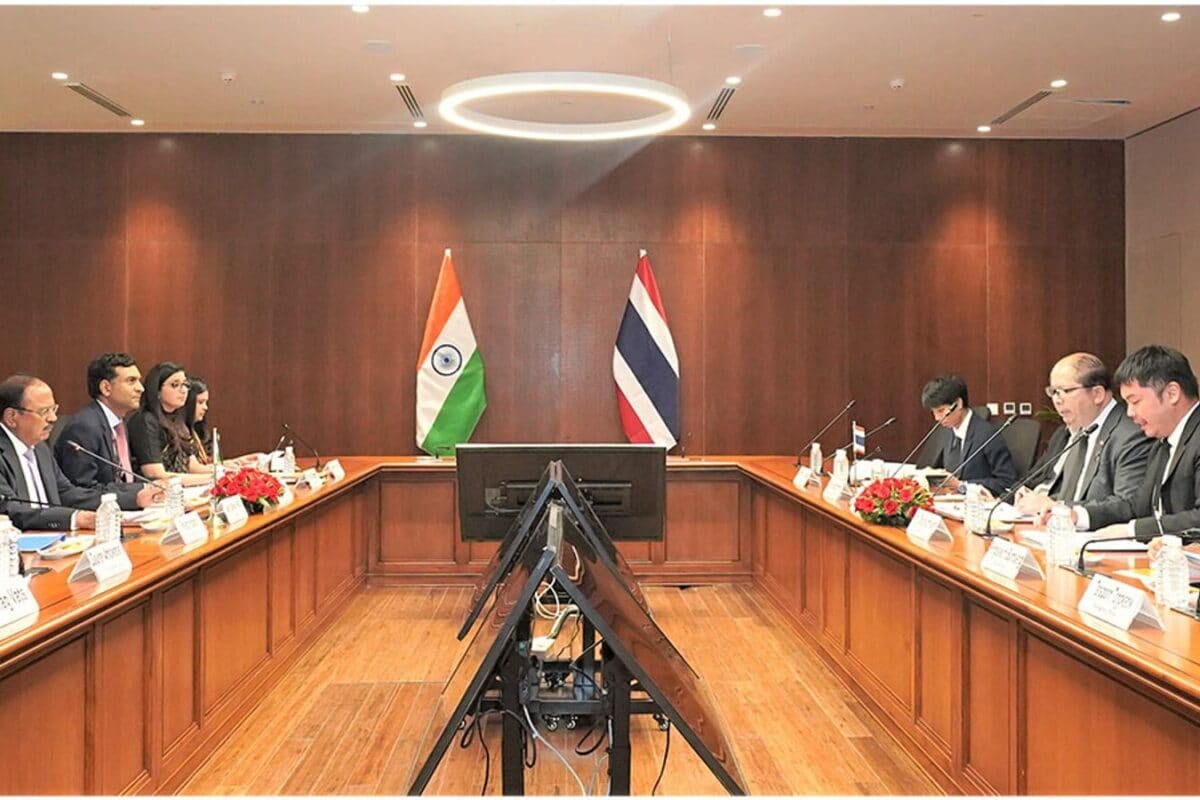
Bypassing The Red Tape: How Ajit Doval Transformed BIMSTEC Into A Bilateral Power Play | Exclusive Details Reported By, Last Updated: July 16, 2026, 00:04 IST In a single day, Doval sat down individually with his counterparts from Sri Lanka, Thailand, and Bangladesh Together, these rapid-fire bilaterals underscore India’s realigned strategy: using broad summits to convene regional partners, but relying on aggressive, targeted bilateral diplomacy to deliver real security outcomes. Image/ANI While large multilateral summits are excellent for generating broad declarations, India’s strategic establishment recognises that the real, actionable work of geopolitics happens behind closed doors. Capitalising on the convenience of the fifth BIMSTEC Security Chiefs Conclave in New Delhi, Security Adviser Ajit Doval bypassed the slow diplomatic red tape typical of large groupings by hosting a series of highly targeted, private bilateral meetings on July 15. In a single day, Doval sat down individually with his counterparts from Sri Lanka, Thailand, and Bangladesh, transforming a multilateral gathering into a swift, calculated effort to secure India’s perimeter and deepen regional trust from the ground up.
The first of these critical sessions was held with Sri Lankan Defence Secretary AVM Sampath Thuyacontha (Retd), focusing squarely on securing India’s vulnerable southern maritime frontier. Given Sri Lanka’s pivotal geographic positioning in the Indian Ocean, through which major global shipping lanes flow, the discussion carried immense strategic weight. Doval pushed for robust maritime agreements and deep security cooperation with Colombo, a move vital not only for protecting these essential Sea Lines of Communication (SLOCs) but also for maintaining a vigilant eye on expanding foreign naval footprints in the region. Shifting the focus eastwards, Doval’s meeting with Thailand’s Security Council Secretary-General, Chatchai Bangchuad, injected practical muscle into India’s “Act East" policy. Moving past abstract diplomatic talk, the two leaders locked down operational frameworks for intelligence sharing, law enforcement coordination, and cybersecurity cooperation. This active regional policing model was explicitly tied to cross-border connectivity infrastructure, particularly the massive India-Myanmar-Thailand Trilateral Highway. Both nations emphasised that the acceleration of cross-border trade and movement requires a heavily safeguarded, coordinated security architecture to thwart transnational crime syndicates looking to exploit these open routes.
 The BriefWire