Taking A Cue From Iran? How Ukraine Is Choking Russia’s ‘Strait Of Hormuz’ In Black Sea Region
Taking A Cue From Iran? How Ukraine Is Choking Russia’s ‘Strait Of Hormuz’ In Black Sea Region Published By, Last Updated: July 15, 2026, 21:52
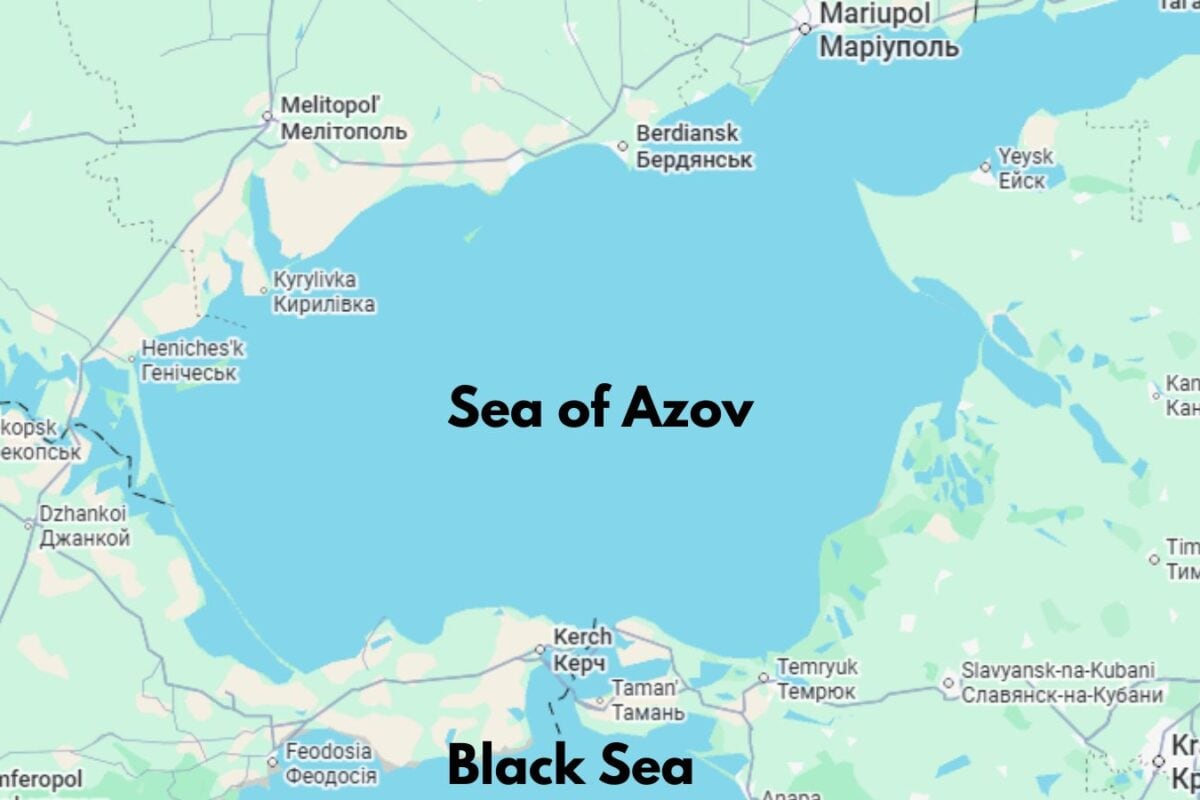
Taking A Cue From Iran? How Ukraine Is Choking Russia’s ‘Strait Of Hormuz’ In Black Sea Region Published By, Last Updated: July 15, 2026, 21:52 IST Ukraine's campaign in the Sea of Azov is targeting Russia's trade and military lifelines, raising fears of major disruptions to grain exports and logistics. Although smaller than the Black Sea, the Sea of Azov plays a critical role in Russia's economy and military logistics. Ukraine appears to be opening a new front in its war with Russia by targeting one of Moscow’s most important maritime logistics corridors — a strategy that some analysts compare to the pressure Iran has exerted through the Strait of Hormuz. A sustained Ukrainian drone and maritime strike campaign has disrupted shipping in the Sea of Azov, a strategically important waterway that serves as a gateway between southern Russia and the Black Sea. The attacks have raised concerns about Russian grain exports, fuel shipments and military logistics, while highlighting Kyiv’s growing ability to strike deep behind Russian lines. What Is Happening In The Sea Of Azov? According to Ukrainian military officials, Kyiv has intensified attacks on Russian vessels operating in and around the Sea of Azov. Robert Brovdi, commander of Ukraine’s drone forces, claimed that Ukrainian forces struck 116 Russian vessels in just nine days, marking a significant escalation in operations targeting Russian maritime traffic. The attacks have reportedly disrupted movement through two crucial chokepoints The Don-Azov Channel, which connects the Sea of Azov to Russia’s inland river and canal network. The Kerch Strait, which links the Sea of Azov with the Black Sea and separates Crimea from mainland Russia. Satellite imagery and vessel-tracking data have shown ships waiting near both access points, indicating significant disruption to maritime traffic.
Why Is The Sea Of Azov So Important? Although smaller than the Black Sea, the Sea of Azov plays a critical role in Russia’s economy and military logistics. Located between southern Ukraine and southern Russia, it acts as a maritime bridge connecting inland Russian waterways to international shipping routes. The network carries grain exports, petroleum products, steel and industrial goods, and agricultural commodities such as sunflower oil. For Russia, the waterway is particularly important because it links agricultural regions in southern Russia to global markets through the Black Sea. Why Analysts Compare It To The Strait Of Hormuz The comparison with the Strait of Hormuz stems from the strategic importance of the route rather than geographical similarities. The Strait of Hormuz is one of the world’s most important energy chokepoints, through which a significant share of global oil exports passes. Any disruption there immediately affects global markets. Similarly, the Sea of Azov serves as a critical export corridor for Russia, particularly for grain. Agricultural market analyst Andrey Sizov noted that roughly one-quarter of Russia’s wheat exports move through the Sea of Azov. Russia is currently the world’s largest wheat exporter, accounting for around one-fifth of global wheat exports. Any prolonged disruption could affect global food markets in much the same way that tensions in Hormuz affect oil markets. “The Black Sea for wheat markets is similar to what the Persian Gulf means for crude oil markets," Sizov said. How Could This Hurt Russia? The economic implications could be significant. If shipping disruptions continue, Russia could face delays in grain exports during the harvest season, higher transportation costs, reduced export capacity and potential losses worth billions of dollars. Wheat futures have already risen in recent days as traders assess the risks posed by disruptions in the Sea of Azov.
 The BriefWire