NMC seeks to bar approvals for medical colleges with incomplete infrastructure
In a bid to protect students, the Medical Commission (NMC) plans to stop granting approvals to medical colleges still under construction or operating with temporary
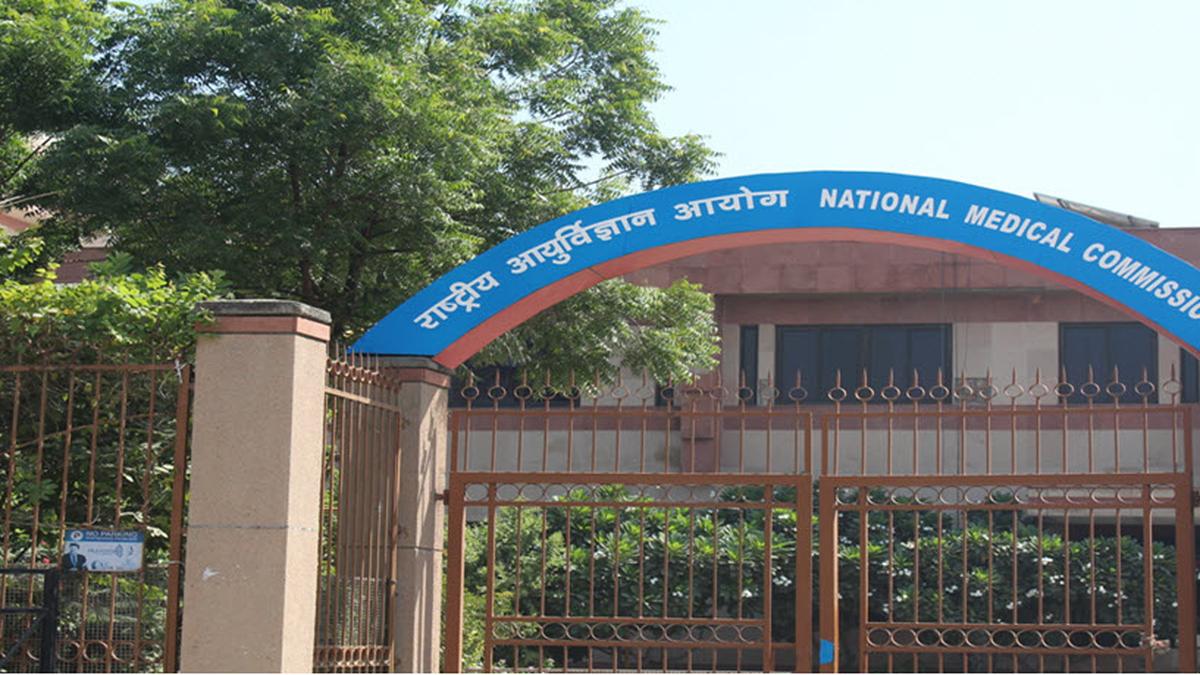
In a bid to protect students, the Medical Commission (NMC) plans to stop granting approvals to medical colleges still under construction or operating with temporary infrastructure, and is seeking to change the rules governing the establishment of new medical colleges. The draft Establishment of New Medical Institutions, Assessment and Rating (Amendment) Regulations, 2026, released for public comments, require applicants to have completed all statutory infrastructure before seeking permission to start an MBBS college. Temporary arrangements for hospitals or college buildings will no longer be permitted, and applications from institutions where construction is still a “work in progress” will not even be processed. Tighter quality, higher quantity The proposed changes come as the regulator has simultaneously notified the MBBS seat matrix for the 2026-27 academic year, setting out the approved intake for undergraduate medical admissions across the country. Together, the two documents aim to tighten quality standards amidst an explosive expansion of medical seats. India has nearly tripled its MBBS capacity over the past decade, with the number of seats rising from 51,348 in 2014 to 1,36,939 for the 2026-27 academic year, according to figures released by the Union Health Ministry.
Changed approach “The rapid expansion of MBBS seats over the past decade has improved access to medical education but has also intensified concerns over infrastructure and quality, prompting the NMC’s latest regulatory overhaul,’’ a senior Health Ministry official said. He added that the current move marks a shift in the regulatory approach adopted over the past few years. While the Centre has aggressively expanded undergraduate medical education to address the shortage of doctors, concerns have repeatedly been raised over colleges receiving permission despite incomplete infrastructure, inadequate faculty, or hospitals that were not fully functional. Several institutions have subsequently faced action by the Medical Assessment and Rating Board (MARB) after deficiencies were detected during inspections. The proposed amendments seek to nip this problem in the bud, at the application stage itself. Campuses must be complete Under the new norms, each applicant will have to demonstrate that the teaching hospital, college buildings and all other statutory infrastructure are fully in place before it files an application.
Institutions relying on temporary buildings or partially completed campuses will no longer qualify for consideration. The draft regulations also tighten the documentation process. Applicants must submit a valid Consent of Affiliation issued by a recognised university, furnish a recent solvency certificate and undertake to create a dedicated corpus fund for running the medical college. Existing medical colleges will also be required to maintain such a corpus fund, the amount of which will be notified separately by the MARB. “Incomplete applications will no longer receive an opportunity for rectification,’’ explained an official. He added that the regulator has also proposed stringent action against institutions attempting to influence the approval process through individuals or agencies, empowering the MARB to immediately stop processing or reject such applications. Explosive growth Meanwhile, the NMC has also notified the MBBS seat matrix for the 2026-27 academic year, taking the total number of undergraduate medical seats (excluding those in Institutes of Importance) to 1,36,939. Counselling authorities have been directed to allot students only against the seats sanctioned by the MARB, preventing admissions beyond the approved capacity.
 The BriefWire