India-linked organized crime gangs pose global challenge
The Bishnoi case shows how India-based transnational organized crime networks have evolved into a global law enforcement concern. The US Federal Bureau of Investigation (FBI)
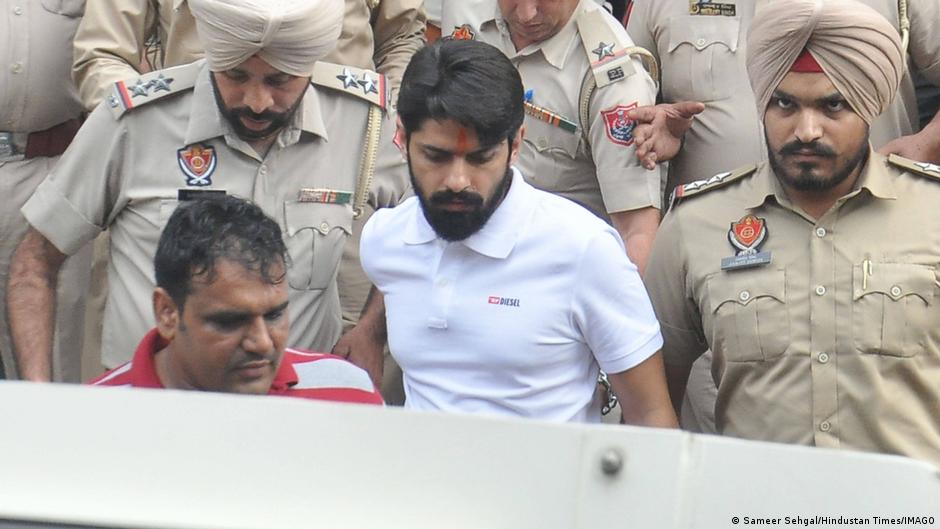
The Bishnoi case shows how India-based transnational organized crime networks have evolved into a global law enforcement concern. The US Federal Bureau of Investigation (FBI) called it "Operation Hard Ball" — the largest international crackdown yet on India-based organized crime gangs. Last week, it led to the arrest of 24 suspects across the US, Canada and Spain and the indictment of 37 defendants. At its center was Lawrence Bishnoi, a jailed Indian gangster whom US prosecutors accuse of directing murders, extortion and international drug trafficking from inside a prison in Gujarat state using smuggled mobile phones. His alleged deputy, Goldy Brar, also known as Satinderjeet Singh Brar, remains a fugitive with a $50,000 (€43,735) FBI reward on his head. From Punjab to North America India on Tuesday welcomed the US indictment of Bishnoi and several associates over the 2023 killing of Sikh separatist leader Hardeep Singh Nijjar in Canada, saying the case underscored the growing threat posed by transnational organized crime. External Affairs Ministry spokesperson Randhir Jaiswal said India and the US shared a "strong and growing" partnership in combating organized crime and terrorism. Why Canada thinks India is behind Sikh leader killing To view this video please enable JavaScript, and consider upgrading to a web browser that supports HTML5 video But experts say the significance of Operation Hard Ball extends far beyond one gang. It reveals how India-based organized crime gangs have evolved from a domestic law-and-order problem into a transnational criminal enterprise spanning North America, Europe and beyond. According to the indictment, the Bishnoi organization used violence, drug trafficking and extortion to build influence among the Indian diaspora. Prosecutors allege the gang demanded millions of dollars from business owners in North America and ordered acts of violence against those who refused to pay.
The indictment also accuses Bishnoi and Brar of directing the 2023 killing of Nijjar outside a gurdwara (Sikhs' place of worship) in Surrey, British Columbia — a murder that plunged India-Canada relations into crisis. The charging document, however, does not allege any Indian government involvement in the killing. A new generation of organized crime India-linked organized crime, however, did not begin with Lawrence Bishnoi. In the 1980s and 1990s, Indian gangster Dawood Ibrahim created a transnational organized crime syndicate — called the D-Company — operating from Dubai and later Karachi, using smuggling, narcotics, extortion and hawala networks that stretched across Asia, the Gulf and Europe. His former lieutenant, Chhota Rajan, built a rival network across Southeast Asia before his arrest in Indonesia in 2015. Those syndicates relied on geographical safe havens, political protection and tightly controlled hierarchies. "Unlike Dawood Ibrahim's D-Company or Chhota Rajan's syndicate, which operated largely through the Dubai-Mumbai axis using smuggling networks centred on gold, silver and hawala, the Bishnoi gang represents a new generation of Indian organized crime," Shreekumar Menon, a renowned counter narcotics specialist, told DW. Its operations stretch across India, Canada and the United States, without the protection of any foreign government. Instead, investigators say it relies on diaspora networks, digital communications, drug trafficking and firearms to sustain extortion rackets and project influence across continents. From snapchat to murder: How criminals recruit teenagers To view this video please enable JavaScript, and consider upgrading to a web browser that supports HTML5 video Menon said the expanding Indian diaspora, particularly in North America, has created new markets and opportunities for criminal networks. Unlike earlier syndicates, the Bishnoi gang operates in a far more technologically sophisticated environment, using encrypted communications and overseas operatives to coordinate activity.
 The BriefWire