Balochistan Independence Calls, PoK Protests: Is Asim Munir's Grip Loosening?
Balochistan Independence Calls, PoK Protests: Is Asim Munir's Grip Loosening? Published By, Last Updated: July 15, 2026, 20:53 IST From separatist calls in Balochistan to
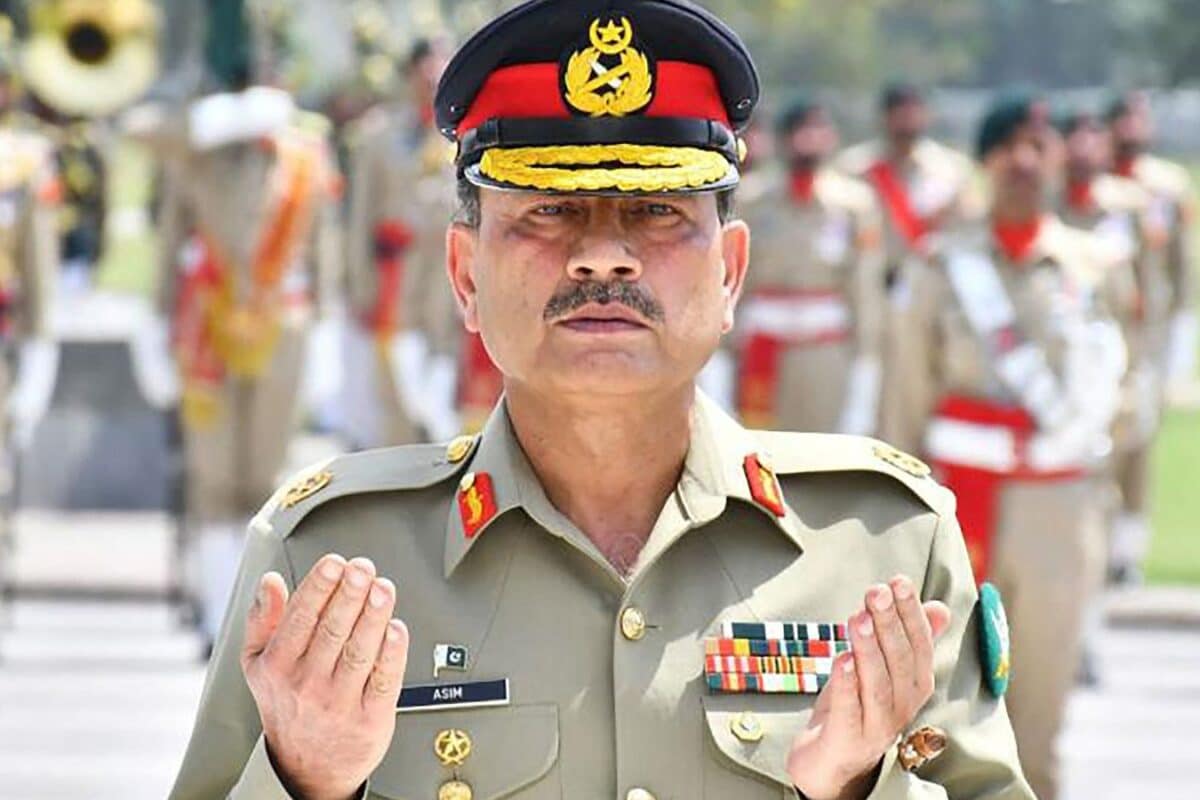
Balochistan Independence Calls, PoK Protests: Is Asim Munir's Grip Loosening? Published By, Last Updated: July 15, 2026, 20:53 IST From separatist calls in Balochistan to mass protests in PoK, Pakistan faces twin crises testing Asim Munir’s leadership authority. Pakistan Army chief Asim Munir faces growing challenges as unrest intensifies in Balochistan and Pakistan-occupied Kashmir. (Photo: AFP file) Pakistan is facing a dual challenge as unrest grows in two strategically important regions — an armed separatist movement in Balochistan and widespread civil protests in Pakistan-occupied Kashmir (PoK). The developments have put the country’s military leadership under intense pressure, with Army Chief and Chief of Defence Forces Field Marshal Syed Asim Munir facing questions over his ability to maintain stability across restive border regions. Munir, who took charge as Chief of Army Staff in November 2022, was to the rank of Field Marshal in May 2025 before assuming the expanded role of Chief of Defence Forces later that year. The restructuring gave him unprecedented authority over Pakistan’s military command structure. However, growing unrest in Pakistan’s peripheral regions has emerged as a major test for the country’s powerful military establishment. ‘Balochistan Independence’: Separatist Narrative Gains Momentum The biggest security challenge is unfolding in Balochistan, Pakistan’s largest province by area and a region that has witnessed decades of insurgency. A purported statement circulated online in the name of the “Republic of Balochistan" claimed that separatist groups had declared independence, formed a parallel administration and taken control of large parts of the province.
However, there is no independent confirmation of these claims. Pakistani security forces continue to maintain control over major cities, government institutions and strategic locations. Despite that, analysts say the spread of such narratives highlights the growing information war surrounding the Balochistan conflict. The province remains a key security concern for Islamabad because of its strategic importance. It houses major mineral resources, natural gas reserves and the Gwadar port, which is central to the China-Pakistan Economic Corridor (CPEC). Militant groups, including the Balochistan Liberation Army (BLA), have carried out attacks targeting Pakistani security forces, infrastructure projects and Chinese nationals working on CPEC-related projects. For Pakistan’s military, the challenge is not limited to containing violence. Continued instability in Balochistan risks affecting foreign investment and Islamabad’s strategic partnership with Beijing. PoK Protests: Anger Over Economy And Governance While Balochistan represents an armed security challenge, Pakistan-occupied Kashmir has witnessed a different kind of unrest — mass civilian protests driven by economic and governance issues. Demonstrations in the region have been fuelled by public anger over rising inflation, electricity shortages, taxes and demands for better access to resources. Many protesters argue that despite PoK’s water resources and strategic importance, residents face economic hardships and limited development opportunities. What began as opposition to issues such as electricity bills and subsidies has expanded into wider criticism of Islamabad’s policies and governance.
 The BriefWire