Looted gold and gum arabic are bankrolling Sudan's war, UN warns
In an alert on Wednesday, the UN human rights office, OHCHR, highlighted how the country’s warring parties have looted gum arabic and redrawn trading routes
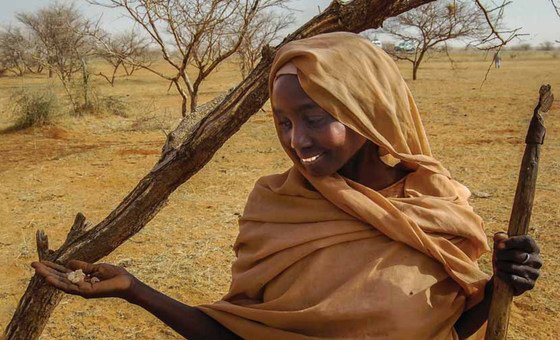
In an alert on Wednesday, the UN human rights office, OHCHR, highlighted how the country’s warring parties have looted gum arabic and redrawn trading routes so that they can use the proceeds to perpetuate the conflict. Tweet URL “Sudan’s vast wealth of natural resources should benefit its people. Distressingly, what we are seeing today is anything but that,” said OHCHR spokesperson Ravina Shamdasani. “This wealth is only serving to undermine human rights and drive conflict, bringing pain and suffering on an enormous scale.” Why this matters All warring parties profit from gum arabic sales Commodity trade linked to arbitrary detention and other abuses Used in food and drinks trade, pharmaceuticals and cosmetics Smuggling routes extend through Chad, South Sudan, Kenya, Libya and Egypt Across Sudan, gum arabic provides an important source of income and benefits for approximately five million people. It is harvested from the stems and branches of the acacia tree in areas heavily affected by the conflict, where serious violations of international humanitarian law and international human rights law have been documented. Sitting target Before war erupted in April 2023 following the collapse of Sudan’s transition to civilian rule, the country accounted for roughly 70 to 80 per cent of global crude gum arabic exports.
Annual exports of gum arabic were worth up to $183 million. This has made it a prized target for the paramilitary Rapid Support Forces (RSF) militia which are believed to have looted stocks from a major trading centre in El-Nuhud, West Kordofan, and redirected them west to Darfur and Chad, in May 2025. Today, Sudan continues to account for a “substantial share” of the global gum arabic supply, despite the conflict and the serious human rights risks flagged by OHCHR. “This war economy must be disrupted, and the international community must pay much closer attention to the commodities and trade routes that help keep it alive,” Ms. Shamdasani insisted. Danger zone © Adobe Stock/Elena Moiseeva According to a new OHCHR report, many Sudanese people who depend on or are linked to the gum arabic trade have faced “threats, arbitrary detention, looting and extortion” from the warring parties and their allies. Traders using corridors that run through Rapid Support Forces-held parts of Darfur and Kordofan in west and central Sudan have faced confiscation, informal taxation and insecurity. Along the more secure northern and eastern routes towards Port Sudan and Northern state, merchants face numerous checkpoints, “formal and informal charges and some cross-border smuggling”, the report notes.
 The BriefWire