Balochistan 'Declares Independence' From Pakistan: What It Means And Why China Is Watching Closely
Balochistan 'Declares Independence' From Pakistan: What It Means And Why China Is Watching Closely Written By, Last Updated: July 15, 2026, 18:45 IST Balochistan's latest
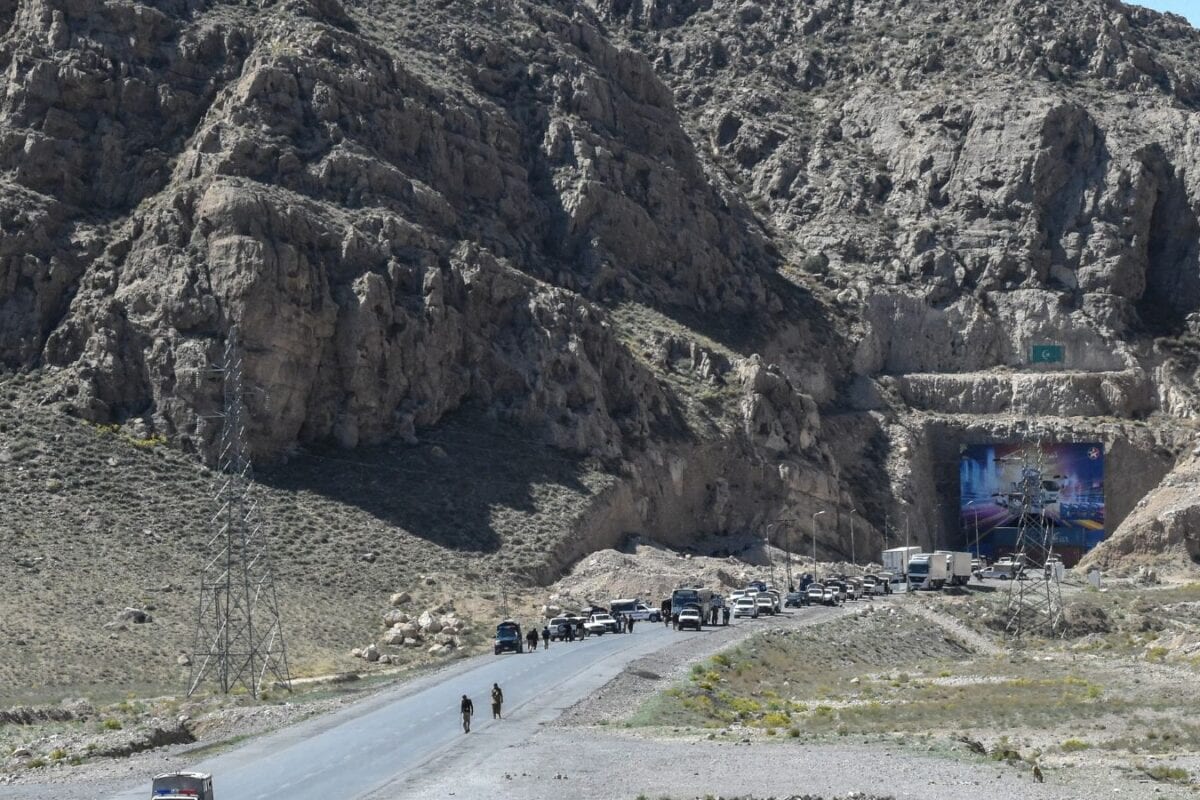
Balochistan 'Declares Independence' From Pakistan: What It Means And Why China Is Watching Closely Written By, Last Updated: July 15, 2026, 18:45 IST Balochistan's latest independence push has put the spotlight on China's billions of dollars in CPEC projects, including Gwadar Port and major mining ventures. Balochistan is Pakistan's largest province by area, covering nearly 44% of the country's landmass. Despite its size, it remains one of Pakistan's least populated and least developed regions. (Photo: AFP File) A viral letter purportedly issued in the name of the “Republic of Balochistan" has reignited global attention on Pakistan’s restive southwestern province. The document claims that Baloch separatists have declared independence from Pakistan and now control a large part of the territory. While there is no independent verification of these claims, the development has once again put Balochistan at the centre of a geopolitical debate involving not just Islamabad but also China. The reason is simple: Balochistan is home to some of Beijing’s most important overseas investments. Why Does Balochistan Matter For Pakistan? Balochistan is Pakistan’s largest province by area, covering nearly 44% of the country’s landmass. Despite its size, it remains one of Pakistan’s least populated and least developed regions. The province is rich in natural resources, including copper, gold, natural gas, coal and rare minerals. Its strategic location along the Arabian Sea makes it a crucial gateway linking South Asia, the Middle East, and Central Asia.
For decades, Baloch nationalist groups have accused Pakistan’s central government of exploiting the province’s resources while neglecting local communities. This has fuelled a long-running separatist insurgency. Why Is China So Invested In Balochistan? China’s interest in Balochistan is tied directly to the China-Pakistan Economic Corridor (CPEC), one of the flagship projects under Beijing’s ambitious Belt and Road Initiative (BRI). The CPEC, valued at more than $65 billion, aims to connect western China to the Arabian Sea through a network of highways, railways, energy projects, and ports. At the heart of this strategy lies Balochistan. For Beijing, the province offers a direct route to global shipping lanes and reduces dependence on the Malacca Strait, one of the world’s busiest and most vulnerable maritime chokepoints. Gwadar Port: The Crown Jewel Of China’s Plans The most important Chinese investment in Balochistan is Gwadar Port. Located on the Arabian Sea coast, the deep-sea port is operated by Chinese interests and is viewed as the centrepiece of CPEC. China has invested heavily in transforming Gwadar into a major commercial and logistics hub. Key projects include: The Eastbay Expressway, New road networks,, Energy infrastructure, The New Gwadar International Airport. Beijing hopes Gwadar will eventually become a major gateway connecting Chinese goods to markets in the Middle East, Africa, and Europe. Beyond Ports: China’s Mining Interests China’s investments extend beyond infrastructure. Balochistan is home to vast mineral reserves, making it attractive to Chinese mining companies.
 The BriefWire