The 10 dark days of Evian
In July 1938, an international conference was held in Evian, France, to decide the fate of Jews from Germany and Austria. Almost no one in
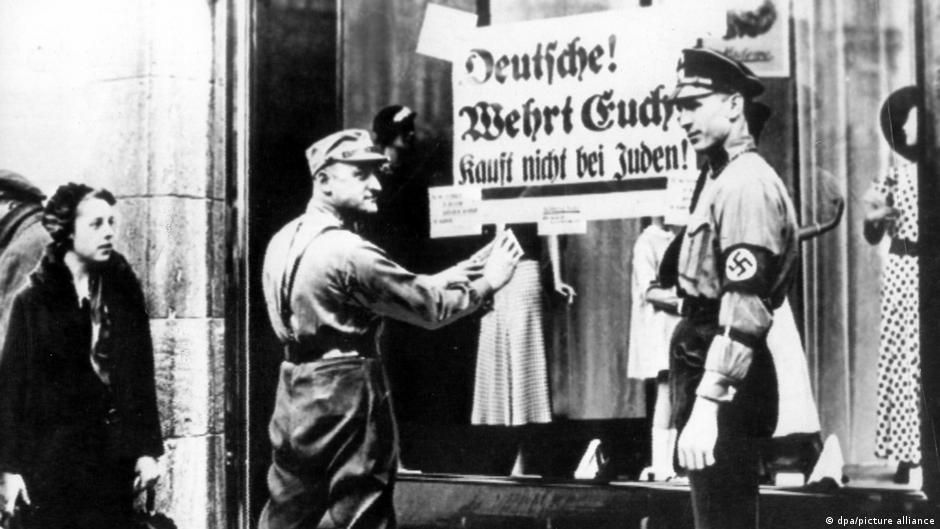
In July 1938, an international conference was held in Evian, France, to decide the fate of Jews from Germany and Austria. Almost no one in the world was willing to take them in. From July 6 to 15, 1938, representatives from 32 countries and dozens of humanitarian organizations gathered for a conference in the upscale spa town of Evian on the French side of Lake Geneva. Their goal: to find a way out for approximately half a million Jews from the Third Reich. This was five and a half years after Adolf Hitler's rise to power in Germany and three and a half months after the annexation of Austria. The Nazi regime had not yet begun the systematic process of mass murder — but the situation for Jews had been steadily deteriorating since 1935. After the annexation of 1938, Jews were forced to clean the streets of Vienna on their knees Image: World History Archive/IMAGO The racist Nuremberg Laws, which stripped Jews of their German citizenship, were internationally known — as was the fact that Jews had been excluded from schools, universities, and public life, as well as the fact that Jews who wanted to leave the now "Greater Germany" had to leave their property behind. As early as 1933, shortly after the Nazis seized power, the League of Nations — the precursor to the United Nations — appointed the American James McDonald as High Commissioner for Refugees from Germany. He resigned in 1935, despairing at the unwillingness of the world's governments to take the problem seriously. Emigration only after plunder As early as 1933, shortly after the Nazis seized power, the League of Nations — the precursor to the United Nations — appointed the American James McDonald as High Commissioner for Refugees from Germany. He resigned in 1935, despairing at the unwillingness of the world's governments to take the problem seriously. Initially, under Adolf Hitler, Berlin actively encouraged Jews to leave the country — at the time of the Evian Conference, approximately 200,000 had left Germany.
However, the Nazis imposed increasingly stringent financial and administrative restrictions: Jewish people had almost all of their property, real estate, and savings confiscated before they left the country — and they had to present a visa or travel ticket to leave. Jews trying to emigrate wait in front of a travel agency in Berlin in 1939 Image: akg-images/picture alliance The Nazis' goal was clear: Jews should leave Germany completely destitute. This was not only because the regime profited from the plunder of Jewish property, but also because poor emigrants would be a greater burden for the receiving country, which was intended to further fuel resentment towards the refugees. Roosevelt's initiative The Evian initiative came from US President Franklin D. Roosevelt. His goal was to combine refugees from Germany and Austria into a legal, controlled flow of emigration — and to encourage participating countries to accept refugees according to their population size. No country would be obligated to change its immigration quotas, and no government funds would be spent on financing refugees. Postcard depicting the Royal Hotel in Evian, where the conference was held in July 1938 Image: Arkivi/akpool GmbH/picture alliance But even before the delegates arrived at the luxurious hotel, Washington and London had already reached an agreement: the US had promised not to mention the British Mandate of Palestine as a possible place of refuge. And the United Kingdom, in return, promised not to address unused US immigration quotas. Sympathy and excuses The meeting was attended not by heads of state, but by lower-ranking diplomats. One after another, the representatives of the countries rose to express their deep sympathy — followed by excuses as to why they could not help. The Western European democracies justified themselves by citing high unemployment and the economic crisis, claiming they had no need for professors, artists, doctors or tradespeople. US delegate, Myron C. Taylor, seen here addressing the Evian Conference on July 7, 1938 Image: United Archives International/IMAGO Canada declared that it was only prepared to accept experienced farmers with their own capital.
 The BriefWire