Childhood vaccination rate increases slightly, but millions remain unprotected
The annual WHO-UNICEF Estimates of Immunization Coverage reveal 90 per cent of infants worldwide received at least one dose of the diphtheria, tetanus and pertussis
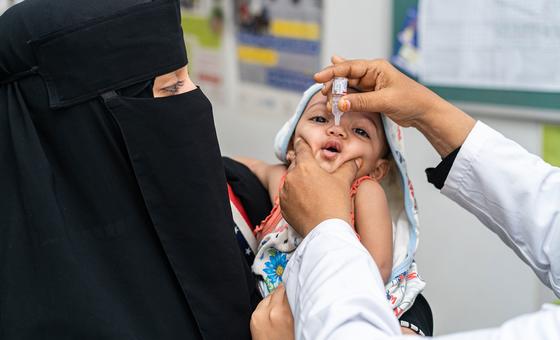
The annual WHO-UNICEF Estimates of Immunization Coverage reveal 90 per cent of infants worldwide received at least one dose of the diphtheria, tetanus and pertussis (DTP) vaccine last year, while 85 per cent completed the recommended three-dose series. Although both figures increased by one percentage point from 2024, global vaccination coverage remains below pre-pandemic levels. Missing lifesaving vaccines An estimated 13.5 million children received no vaccines at all during their first year of life in 2025. While that marks a decline of nearly 750,000 "zero-dose" children compared with the previous year, millions remain beyond the reach of health services. At the same time, more children are beginning vaccination schedules but failing to complete them, increasing the risk of disease outbreaks.
“Governments and health workers have helped global vaccination rates bounce back after dropping significantly during the COVID-19 pandemic,” said UNICEF Executive Director Catherine Russell. “But millions of vulnerable children are still being left unprotected due to conflict, displacement and poverty. We must reach every child, and we must rebuild trust where it is fraying.” © UNICEF Measles outbreaks continue The report highlights growing concern over measles, one of the world's most contagious diseases. Globally, 84 per cent of children received their first measles vaccine dose in 2025 and 77 per cent received the second, well below the 95 per cent coverage needed to prevent outbreaks. As a result, 57 countries reported major or disruptive measles outbreaks last year.
Conflict and hesitancy widen gaps More than half of all zero-dose children live in fragile or conflict-affected countries, where immunization programmes are often disrupted by insecurity, political instability and underfunding. Syria saw sharp declines in vaccination coverage during 2025, while Sudan recorded one of the world's largest improvements, demonstrating that immunization rates can recover even in conflict settings when access to health services expands. WHO also warned that vaccination rates are slipping in some middle- and high-income countries despite vaccines being readily available, citing vaccine hesitancy, weakening political commitment and other structural challenges. Funding concerns WHO Director-General Tedros called vaccines one of the most effective and equitable public health interventions.
 The BriefWire