Germany news: Coalition has 'found its footing,' Merz says
Skip next section Merz touts reforms, says 'coalition has found its footing' 07/15/2026 July 15, 2026 Merz touts reforms, says 'coalition has found its footing'
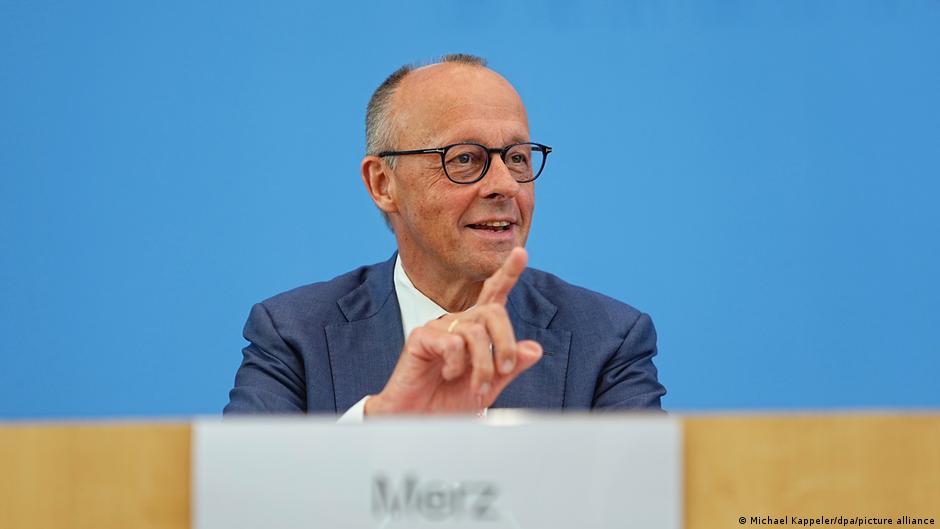
Skip next section Merz touts reforms, says 'coalition has found its footing' 07/15/2026 July 15, 2026 Merz touts reforms, says 'coalition has found its footing' German Chancellor Friedrich Merz, during a summer press conference, touted reforms achieved by his government and said more are to come. Merz belongs to the conservative Christian Democratic Union, which is in a federal governing coalition with the CDU's Bavarian sister party the Christian Social Union and the center-left Social Democrats. Merz's coalition recently pushed through reforms on healthcare and a legislative package in regards to tax relief, sick leave and pensions.
"The coalition has found its footing," the German chancellor said. Merz said reform of nursing care insurance would be set into motion later this year and he also expects a legislative proposal in regards to the reform of the Working Hours Act. The Working Hours Act (Arbeitszeitsgesetz) is a law which regulates the maximum duration of permissible working hours, with the law also setting rules for breaks and rest periods. The government will also continue its efforts to eliminate burdensome bureaucracy, Merz emphasized. Germany's coalition government, which came into office in May 2025, has been often struggled with infighting on contentious issues such as pensions.
Public dissatisfied with Merz as regional elections loom The summer press conference comes as German lawmakers head for recess. What are the German government's pension, labor reforms? To view this video please enable JavaScript, and consider upgrading to a web browser that supports HTML5 video Merz took questions as a poll from broadcasters RTL/ntv finds that only 14% of Germans are satisfied with his work. The media briefing also comes ahead of regional elections in the three states: Mecklenburg-Pomerania, Saxony-Anhalt and Berlin. The far-right AfD is expected to make historic gains in the Mecklenburg-Western Pomerania and Saxony-Anhalt and may soon find itself controlling a German state government for the first time.
Merz said he was "optimistic" that the AfD would not garner a majority in the upcoming regional elections. Merz also emphasized that his CDU would not work with the AfD or the socialist Left Party.
 The BriefWire