From Falkland Feud To 'Hand Of God': Why England Vs Argentina World Cup 2026 Semifinal Is History In Extra Time
From Falkland Feud To 'Hand Of God': Why England Vs Argentina World Cup 2026 Semifinal Is History In Extra Time Written By, Last Updated: July
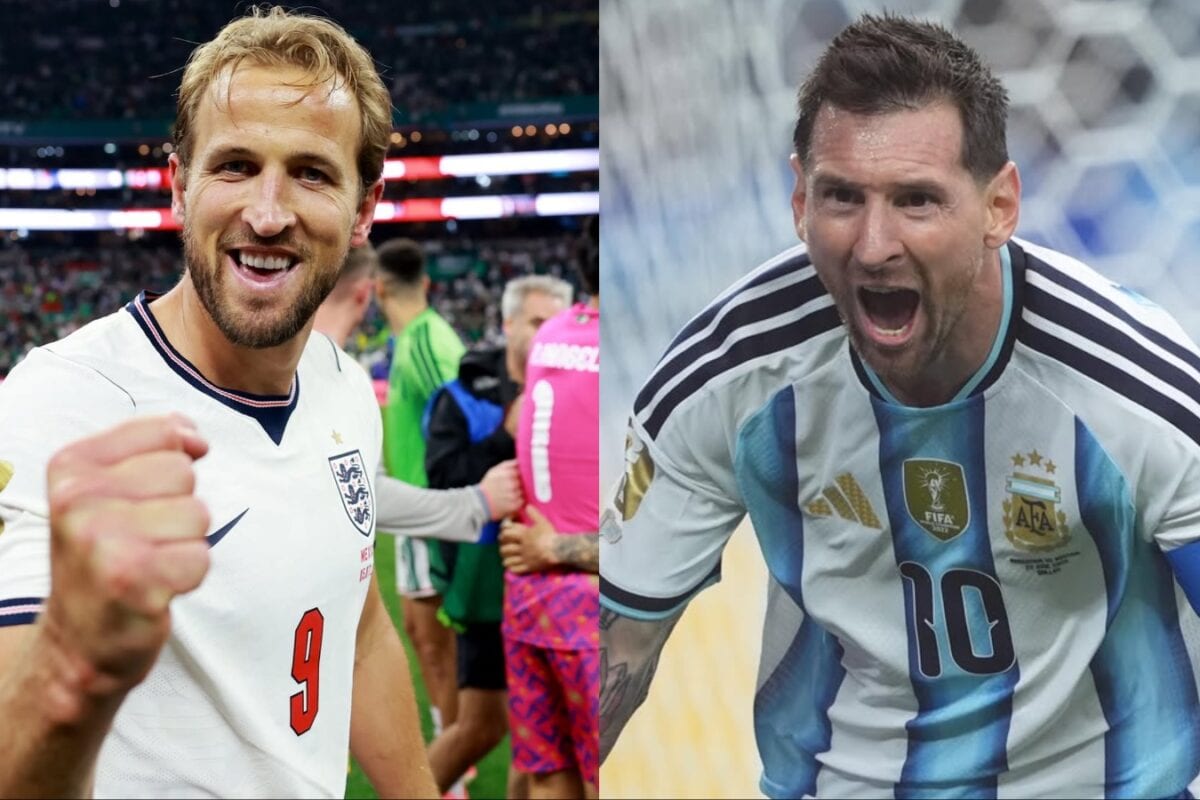
From Falkland Feud To 'Hand Of God': Why England Vs Argentina World Cup 2026 Semifinal Is History In Extra Time Written By, Last Updated: July 15, 2026, 17:43 IST Harry Kane's England will face Lionel Messi-led Argentina in the World Cup football semifinal at Atlanta Stadium on Wednesday at 3 pm local time (00:30 IST the next day) Both squads enter this semifinal with immensely talented generations and distinct footballing identities. (Image: Instagram) One of international football’s most emotionally charged and historically complex rivalries is set to write its latest chapter in the United States. England will face Argentina in a highly anticipated World Cup semifinal at Atlanta Stadium on Wednesday. Far more than a battle for a spot in the final, this match carries the weight of a profound geopolitical and sporting history that has simmered for over forty years. The fixture, scheduled for Wednesday at 3:00 pm local time (00:30 IST the next day), brings together two footballing giants whose animosity extends far beyond the boundaries of the pitch. With a place in the showpiece final on the line, the atmosphere in Georgia is expected to be electric as these old foes square off once again. A Geopolitical Shadow: The 1982 Falklands War The roots of this fierce rivalry are inextricably linked to the 1982 conflict over the Falkland Islands—referred to as Las Malvinas by the Argentine people. The dispute over the remote South Atlantic archipelago dates back to the 18th century but escalated dramatically on April 2, 1982, when Argentina’s ruling military junta, led by General Leopoldo Galtieri, launched an amphibious invasion to reclaim what they viewed as stolen national territory.
The invasion caught London by surprise. Prime Minister Margaret Thatcher quickly assembled a massive naval task force to sail 8,000 miles south and retake the islands. What followed was a brutal 74-day undeclared war fought in freezing conditions across rugged terrain and treacherous seas. Human Toll: The war claimed the lives of 649 Argentine military personnel, 255 British servicemen, and three island civilians. Key Flashpoints: Devastating losses defined the conflict, including the controversial sinking of the Argentine cruiser ARA General Belgrano by a British nuclear submarine, which cost 323 lives, and the destruction of the British destroyer HMS Sheffield by an Argentine Exocet missile. Political Aftershocks: The British victory on 14 June 1982 rejuvenated Thatcher’s political fortunes, whilst the humiliating defeat in Argentina directly triggered the collapse of the military dictatorship and paved the way for the restoration of democracy in 1983. For Argentines, the loss remained a painful open wound. When the two teams met on the football pitch four years later at the 1986 World Cup in Mexico, the pitch became a symbolic battlefield. Diego Maradona’s infamous “Hand of God" goal, followed by his spectacular “Goal of the Century", was openly celebrated in Argentina as poetic justice. As Maradona later reflected, “It was as if we had beaten a country, not just a football team… it was revenge." A History Written in Red Cards and Drama Subsequent tournament meetings have only added fuel to the fire. Every World Cup encounter between England and Argentina seems to produce moments of high drama, controversial refereeing decisions, and iconic flashpoints 1966 Quarterfinal: England’s 1-0 victory at Wembley was marred by the controversial sending-off of Argentina captain Antonio Rattín, leading England manager Alf Ramsey to famously describe the Argentine players as “animals" and forbid his players from swapping shirts.
 The BriefWire