Why do eggs in supermarkets come only in white and brown shells?
Why only two types of eggs can be seen commonly in markets-Canva It’s all about colour in eggshell pigment Scientists have identified two main pigments
Why only two types of eggs can be seen commonly in markets-Canva It’s all about colour in eggshell pigment Scientists have identified two main pigments responsible for most eggshell colours-(Canva) Why Are Chicken Eggs Brown or White? White Leghorns produce white eggs. Rhode Island Reds are brown egg layers. Plymouth Rocks: light brown eggs. Marans are famous for their dark brown, chocolate coloured eggs. Araucanas and Ameraucanas lay naturally blue eggs. Olive Eggers lay green eggs because genes for blue shells mix with brown pigments. Nature is filled with eggs in different colours (Canva) Is brown egg better than white egg? Why don't chickens lay red or purple or black eggs? Egg colour is not determined by the colour of the feathers of a hen (Canva) Why are wild bird eggs so many different colours? Camouflage Sun protection More powerful rounds Helping parents find their eggs Many birds nest on the ground, and camouflaging is crucial (Canva) Some of the most colourful bird eggs in the world American Robin: It is one of the most famous eggs in the world due to its colour. The robin's spectacular sky-blue eggs owe their colour almost entirely to biliverdin. Emu: The eggs of an emu are a dark, emerald green, so dark they look black. The colour is due to a thick layer of biliverdin. Cassowary (bird): Cassowaries lay some of the world’s most colourful eggs. Their eggs are vivid green. Great Tinamou: This bird, native to Central and South America, lays glossy, lavender to purple-looking eggs that look like porcelain shine. They look purple but the colour is caused by light reflecting off them, not by purple pigment. Japanese Quail: ach one of their cream-coloured eggs is individually decorated with dramatic chocolate speckles, blotches and swirls. Common Guillemot (Uria aalge): The seabirds lay eggs of extraordinary colours from blue and green to turquoise and white, covered in bold black scribbles.
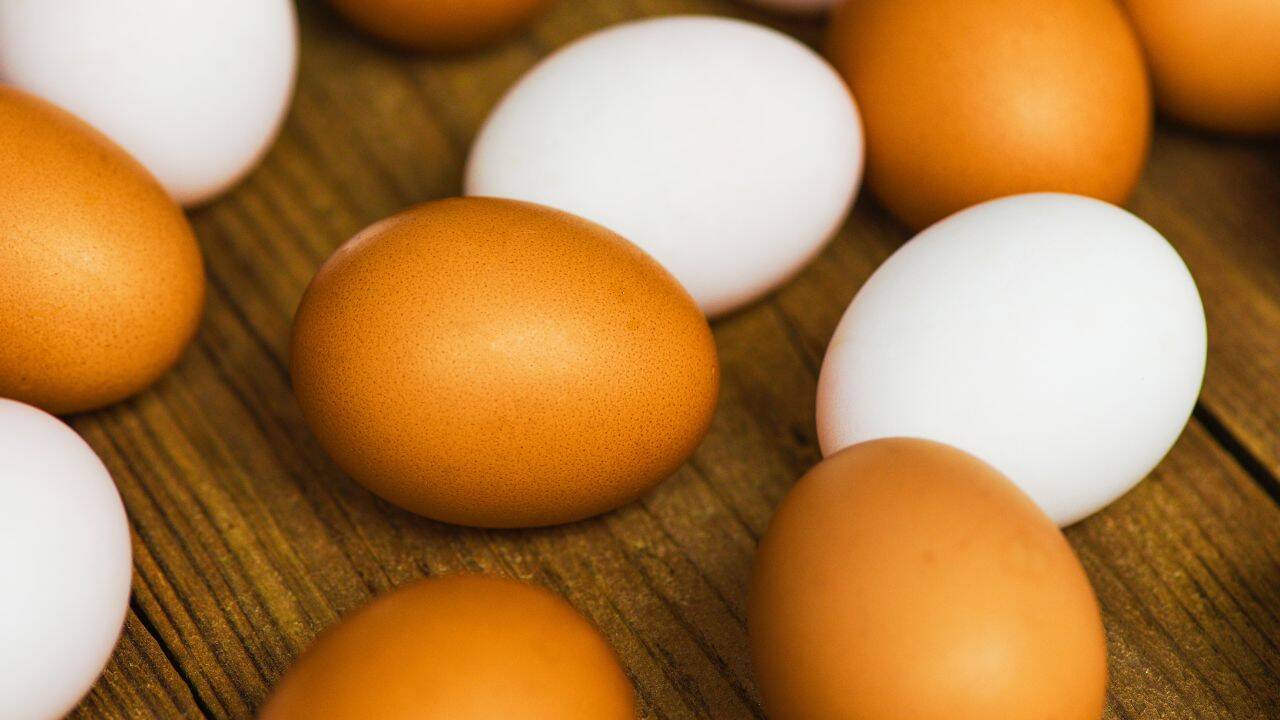
Each female lays eggs with very different patterns. Robin eggs are the most unique (Canva) Why do some eggs have brown spots? Does egg colour change? Some eggs are pigmented for a reason (Canva) The bottom line Brown versus white eggs is a debate that has been around for decades, with a lot of people believing that brown eggs are more healthy or more “natural.” In fact, the colour of an eggshell has little to do with what’s inside. But nature has a much more colourful story to tell. Chickens generally lay white or brown eggs but around the world birds produce eggs in astonishing shades of blue, turquoise, olive green, pink, cream, chocolate brown and even eggs spattered with elaborate speckles, streaks and blotches. Some are like polished gems and others like miniature works of art. So why are chicken eggs typically white or brown? And what accounts for the spectacular palette shown by the bird kingdom?The shell of an egg is primarily made of calcium carbonate. Calcium carbonate is naturally white, if left to its own devices. The colours don’t appear until pigments are deposited on the shell as it passes through the bird’s shell gland (also known as the uterus) in the last few hours before laying. Scientists have identified two main pigments responsible for most eggshell colours: Protoporphyrin I is responsible for chocolate, rust coloured and reddish brown eggs. Biliverdin IXα – blue and green egg colour. By using these pigments in varying amounts and at different times, a marvellous variation of shades and patterns can be obtained.Biggest factor is genetics, breed of chicken. For example:Interestingly, egg colour is not determined by the colour of the feathers of a hen. But farmers often look to another clue: earlobes. Generally (but not invariably)-White earlobes on chickens usually indicate white eggs and red earlobe chickens tend to be brown egg layers. There are exceptions so this is not a hard and fast rule.No. The colour of the shell has almost no effect on the nutritional value, according to many studies.
 The BriefWire