Dharmasthala mass burial: SIT files 7,000-page final report after year-long probe
The Special Investigation Team (SIT) probing the controversial Dharmasthala mass burial case in Karnataka submitted its final investigation report before the court on Tuesday, bringing
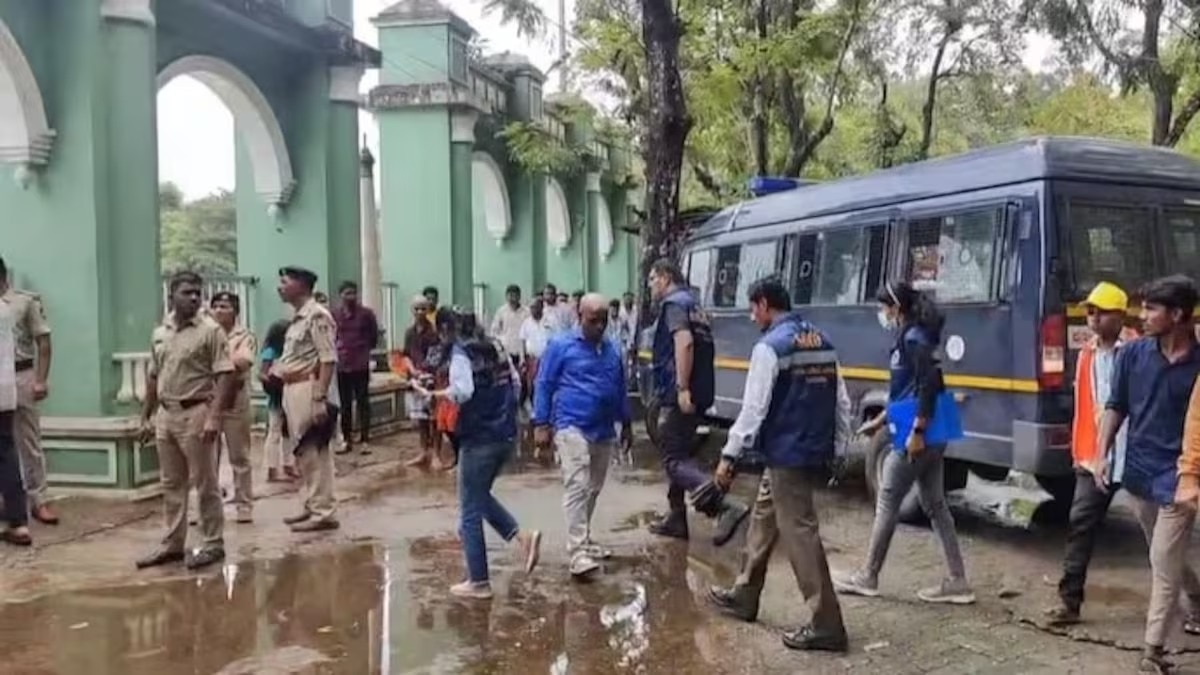
The Special Investigation Team (SIT) probing the controversial Dharmasthala mass burial case in Karnataka submitted its final investigation report before the court on Tuesday, bringing to a close a year-long probe into allegations that triggered widespread public attention. The report, running into nearly 7,000 pages, was filed by SIT along with all materials and evidence seized during the course of the probe before the court. Among the documents produced was the property register or asset register recovered during the probe, which formed part of the evidence collected by investigators. Read Full Story The final report was submitted exactly one year after the Karnataka government constituted the SIT to investigate allegations of mass burials, sexual assaults, murders and cover-ups in and around the temple town of Dharmasthala.
sanitation worker CN Chinnayya, popularly known as the "mask man" of Dharmasthala, and his wife were present along with SIT officers when the comprehensive report was submitted before the court. Chinnayya had emerged as the central whistleblower in the case initally and later claimed that that he was used as a pawn to fabricate a campaign. The case gained national attention after explosive allegations made by Chinnayya, who claimed he was forced to assist in the illegal mass burial of dozens of women and minors between 1995 and 2014. He had claimed that many of the victims were women and female students who appeared to have been sexually assaulted and murdered before being disposed of. The allegations prompted public outrage and calls for an independent investigation.
Following intervention by the Karnataka State Commission for Women, the Karnataka government constituted a 20-member SIT to probe decades of unexplained deaths, disappearances and allegations of sexual abuse in the region. As part of its investigation, the SIT identified 15 locations for excavation and recovered skeletal remains and soil samples. Forensic Science Laboratory examinations reportedly detected poisonous substances in skeletal remains recovered from at least two sites. The probe also expanded to include several old cases of unnatural deaths in the region after the Human Rights Commission took suo motu cognisance of the matter. However, the case later took a dramatic turn when Chinnayya's claims came under scrutiny during the SIT investigation. Authorities subsequently arrested him on allegations of perjury, claiming that investigators had found significant inconsistencies in his statements regarding the alleged mass graves.
 The BriefWire