'Sweeping Welcome': How BJP's 'Swachhata Se Swagat' Is Redefining PM Modi's State Visits
'Sweeping Welcome': How BJP's 'Swachhata Se Swagat' Is Redefining PM Modi's State Visits Published By, Last Updated: July 15, 2026, 16:44 IST This transition from
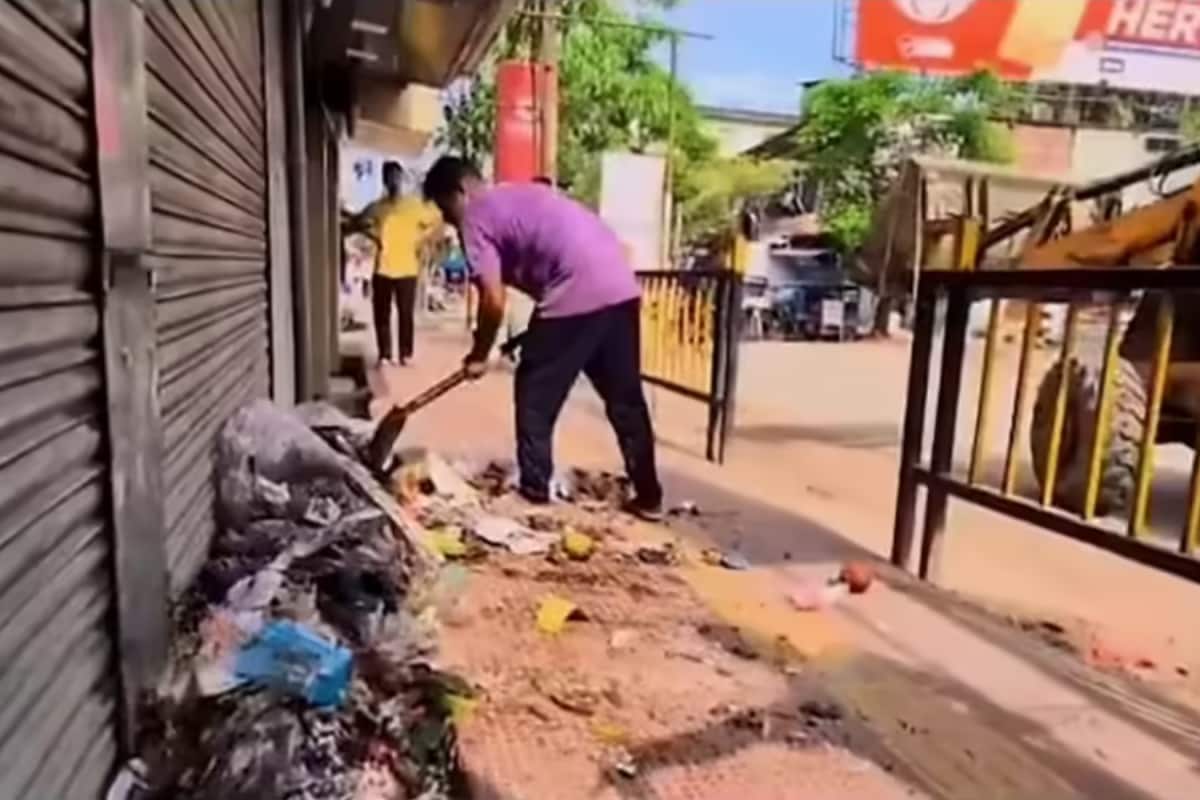
'Sweeping Welcome': How BJP's 'Swachhata Se Swagat' Is Redefining PM Modi's State Visits Published By, Last Updated: July 15, 2026, 16:44 IST This transition from ornamental greetings to environmental action has transitioned from an occasional gesture to a standardised protocol across many states The Swachhata Se Swagat campaign successfully institutionalises the core tenets of the national Swachh Bharat Mission (Clean India Mission). Representational image In a unique blend of civic responsibility and political reception, a new trend has firmly established itself ahead of Prime Minister Narendra Modi’s public events across India. Known as the “Swachhata Se Swagat" (Welcoming with Cleanliness) campaign, local administrations and ruling BJP units are increasingly bypassing traditional plastic-heavy decorations and banners in favour of large-scale, community-led cleanliness drives to welcome the Prime Minister. This transition from ornamental greetings to environmental action has transitioned from an occasional gesture to a standardised protocol across many states, showcasing a collective shift towards public hygiene and urban rejuvenation.
West Bengal Takes Lead The campaign gained significant momentum in West Bengal, where the state administration initiated a highly publicised si day intense cleanup ahead of the Prime Minister’s visit for International Yoga Day. Led by Chief Minister Suvendu Adhikari and local ministers, the campaign saw public representatives picking up brooms to clear major heritage ghats and public spaces in Kolkata. Citizen Mobilisation: The campaign actively integrates non-governmental organisations, local traders, and resident welfare associations to drive community ownership of public spaces. Rejuvenation of Local Resources: Beyond simple sweeping, the campaign has targeted complex civic works, such as the deep cleaning, desilting, and beautification of the historic Adi Ganga channel. Policy Integration: State authorities have utilised the momentum of the campaign to transition into permanent civic policies, including introducing digital monitoring systems and proposing strict penalties for public littering. Expanding Footprint: Gujarat, Rajasthan, and the North The civic welcome has similarly echoed across other regions during major prime ministerial itineraries.
In Gujarat and Rajasthan, local civic corporations have routinely coupled high-profile project launches with mass cleaning mobilisations at venues, transit stations, and spiritual landmarks. Recently, the initiative took deep root in Haryana and Punjab as well. In Haryana, Chief Minister Nayab Singh Saini personally spearheaded a comprehensive Swachhata Se Swagat Abhiyan. The statewide drive coupled welcoming arrangements for the Prime Minister with a rigorous plastic-free pledge administered directly to the public. Elevating the Swachh Bharat Vision The Swachhata Se Swagat campaign successfully institutionalises the core tenets of the national Swachh Bharat Abhiyan (Clean India Mission). Rather than treating a prime ministerial visit as a brief administrative event, regional administrations are leveraging these high-profile visits to establish long-term sanitation habits and elevate the visual appeal of their cities. By aligning civic hospitality with environmental stewardship, the initiative turns political welcomes into productive community developments. News18 Newsletter Handpicked stories, in your inbox A newsletter with the best of our journalism submit Key Questions Answered How does this campaign impact local communities?
 The BriefWire