Final hearings to begin in Goa's appeal against Tarun Tejpal's rape case acquittal
The Bombay High Court's Goa bench is set to begin hearing final arguments in the state government's challenge against the acquittal of journalist Tarun Tejpal
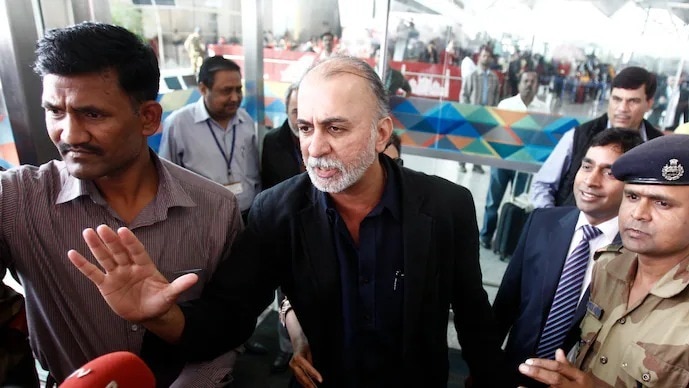
The Bombay High Court's Goa bench is set to begin hearing final arguments in the state government's challenge against the acquittal of journalist Tarun Tejpal in a 2013 rape case. Over the next three days, a division bench of Justices Dr Neela Gokhale and Amit S Jamdar will hear final arguments before deciding whether the acquittal returned by the trial court should stand or be set aside. Tarun Tejpal, who founded the investigative news magazine Tehelka, was accused of raping a colleague in 2013. Read Full Story In 2021, a Sessions Court in Mapusa acquitted Tejpal of all charges in a judgment that was criticised by some sections of the public for putting the complainant on trial, a charge that was levelled by the Goa government as well while it made its arguments in the appeal.
The government has argued that the trial court erred in its appreciation of evidence and testimony, while Tejpal has maintained that the acquittal was justified. Senior Advocate Aabad Ponda is slated to appear for Tejpal during the final hearing, while the state government is expected to be represented by Solicitor General of India, Tushar Mehta. THE 2013 SEXUAL ASSAULT CASE The case stems from allegations by a woman journalist, who accused Tejpal of sexually assaulting her inside the lift of a five-star hotel in Goa on during an event organised by Tehelka.
The allegations led to widespread public attention and criminal proceedings against the former editor, who has consistently denied the charges. The case went on to become one of India's most talked about workplace harassment episodes. The trial was conducted in-camera, meaning the proceedings and evidence were not open to the public, and the media was barred from reporting on the proceedings. During earlier hearings on the State’s appeal, the Goa government argued that the complainant was subjected to an intrusive cross-examination and that the trial court had wrongly assessed her testimony.
Appearing for the State, Solicitor General Tushar Mehta contended that the complainant remained consistent throughout the proceedings and described her as a credible witness whose account had withstood extensive questioning. The State has maintained that the acquittal warrants appellate interference. Ends
 The BriefWire